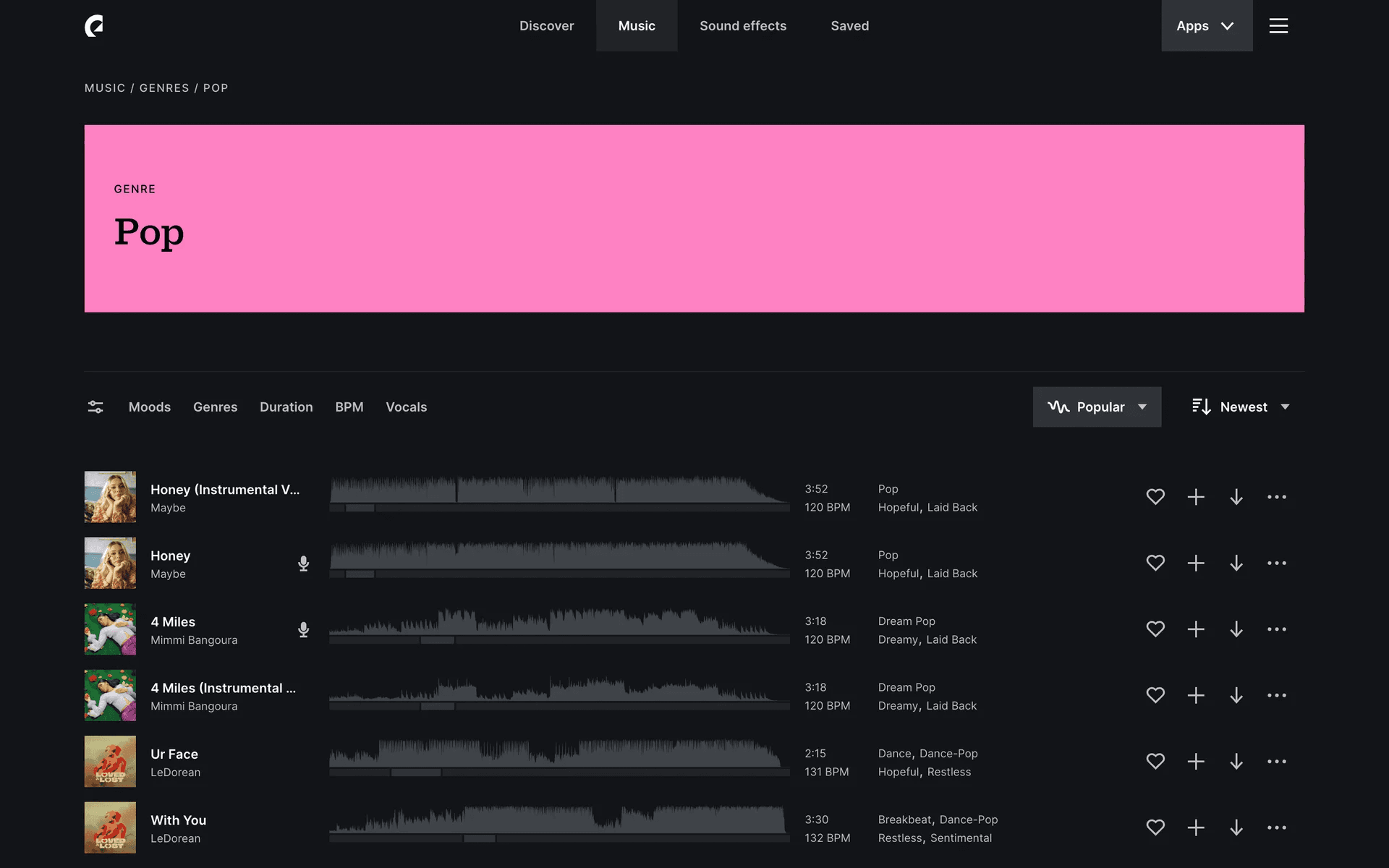
Persian Pink
Meet Persian Pink (#F77FBE), a saturated hue that commands attention. This color strikes a unique balance, sitting between the softness of pastel and the intensity of magenta, giving it a modern, digital-first feel that stands out in any palette or interface design.
Persian Pink Code Conversions
HEX
#F77FBE
LAB
69, 53, -12
RGB
247, 127, 190
XYZ
55.2, 38.7, 53.3
HSL
329°, 88%, 73%
LCH
69, 54, 347°
HSB
329°, 49%, 97%
LUV
69, 71, -27
HWB
329°, 50%, 3%
Persian Pink Color Harmonies
Analogous
Found side-by-side on the color wheel, analogous colors create a cohesive and tranquil palette when paired with Persian Pink.
Complementary
Complementary colors sit opposite each other on the color wheel. When paired with Persian Pink, they create a striking, high-contrast visual effect.
Split Complementary
A split complementary scheme for Persian Pink uses the two colors adjacent to its direct complement, offering a vibrant yet balanced palette.
Triadic
Triadic color schemes use three hues equally spaced on the color wheel. For Persian Pink, this creates a vibrant, high-contrast, and balanced palette.
Tetradic
A tetradic palette for Persian Pink is built from two pairs of complementary colors, creating a rich and balanced four-color combination for designs.
Square
A square color scheme uses four colors evenly spaced on the color wheel, creating a vibrant and high-contrast palette with Persian Pink.
Persian Pink Contrast Simulation
Persian Pink Color Variations
Shades
By adding black, you can create darker shades of Persian Pink for more visual weight.
Tints
Adding white to Persian Pink creates tints, which produce a softer, more delicate effect.
Tones
Tones of Persian Pink are created by adding gray, producing softer, more subdued variations.
Hues
Hues are variations of Persian Pink, differing in intensity and temperature to create distinct moods.
What Interfaces Use Colors Like Persian Pink?