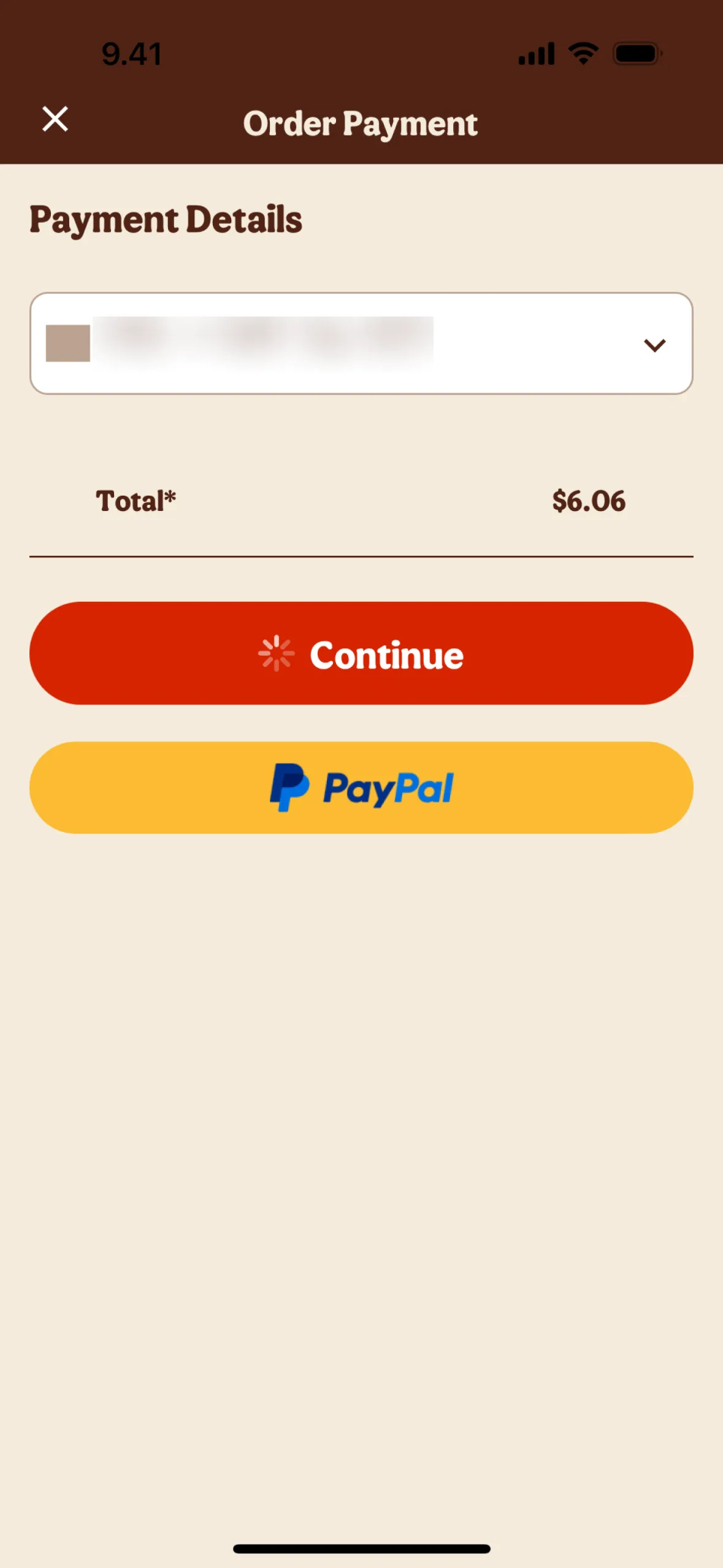
Vivid Red
Meet Vivid Red (#D62700), a powerful and saturated hue that immediately draws the eye. Its intensity is balanced by a subtle warmth, giving it a distinct character that stands apart from primary reds and makes it a compelling choice for any designer's palette.
Vivid Red Code Conversions
HEX
#D62700
LAB
47, 64, 60
RGB
214, 39, 0
XYZ
28.5, 15.8, 1.5
HSL
11°, 100%, 42%
LCH
47, 88, 43°
HSB
11°, 100%, 84%
LUV
47, 136, 35
HWB
11°, 0%, 16%
Vivid Red Color Harmonies
Analogous
Analogous colors are neighbors on the color wheel. For Vivid Red, these adjacent hues create a harmonious and visually soothing composition.
Complementary
To find Vivid Red's complement, look directly opposite it on the color wheel. This pairing creates a striking, high-contrast visual relationship.
Split Complementary
A split complementary scheme for Vivid Red uses the two colors adjacent to its direct complement, offering a vibrant yet balanced palette.
Triadic
A triadic harmony is built from three hues equidistant on the color wheel. Starting with Vivid Red, the result is a bold and balanced combination.
Tetradic
Tetradic schemes pair Vivid Red with three other colors, creating two complementary sets that form a rectangle on the color wheel.
Square
The square scheme pairs Vivid Red with three other colors, all equidistant on the color wheel, for a balanced yet highly contrasting effect.
Vivid Red Contrast Simulation
Vivid Red Color Variations
Shades
Shades are created by mixing black with Vivid Red, resulting in darker, weightier tones.
Tints
Tints of Vivid Red are made by adding white, creating lighter and softer tones.
Tones
Adding gray to Vivid Red creates tones, which are softer, more understated versions of the color.
Hues
Hues are variations of Vivid Red, differing in intensity or temperature to create distinct moods.
What Interfaces Use Colors Like Vivid Red?