United Nations Blue

Meet United Nations Blue (#5B92E5), a color defined by its remarkable clarity and balanced saturation. This striking mid-tone blue offers a clean, confident presence, making it a compelling choice for modern digital interfaces without feeling overwhelming. Its inherent brightness commands attention.

What color is United Nations Blue?

United Nations Blue is a distinct medium blue, sitting comfortably between a classic sky blue and a deeper cerulean.With its cool temperature and minimal undertones, the color presents a calm and balanced character, avoiding the intensity of more saturated blues.

What is the meaning of United Nations Blue?

United Nations Blue was chosen for the UN flag to represent peace and unity, deliberately contrasting with the traditional colors of war.Psychologically, the color #5B92E5 evokes feelings of calm, trust, and open communication, making it a symbol of hope and cooperation.

How do I use United Nations Blue (#5B92E5) in UI design?

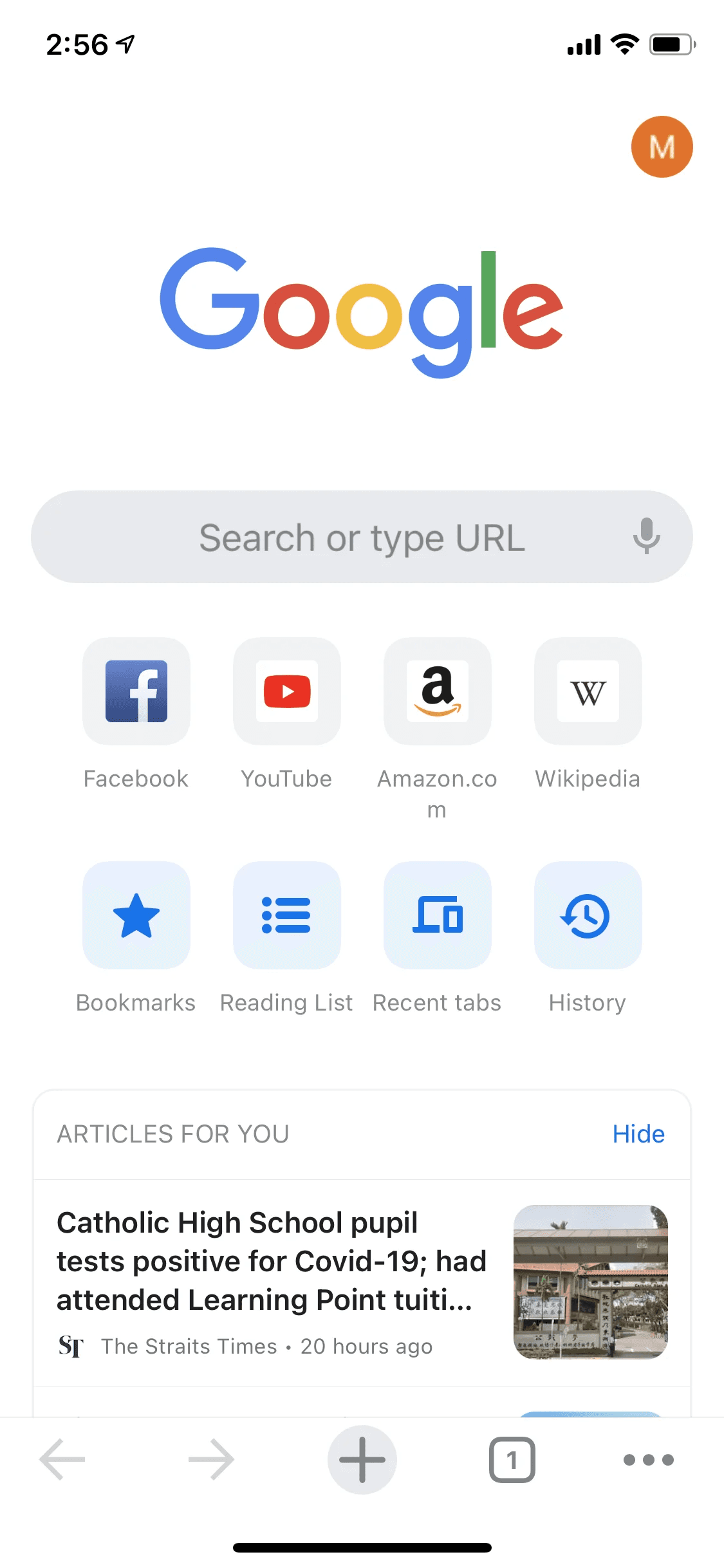
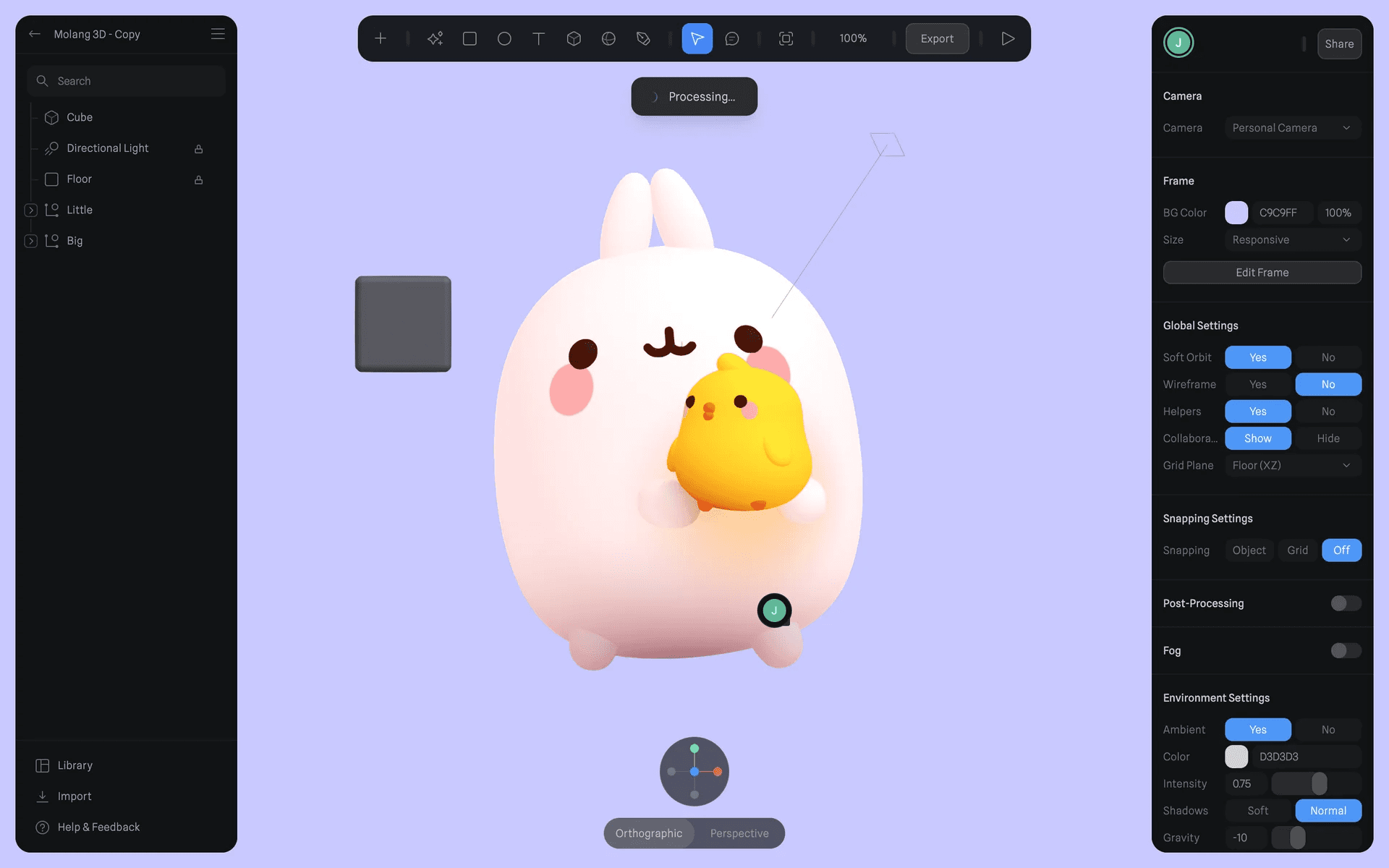
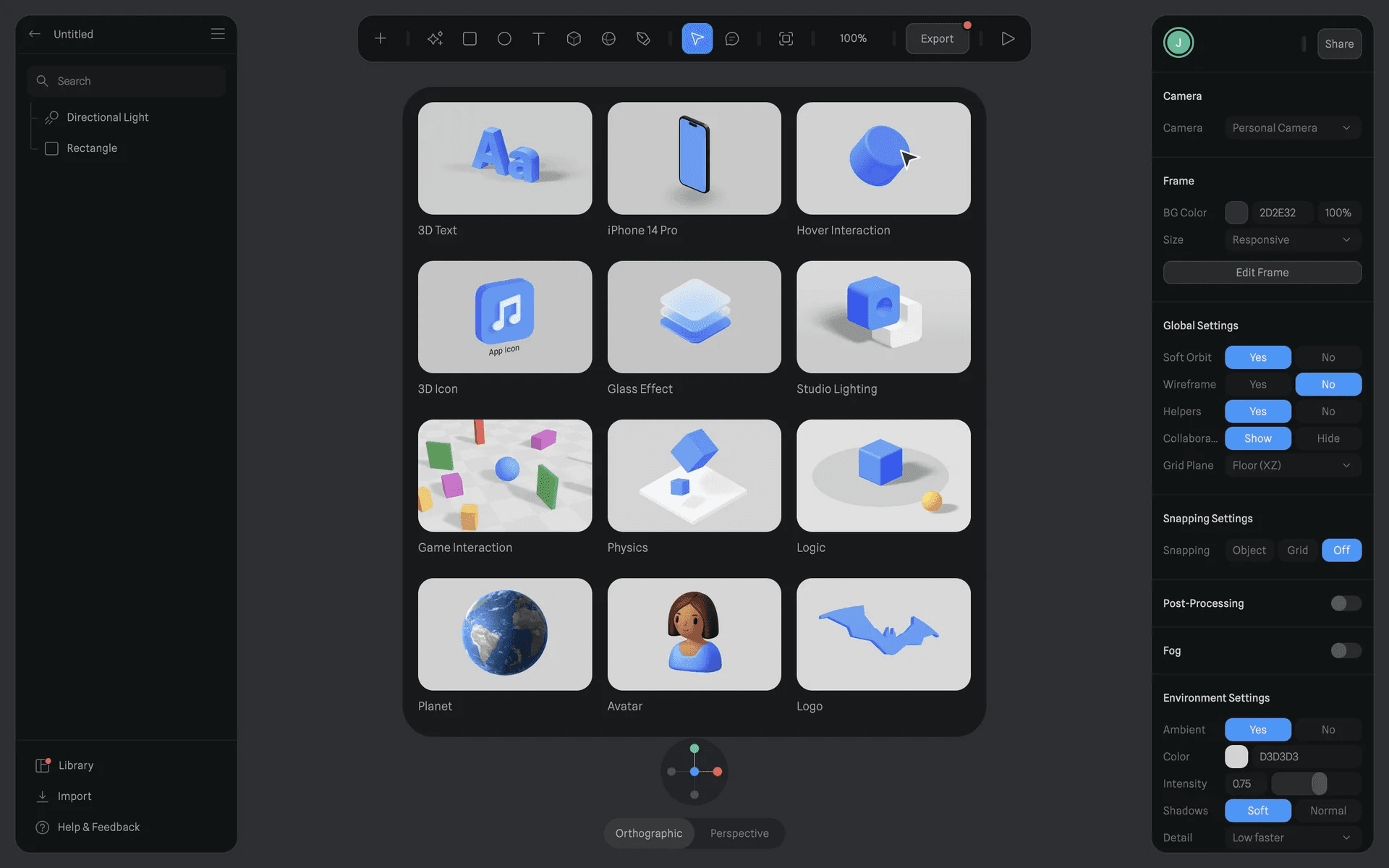
When working with United Nations Blue, consider its versatility. The #5B92E5 shade serves effectively as a primary color for branding or as a vibrant accent for calls-to-action and interactive states. For a classic, high-contrast interface, pair it with clean whites and dark grays. To create a more dynamic composition, consider an analogous palette with teals and softer blues, or introduce a pop of a complementary soft orange for key highlights.While not ubiquitous, shades similar to United Nations Blue are favored by several prominent technology companies. Brands like Google—across Chrome, Gmail, and Maps—as well as creative tools like Runway and Spline, use comparable blues to establish a sense of dependability and clarity in their interfaces. This demonstrates the color's strength in building a trustworthy digital presence.To see how #5B92E5 performs in practice, use the tools below. You can explore curated palettes, check contrast ratios for accessibility compliance, and preview United Nations Blue applied to real UI components from leading applications.

Using United Nations Blue color codes

Using United Nations Blue in your projects starts with its digital identifier, #5B92E5. While this hex code is perfect for web and screen-based design, you'll need to convert it for other applications, like print materials or specific digital adjustments.Each color model serves a distinct purpose. RGB (Red, Green, Blue) and its hexadecimal shorthand are standard for digital displays. For physical media, CMYK (Cyan, Magenta, Yellow, Key/Black) values are required to ensure accurate color reproduction in print. Other models like HSL (Hue, Saturation, Lightness) offer a more intuitive way to modify color properties during the design process.To make things simple, we've translated United Nations Blue’s #5B92E5 into a variety of common formats. You can find and copy the exact codes you need for your work right below.

United Nations Blue

#5B92E5

Access our full UI & UX library today.

What color is United Nations Blue?

United Nations Blue is a distinct medium blue, sitting comfortably between a classic sky blue and a deeper cerulean.With its cool temperature and minimal undertones, the color presents a calm and balanced character, avoiding the intensity of more saturated blues.

What is the meaning of United Nations Blue?

United Nations Blue was chosen for the UN flag to represent peace and unity, deliberately contrasting with the traditional colors of war.Psychologically, the color #5B92E5 evokes feelings of calm, trust, and open communication, making it a symbol of hope and cooperation.

How do I use United Nations Blue (#5B92E5) in UI design?

When working with United Nations Blue, consider its versatility. The #5B92E5 shade serves effectively as a primary color for branding or as a vibrant accent for calls-to-action and interactive states. For a classic, high-contrast interface, pair it with clean whites and dark grays. To create a more dynamic composition, consider an analogous palette with teals and softer blues, or introduce a pop of a complementary soft orange for key highlights.While not ubiquitous, shades similar to United Nations Blue are favored by several prominent technology companies. Brands like Google—across Chrome, Gmail, and Maps—as well as creative tools like Runway and Spline, use comparable blues to establish a sense of dependability and clarity in their interfaces. This demonstrates the color's strength in building a trustworthy digital presence.To see how #5B92E5 performs in practice, use the tools below. You can explore curated palettes, check contrast ratios for accessibility compliance, and preview United Nations Blue applied to real UI components from leading applications.

Using United Nations Blue color codes

Using United Nations Blue in your projects starts with its digital identifier, #5B92E5. While this hex code is perfect for web and screen-based design, you'll need to convert it for other applications, like print materials or specific digital adjustments.Each color model serves a distinct purpose. RGB (Red, Green, Blue) and its hexadecimal shorthand are standard for digital displays. For physical media, CMYK (Cyan, Magenta, Yellow, Key/Black) values are required to ensure accurate color reproduction in print. Other models like HSL (Hue, Saturation, Lightness) offer a more intuitive way to modify color properties during the design process.To make things simple, we've translated United Nations Blue’s #5B92E5 into a variety of common formats. You can find and copy the exact codes you need for your work right below.

United Nations Blue Code Conversions

HEX

#5B92E5

LAB

60, 7, -48

RGB

91, 146, 229

XYZ

28.7, 28.4, 78.1

HSL

216°, 73%, 63%

LCH

60, 48, 278°

HSB

216°, 60%, 90%

LUV

60, -24, -76

CMYK

60, 36, 0, 10

CMYK

60, 36, 0, 10

HWB

216°, 36%, 10%

United Nations Blue Color Harmonies

Analogous

Analogous colors sit next to each other on the color wheel. Paired with United Nations Blue, they produce a cohesive and serene palette.

#5BD7E5

#5B92E5

#695BE5

#5BD7E5

#5B92E5

#695BE5

Complementary

Complementary colors sit opposite each other on the color wheel. For United Nations Blue, its complement creates a striking, high-contrast visual pairing.

#5B92E5

#E5AE5B

#5B92E5

#E5AE5B

Split Complementary

The split complementary palette for United Nations Blue offers high contrast with less tension by using the two colors next to its direct complement.

#5B92E5

#E5695B

#D7E55B

#5B92E5

#E5695B

#D7E55B

Triadic

A triadic combination for United Nations Blue involves two other colors, all equidistant on the color wheel, resulting in a bold and balanced look.

#5B92E5

#E55B92

#92E55B

#5B92E5

#E55B92

#92E55B

Tetradic

A tetradic scheme for United Nations Blue uses two pairs of complementary colors, forming a rich, four-color palette with built-in contrast.

#5B92E5

#E55BD7

#E5AE5B

#5BE569

#5B92E5

#E55BD7

#E5AE5B

#5BE569

Square

A square color scheme pairs United Nations Blue with three other colors, all equidistant on the color wheel, creating a vibrant, high-contrast palette.

#5B92E5

#E55BD7

#E5AE5B

#5BE569

#5B92E5

#E55BD7

#E5AE5B

#5BE569

United Nations Blue Contrast Simulation

Text Color

#

Background Color

#

6.69

Good

Small Text
Pass
Large Text
Pass
Graphic Components
Pass

Your Catchy Large Text Goes Here

A high contrast makes anything easier to read, especially small text.

Text Color

#

Background Color

#

Your Catchy Large Text Goes Here

A high contrast makes anything easier to read, especially small text.

6.69

Good

Small Text
Pass
Large Text
Pass
Graphic Components
Pass

United Nations Blue Color Variations

Shades

Adding black to United Nations Blue creates darker shades, which introduce a sense of depth and weight.

#5B92E5

#4E7DC4

#4168A4

#345383

#273F62

#1A2A41

#0D1521

#000000

#5B92E5

#4E7DC4

#4168A4

#345383

#273F62

#1A2A41

#0D1521

#000000

Tints

Adding white to United Nations Blue creates tints, which produce softer and airier tones.

#5B92E5

#72A2E9

#8AB1EC

#A1C1F0

#B9D0F4

#D0E0F8

#E8EFFB

#FFFFFF

#5B92E5

#72A2E9

#8AB1EC

#A1C1F0

#B9D0F4

#D0E0F8

#E8EFFB

#FFFFFF

Tones

Tones of United Nations Blue are created by adding gray, resulting in softer, muted variations.

#5B92E5

#608FD7

#668DC8

#6B8ABA

#7088AB

#75859D

#7B838E

#808080

#5B92E5

#608FD7

#668DC8

#6B8ABA

#7088AB

#75859D

#7B838E

#808080

Hues

Hues are variations of United Nations Blue that alter its intensity and temperature.

#5B92E5

#8B5BE5

#E55BD7

#E55B70

#E5AE5B

#B5E55B

#5BE569

#5BE5D0

#5B92E5

#8B5BE5

#E55BD7

#E55B70

#E5AE5B

#B5E55B

#5BE569

#5BE5D0

What Interfaces Use Colors Like United Nations Blue?

Never run out of
inspiration again.

Use Mobbin for free as long as you like or get full access
with any of our paid plans.

  • Coinbase

  • Wise

  • Headspace

  • Airbnb

  • Uber

  • Nike

  • Pinterest

  • ChatGPT

  • Shopify

  • Loom

  • Creme

  • Mailchimp

  • Twitch

  • Spotify

  • Apple TV

  • Shop

  • Cosmos

  • Retro

  • Notion

  • Dropbox

Never run out of
inspiration again.

Use Mobbin for free as long as you like or get full access with any of our paid plans.

  • Coinbase

  • Wise

  • Headspace

  • Airbnb

  • Uber

  • Nike

  • Pinterest

  • ChatGPT

  • Shopify

  • Loom

  • Creme

  • Mailchimp

  • Twitch

  • Spotify

  • Apple TV

  • Shop

  • Cosmos

  • Retro

  • Notion

  • Dropbox

© Mobbin 2018-2026
© Mobbin 2018-2026
© Mobbin 2018-2026
© Mobbin 2018-2026
© Mobbin 2018-2026
© Mobbin 2018-2026