Tufts Blue
Meet Tufts Blue (#417DC1), a shade that commands attention without being overpowering. Its balanced saturation gives it a professional yet approachable quality, making it a versatile choice for modern digital interfaces. This confident blue feels both familiar and fresh.
Tufts Blue Code Conversions
HEX
#417DC1
LAB
51, 2, -41
RGB
65, 125, 193
XYZ
19.1, 19.6, 53.2
HSL
212°, 51%, 51%
LCH
51, 41, 273°
HSB
212°, 66%, 76%
LUV
51, -24, -63
HWB
212°, 25%, 24%
Tufts Blue Color Harmonies
Analogous
To find analogous colors for Tufts Blue, select its neighbors on the color wheel. This combination produces a harmonious and soothing palette.
Complementary
Complementary colors sit directly opposite each other on the color wheel. Paired with Tufts Blue, its complement creates a striking, high-contrast visual.
Split Complementary
A split complementary scheme for Tufts Blue uses the two colors adjacent to its direct complement, offering a vibrant yet balanced palette.
Triadic
A triadic scheme pairs Tufts Blue with two other colors equidistant on the color wheel, creating a high-contrast, yet harmonious, visual effect.
Tetradic
Using Tufts Blue as a base, a tetradic scheme adds three more colors to form two complementary pairs for a vibrant palette.
Square
A square color scheme pairs Tufts Blue with three other colors, all equidistant on the color wheel, creating a vibrant and high-contrast palette.
Tufts Blue Contrast Simulation
Tufts Blue Color Variations
Shades
By adding black to Tufts Blue, you create darker shades that add depth and weight.
Tints
Tints are lighter variations of Tufts Blue, created by adding white for a softer feel.
Tones
Adding gray to Tufts Blue creates tones, softening its saturation for a more subtle appearance.
Hues
Hues are variations of Tufts Blue, differing in intensity and temperature to create distinct moods.
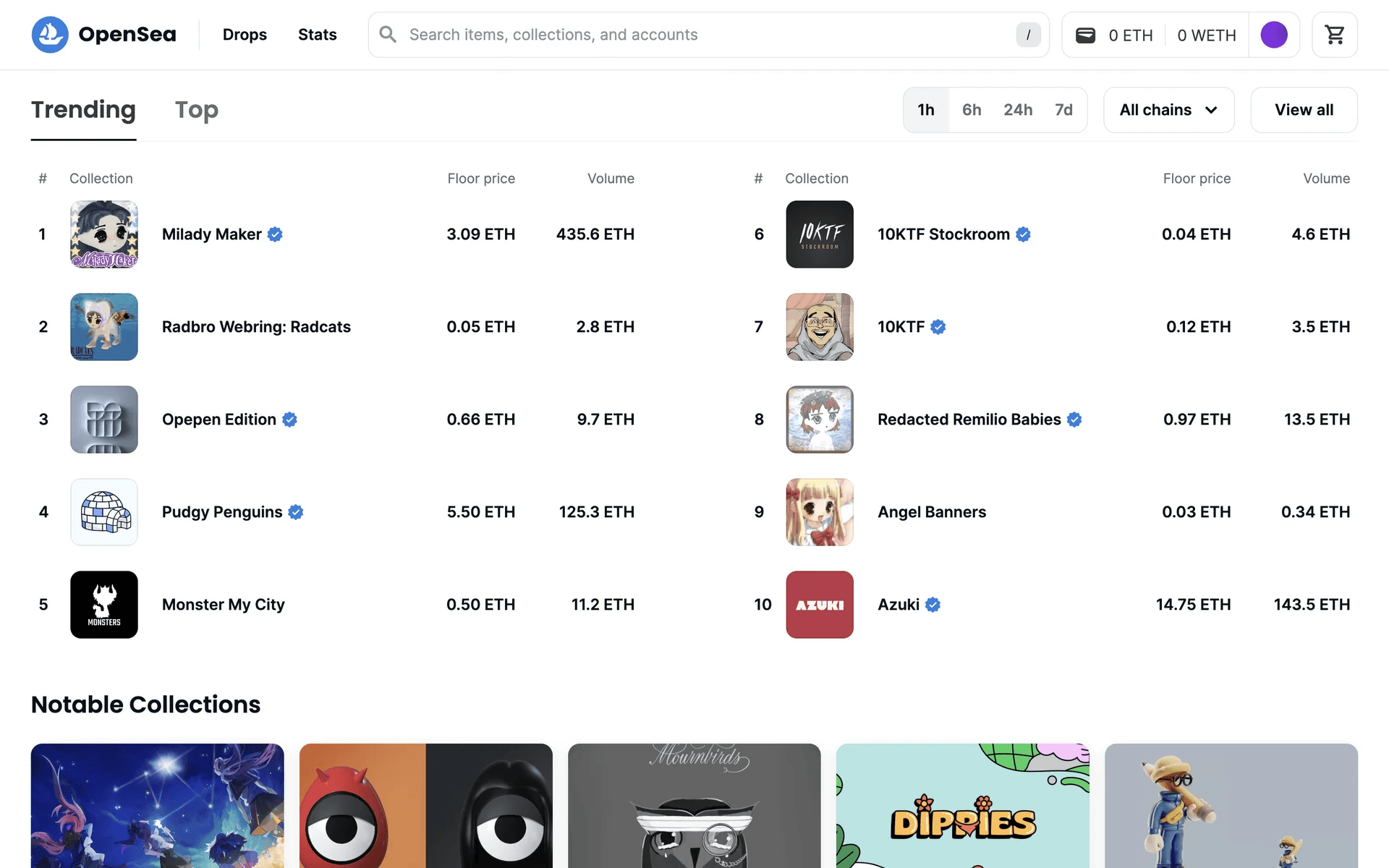
What Interfaces Use Colors Like Tufts Blue?