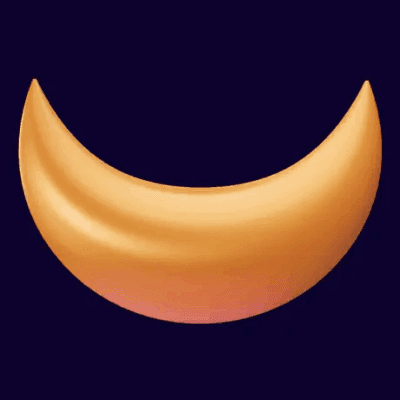
Sun Dial
Meet Sun Dial (#F6D698), a warm, golden hue that feels both familiar and fresh. Its striking quality lies in its gentle luminosity—a soft glow that captures the essence of a sun-kissed afternoon without overwhelming the eye.
Sun Dial Code Conversions
HEX
#F6D698
LAB
87, 3, 35
RGB
246, 214, 152
XYZ
67.7, 70.0, 39.6
HSL
40°, 84%, 78%
LCH
87, 35, 86°
HSB
40°, 38%, 96%
LUV
87, 24, 46
HWB
40°, 60%, 4%
Sun Dial Color Harmonies
Analogous
Analogous schemes use colors adjacent on the color wheel. With Sun Dial, this results in a pleasing, low-contrast palette that is calm and composed.
Complementary
Complementary colors are found on opposite sides of the color wheel. Pairing one with Sun Dial results in a vibrant, high-contrast visual combination.
Split Complementary
The split complementary palette uses Sun Dial and the two colors on either side of its opposite, creating high contrast with less tension.
Triadic
A triadic scheme uses three colors evenly spaced on the color wheel. When paired with Sun Dial, the result is a balanced yet colorful palette.
Tetradic
A tetradic scheme for Sun Dial is built from two pairs of complementary colors, creating a rich and balanced four-color combination.
Square
Square color schemes use four hues equidistant on the color wheel. With Sun Dial, this creates a balanced yet highly contrasting visual effect.
Sun Dial Contrast Simulation
Sun Dial Color Variations
Shades
Shades are darker versions of Sun Dial, made by adding black for depth and weight.
Tints
Tints are lighter versions of Sun Dial, created by adding white for a softer effect.
Tones
Tones of Sun Dial are created by adding gray, resulting in softer, less saturated versions.
Hues
Hues are variations of Sun Dial, sharing the same base color but differing in intensity or temperature.
What Interfaces Use Colors Like Sun Dial?