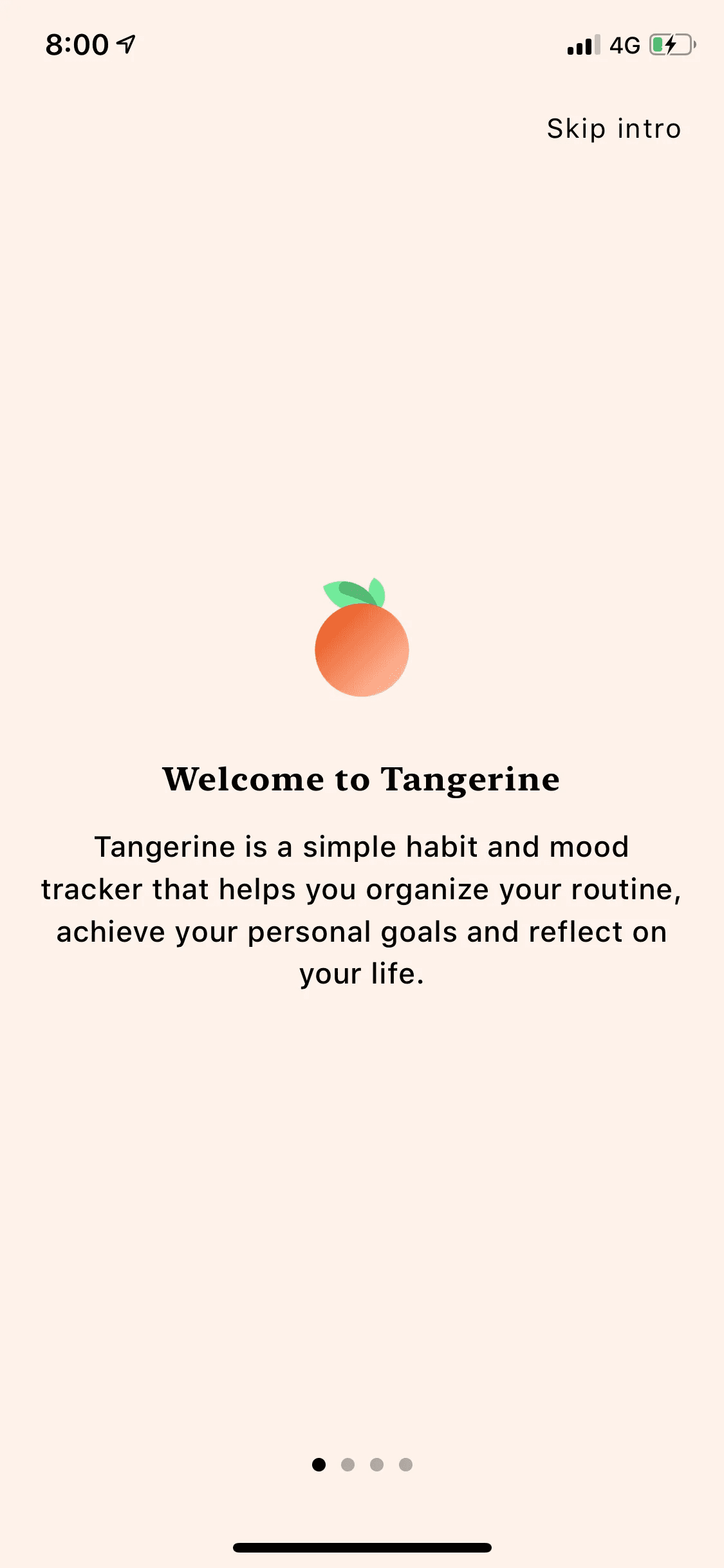
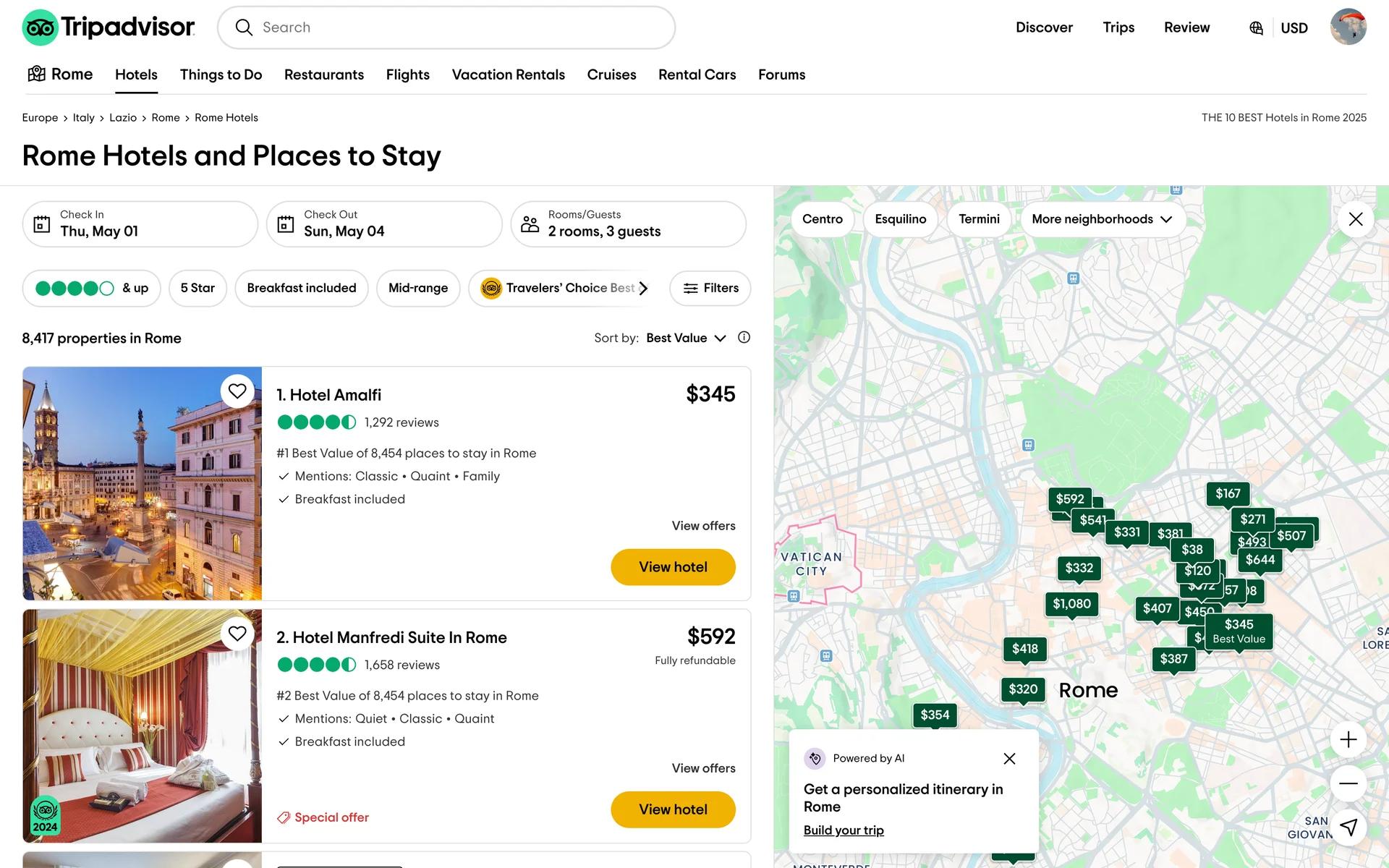
Seashell
Explore Seashell (#FFF5EE), a near-white shade with a distinct character. Its defining feature is a barely-there peach undertone, lending it a gentle warmth and depth that stark whites lack. This subtle complexity is the source of its unique visual appeal.
Seashell Code Conversions
HEX
#FFF5EE
LAB
97, 2, 5
RGB
255, 245, 238
XYZ
89.3, 92.7, 94.1
HSL
25°, 100%, 97%
LCH
97, 5, 65°
HSB
25°, 7%, 100%
LUV
97, 6, 7
HWB
25°, 93%, 0%
Seashell Color Harmonies
Analogous
By selecting colors adjacent to Seashell on the color wheel, you can build an analogous scheme that feels cohesive and exceptionally tranquil.
Complementary
Complementary colors sit on opposite ends of the color wheel. Paired with Seashell (#FFF5EE), these hues produce a dynamic and vivid palette.
Split Complementary
A split complementary scheme pairs Seashell with the two colors adjacent to its direct complement, creating a vibrant yet balanced palette with more design flexibility.
Triadic
Triadic color schemes use three hues equally spaced on the color wheel. With Seashell as a base, this creates a vibrant, high-contrast palette.
Tetradic
A tetradic scheme pairs Seashell with three other hues, forming two complementary pairs. These four colors create a rectangular shape on the color wheel.
Square
A square color scheme takes four colors evenly spaced on the color wheel. This arrangement produces a rich, high-contrast palette with Seashell as its foundation.
Seashell Contrast Simulation
Seashell Color Variations
Shades
Shades of Seashell are created by mixing in black, resulting in darker, weightier tones.
Tints
Adding white to Seashell creates tints, which are lighter variations that produce a softer effect.
Tones
Tones are muted versions of Seashell, created by adding gray to soften the saturation.
Hues
Seashell's hues are variations in temperature and intensity, affecting the overall feel of a design.
What Interfaces Use Colors Like Seashell?