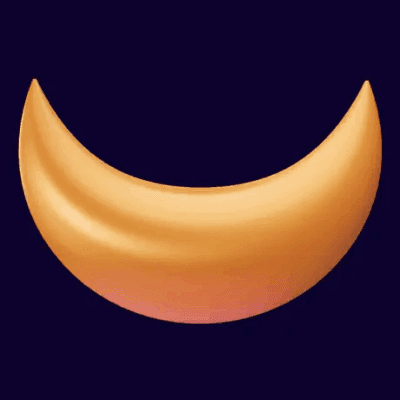
Sandy Orange
Meet Sandy Orange (#F79C4D), a luminous hue that captures attention without overwhelming the eye. Its unique character comes from a blend of bright energy and a gentle, sun-kissed quality, making it a compelling choice for modern palettes.
Sandy Orange Code Conversions
HEX
#F79C4D
LAB
72, 27, 54
RGB
247, 156, 77
XYZ
51.6, 44.1, 12.8
HSL
28°, 91%, 64%
LCH
72, 61, 63°
HSB
28°, 69%, 97%
LUV
72, 72, 56
HWB
28°, 30%, 3%
Sandy Orange Color Harmonies
Analogous
Analogous colors sit next to each other on the color wheel. With Sandy Orange, this combination produces a unified and tranquil visual experience.
Complementary
Complementary colors are opposites on the color wheel, creating a bold visual statement. Paired with Sandy Orange, its complement offers maximum contrast and pop.
Split Complementary
A split complementary scheme pairs Sandy Orange with the two colors adjacent to its direct complement, offering high contrast with less visual tension.
Triadic
Triadic schemes use three colors equally spaced on the color wheel. With Sandy Orange, this creates a vibrant, high-contrast, and balanced palette.
Tetradic
A tetradic palette for Sandy Orange involves four colors arranged in a rectangle on the color wheel, offering a vibrant combination of two complementary pairs.
Square
A square color scheme pairs Sandy Orange with three other colors, all spaced evenly on the color wheel for a vibrant, high-contrast effect.
Sandy Orange Contrast Simulation
Sandy Orange Color Variations
Shades
Adding black to Sandy Orange creates shades, bringing depth and gravity to your designs.
Tints
Tints of Sandy Orange are created by mixing in white, resulting in softer, lighter hues.
Tones
Tones of Sandy Orange are made by mixing in gray, which desaturates the original hue.
Hues
Hues are variations of Sandy Orange, differing in intensity or temperature to alter a design’s mood.
What Interfaces Use Colors Like Sandy Orange?