Prussian Blue
Meet Prussian Blue, #003153. This deep, commanding shade sits on the cusp of navy and cyan, offering a rich saturation that avoids the starkness of pure black. Its unique character provides a sophisticated foundation for any digital palette, creating visual interest without overwhelming the design.
Prussian Blue Code Conversions
HEX
#003153
LAB
19, 0, -25
RGB
0, 49, 83
XYZ
2.7, 2.8, 8.6
HSL
205°, 100%, 16%
LCH
19, 25, 269°
HSB
205°, 100%, 33%
LUV
19, -12, -27
HWB
205°, 0%, 67%
Prussian Blue Color Harmonies
Analogous
By pairing Prussian Blue with its neighbors on the color wheel, you create an analogous scheme. This combination produces a calm and cohesive visual effect.
Complementary
Complementary colors sit opposite each other on the color wheel. Paired with Prussian Blue, they create a striking, high-contrast visual effect.
Split Complementary
For Prussian Blue, a split complementary palette uses the two colors next to its direct opposite, offering high contrast with more sophisticated color harmony.
Triadic
Triadic palettes pair Prussian Blue with two other hues from equidistant points on the color wheel, resulting in a bold, balanced combination.
Tetradic
A tetradic color scheme for Prussian Blue uses two pairs of complementary colors, forming a rich, four-color palette for vibrant designs.
Square
A square color scheme uses four colors evenly spaced on the color wheel, creating a vibrant, high-contrast palette with Prussian Blue.
Prussian Blue Contrast Simulation
Prussian Blue Color Variations
Shades
Shades are darker versions of Prussian Blue, made by adding black for increased depth and weight.
Tints
Tints of Prussian Blue are made by adding white, resulting in lighter, softer hues.
Tones
Tones of Prussian Blue are created by adding gray, resulting in softer, more subdued variations.
Hues
Hues are variations of Prussian Blue, differing in intensity and temperature to create specific moods.
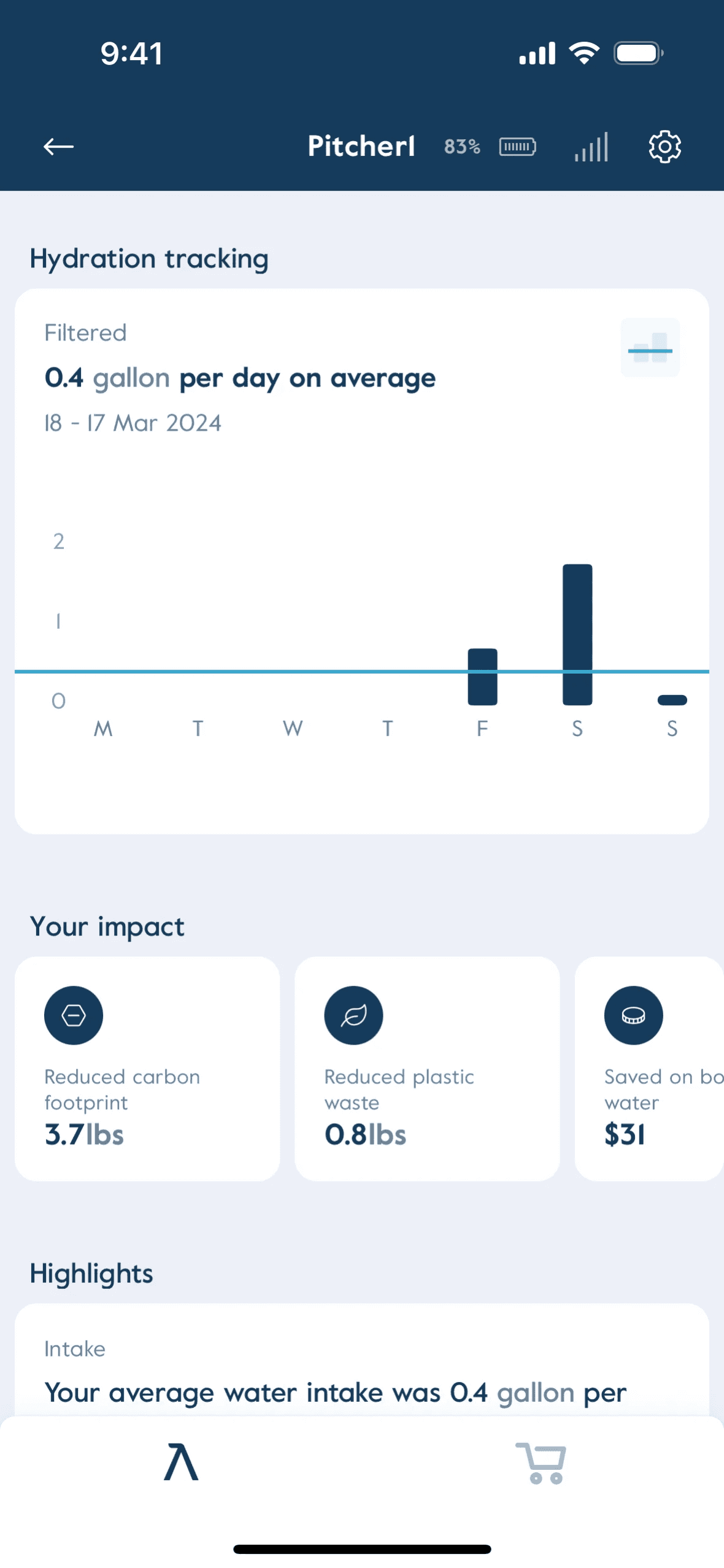
What Interfaces Use Colors Like Prussian Blue?