Pine-N
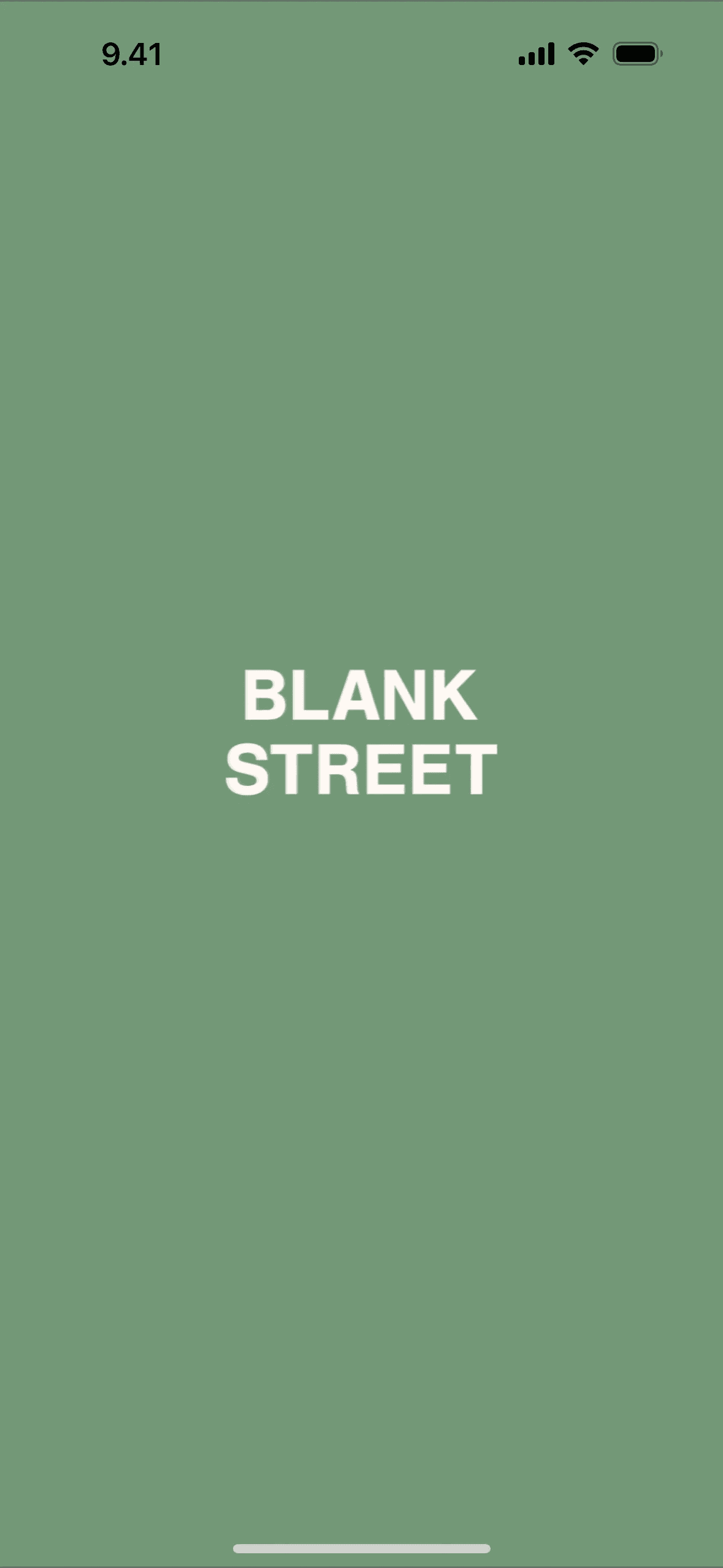
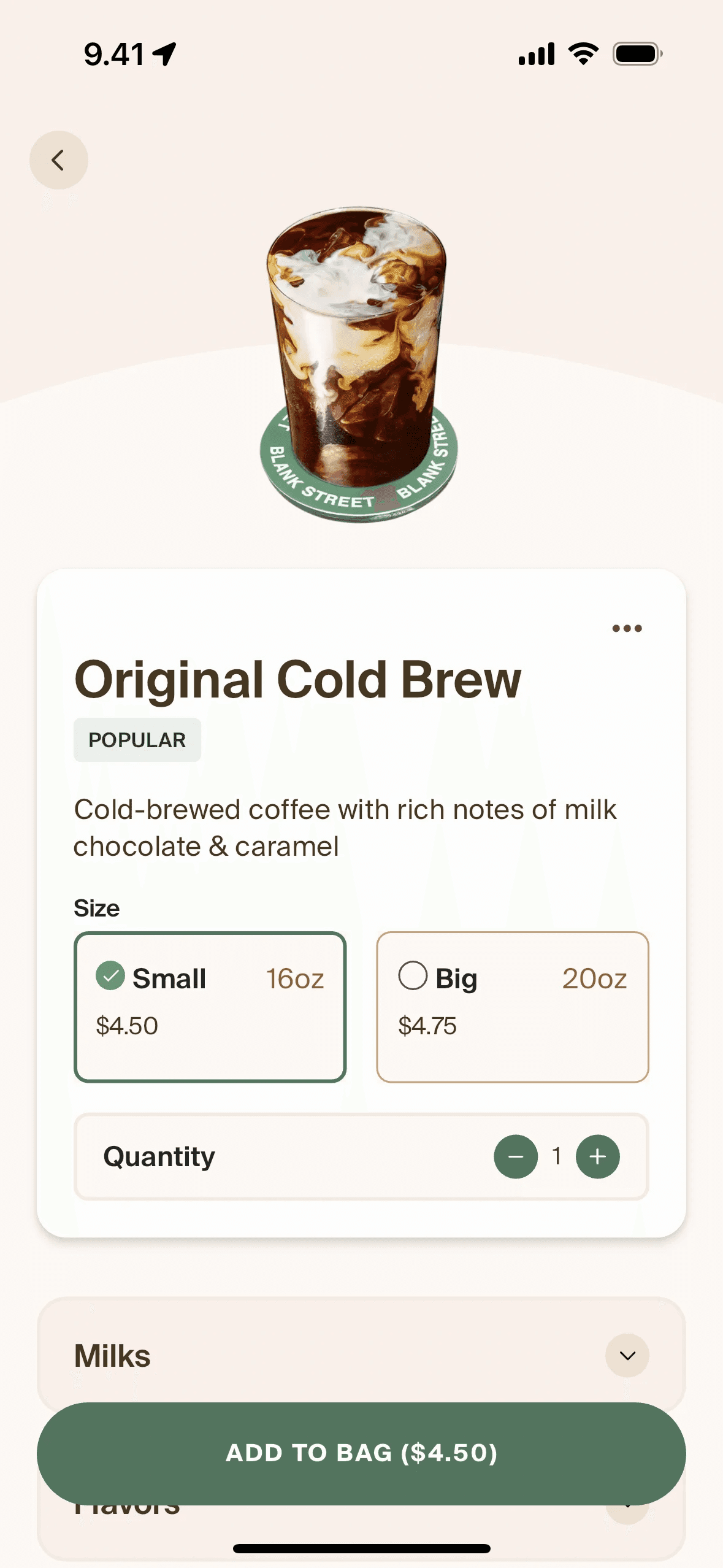
Meet Pine-N (#476D5B), a deep, muted green that commands attention through its quiet confidence. Its striking quality lies in its desaturated, earthy tone, offering a sophisticated foundation that feels both organic and refined, perfect for interfaces that aim for understated elegance.
Pine-N Code Conversions
HEX
#476D5B
LAB
43, -18, 6
RGB
71, 109, 91
XYZ
10.0, 13.0, 11.9
HSL
152°, 21%, 35%
LCH
43, 19, 162°
HSB
152°, 35%, 43%
LUV
43, -18, 10
HWB
152°, 28%, 57%
Pine-N Color Harmonies
Analogous
By selecting colors adjacent to Pine-N on the color wheel, you can build an analogous palette that feels cohesive and naturally serene.
Complementary
Complementary colors are opposites on the color wheel. When paired with Pine-N, they create a high-contrast, visually striking effect perfect for grabbing attention.
Split Complementary
A split complementary scheme for Pine-N uses the two colors adjacent to its direct complement, offering a vibrant yet balanced high-contrast palette.
Triadic
A triadic scheme uses three hues evenly spaced on the color wheel, creating a vibrant, high-contrast palette with Pine-N as its foundation.
Tetradic
Built from two pairs of complementary colors, tetradic palettes like these use Pine-N as a base to create rich and balanced four-color harmonies.
Square
A square color scheme uses four colors equidistant on the color wheel. Based on Pine-N, this arrangement creates a rich palette full of vibrant contrast.
Pine-N Contrast Simulation
Pine-N Color Variations
Shades
Shades of Pine-N are created by adding black, giving the color more depth and weight.
Tints
Tints are lighter versions of Pine-N, created by adding white to soften the hue.
Tones
Tones of Pine-N are created by mixing it with gray, resulting in softer, less saturated variations.
Hues
Hues are variations of Pine-N's base color, differing in their intensity and temperature.
What Interfaces Use Colors Like Pine-N?