Orange Red
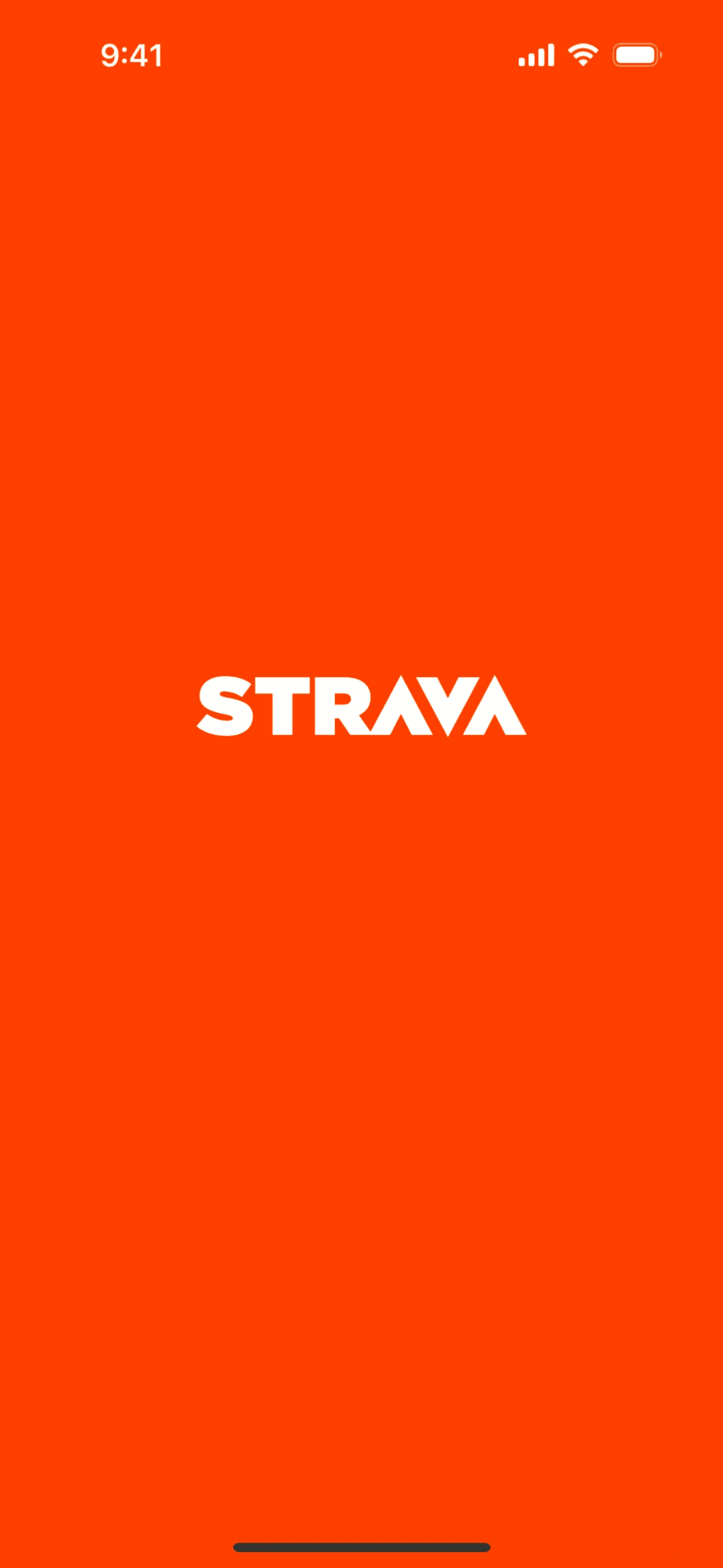
Meet Orange Red (#FF4500), a color that commands attention. Sitting squarely between fiery red and zesty orange, its intense saturation gives it a powerful visual punch, creating a brilliant and assertive presence without leaning too far into either of its parent colors.
Orange Red Code Conversions
HEX
#FF4500
LAB
58, 68, 69
RGB
255, 69, 0
XYZ
43.4, 25.5, 2.6
HSL
16°, 100%, 50%
LCH
58, 97, 45°
HSB
16°, 100%, 100%
LUV
58, 151, 45
HWB
16°, 0%, 0%
Orange Red Color Harmonies
Analogous
Analogous colors are neighbors to Orange Red on the color wheel, and using them together creates a cohesive and calming visual experience.
Complementary
Complementary colors sit opposite each other on the color wheel. For Orange Red, its complement creates a striking, high-contrast visual pairing.
Split Complementary
A split complementary palette for Orange Red pairs it with the two colors neighboring its opposite, creating a high-contrast look with less tension.
Triadic
A triadic combination for Orange Red involves two other colors equidistant on the color wheel, creating a high-contrast yet harmonious visual effect.
Tetradic
A tetradic scheme for Orange Red involves two pairs of complementary colors, creating a vibrant, four-color palette arranged in a rectangle on the wheel.
Square
A square color scheme uses four colors equidistant on the color wheel. This creates a vibrant palette with strong, balanced contrast, starting from Orange Red.
Orange Red Contrast Simulation
Orange Red Color Variations
Shades
Adding black to Orange Red creates shades, which introduce a sense of weight and depth.
Tints
Tints of Orange Red are made by adding white, creating lighter versions for a softer visual effect.
Tones
Tones of Orange Red are created by adding gray, resulting in a softer, less saturated appearance.
Hues
Hues are variations of Orange Red, differing in intensity and temperature to create distinct moods.
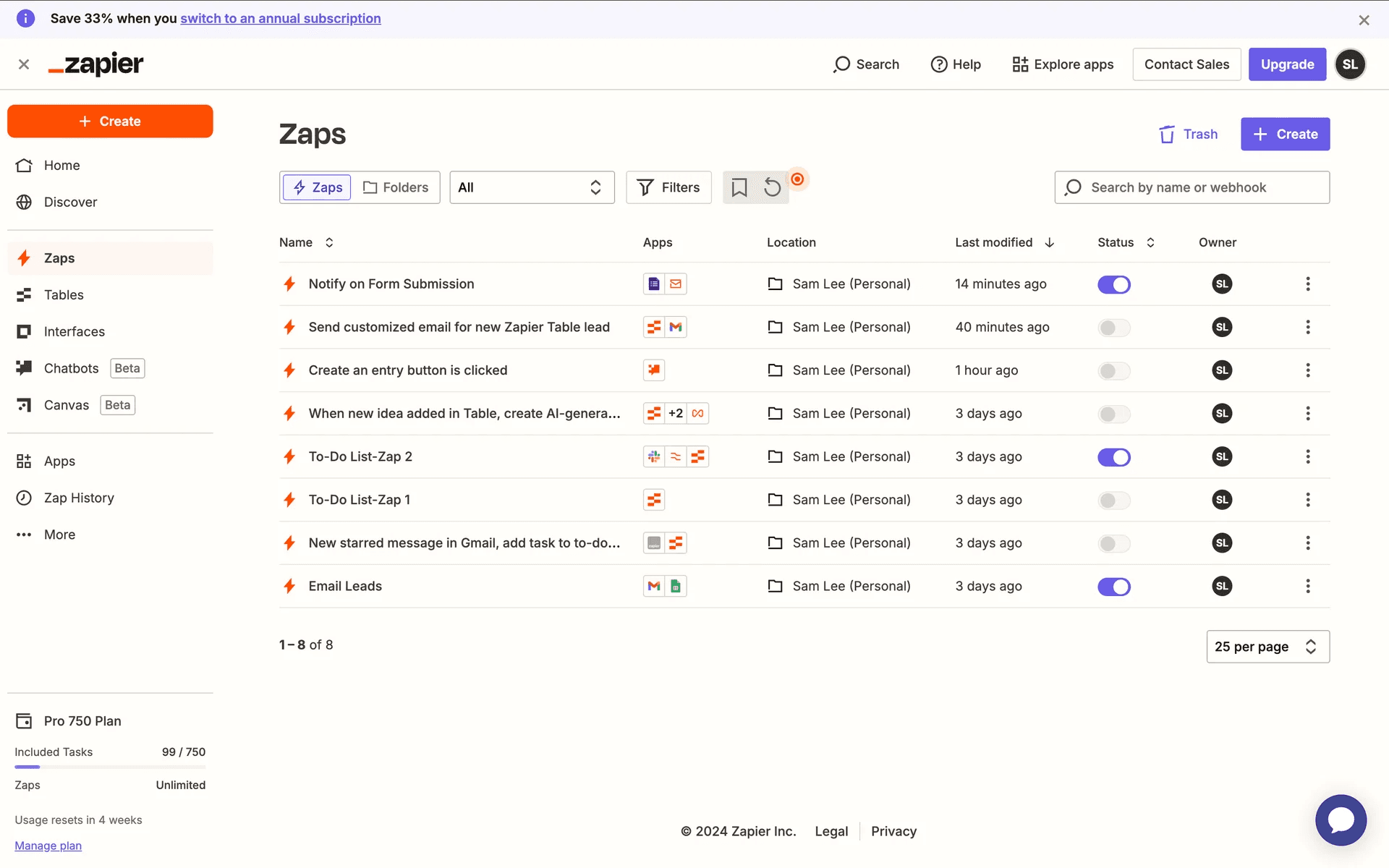
What Interfaces Use Colors Like Orange Red?