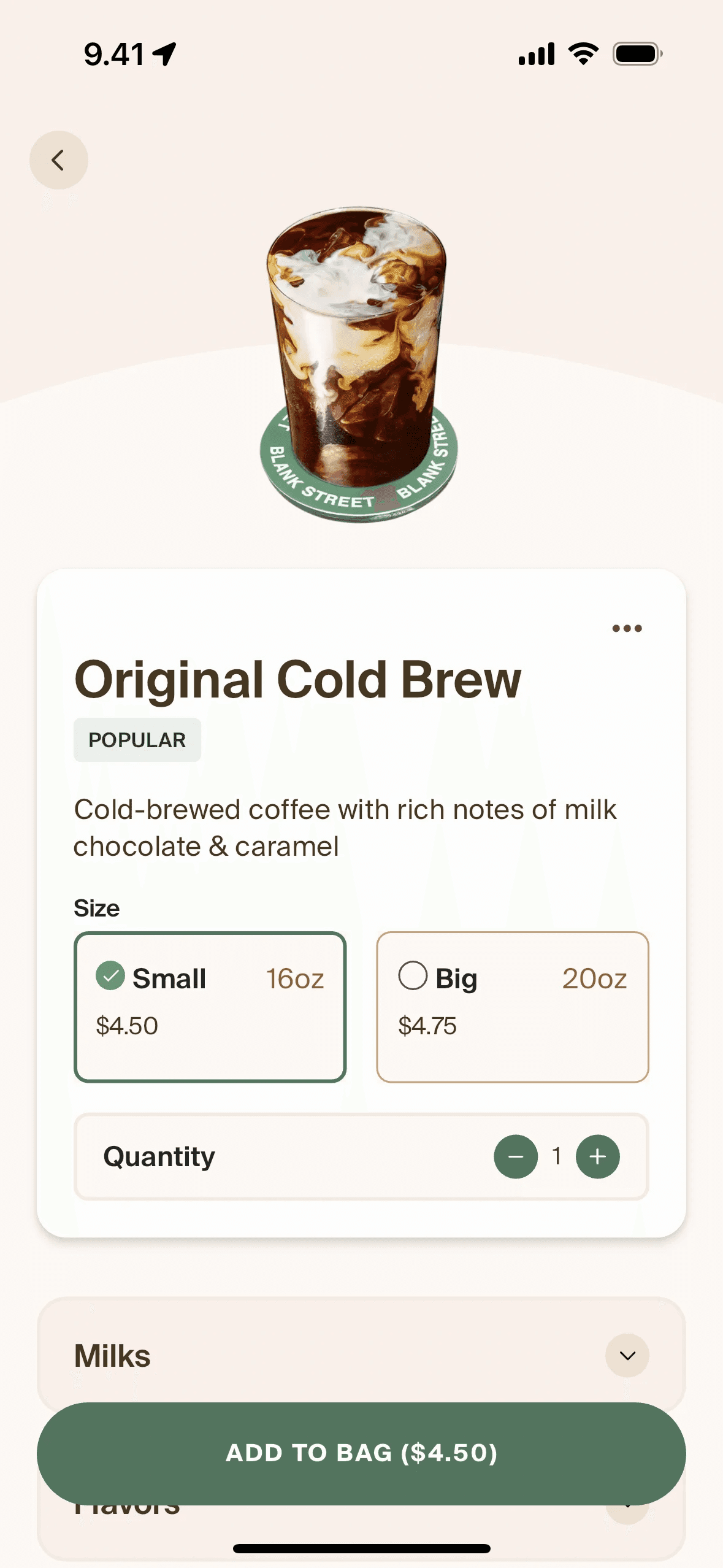
Olive Path
Meet Olive Path (#698F70), a muted green that sidesteps the ordinary. Its surprising depth comes from a subtle gray undertone, giving it a sophisticated, earthy quality. This unique character makes it a compelling choice for designers seeking a refined yet natural hue for their palettes.
Olive Path Code Conversions
HEX
#698F70
LAB
56, -20, 12
RGB
105, 143, 112
XYZ
18.6, 23.8, 18.9
HSL
131°, 15%, 49%
LCH
56, 23, 148°
HSB
131°, 27%, 56%
LUV
56, -19, 20
HWB
131°, 41%, 44%
Olive Path Color Harmonies
Analogous
Built from colors adjacent on the color wheel, analogous schemes using Olive Path as a base produce a cohesive and tranquil palette.
Complementary
Complementary colors sit directly opposite each other on the color wheel. When paired with Olive Path, its complement creates a striking, high-contrast visual.
Split Complementary
A split complementary palette for Olive Path uses the two colors adjacent to its complement, creating a high-contrast look with more creative flexibility.
Triadic
Triadic colors are three hues equidistant on the color wheel. With Olive Path as a base, this combination offers a bold, yet balanced, visual.
Tetradic
A tetradic scheme pairs Olive Path with three other hues, creating two complementary pairs that form a rectangle on the color wheel.
Square
Square color schemes pair Olive Path with three other colors, all equidistant on the color wheel, creating a lively and balanced high-contrast look.
Olive Path Contrast Simulation
Olive Path Color Variations
Shades
Shades are darker versions of Olive Path, made by mixing in black to add depth.
Tints
Tints are lighter variations of Olive Path, created by adding white to produce a softer tone.
Tones
Tones of Olive Path are created by adding gray, resulting in a softer, desaturated look.
Hues
Hues are variations of Olive Path, sharing its base color but with different intensities and temperatures.
What Interfaces Use Colors Like Olive Path?