Mayonnaise
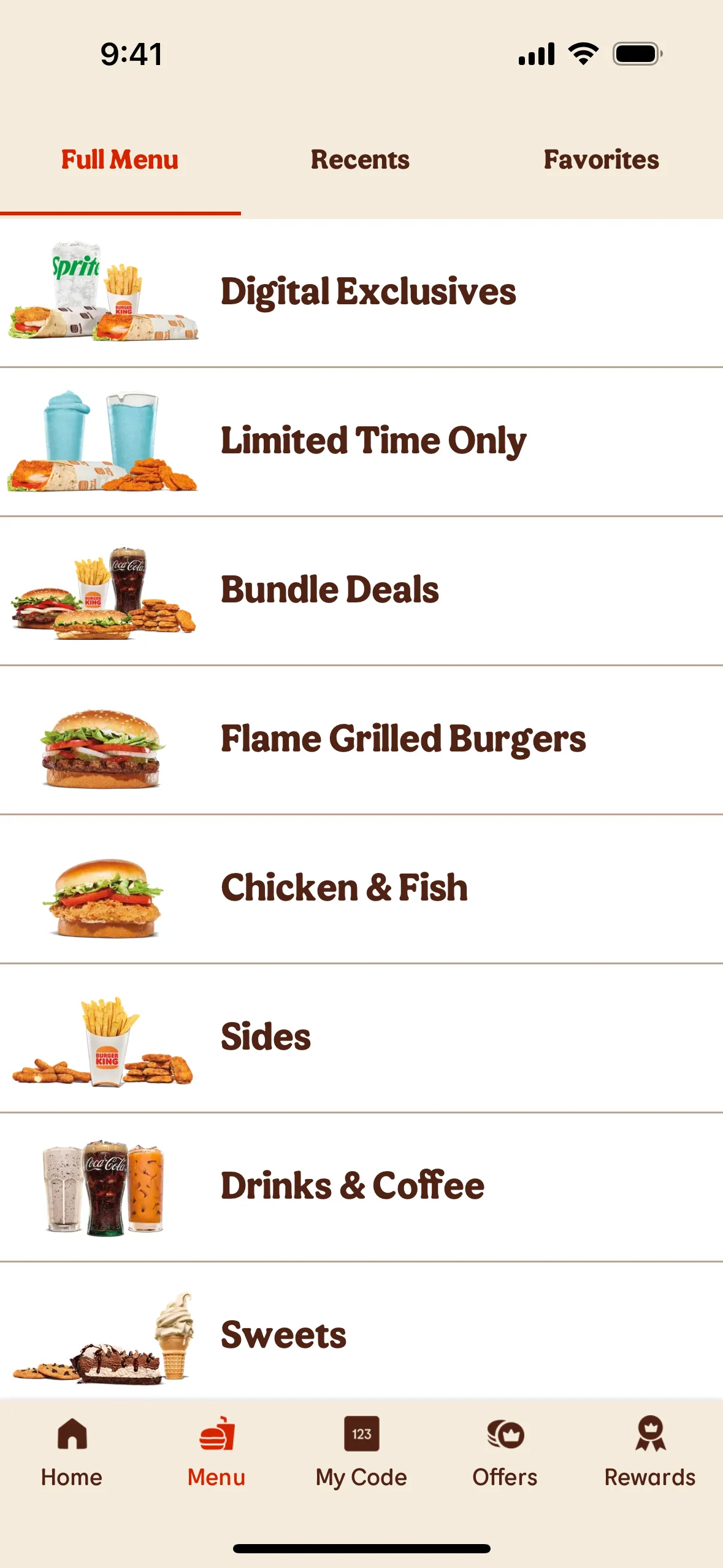
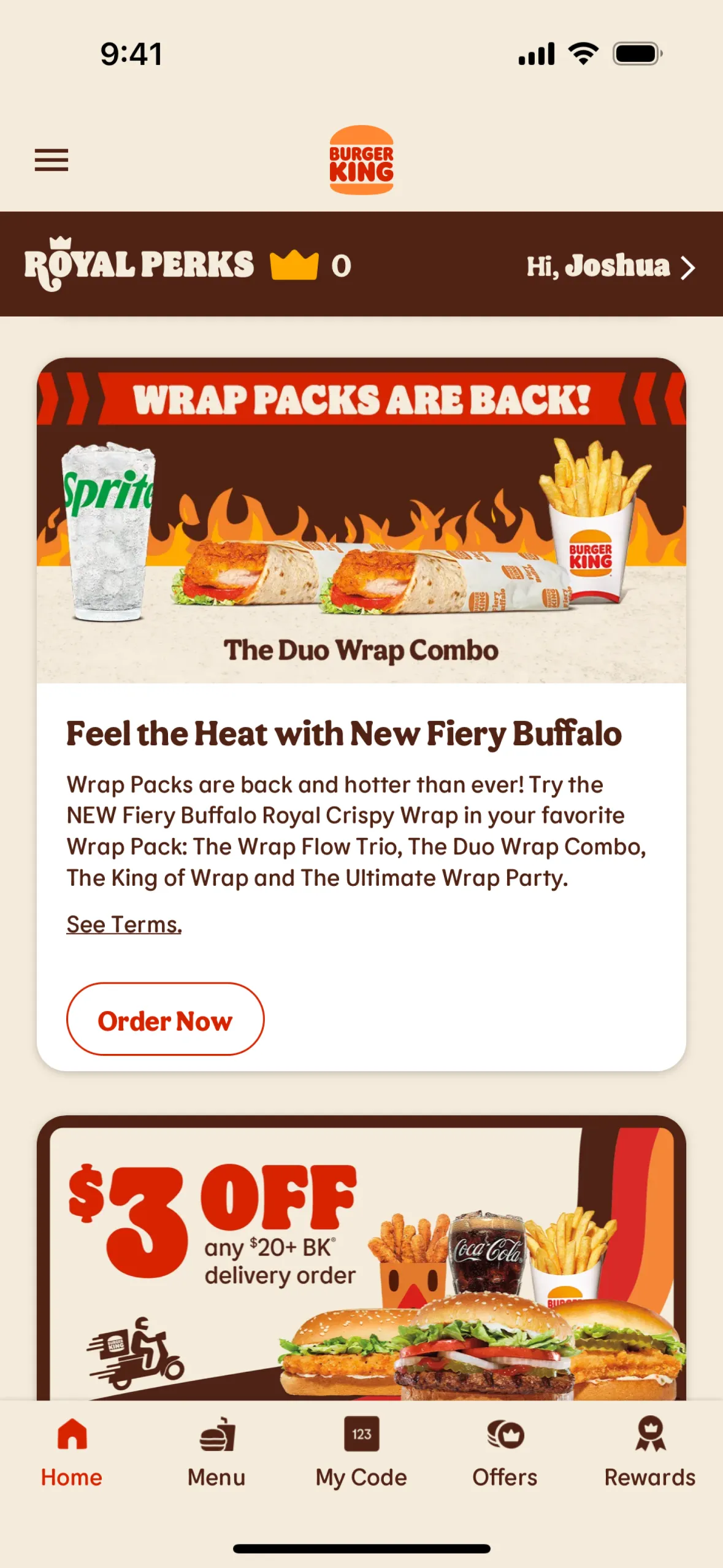
Meet Mayonnaise (#F9F5E5), a warm, creamy off-white that offers a sophisticated alternative to stark white. Its subtle yellow undertone provides a gentle warmth, making it a versatile foundation for clean and inviting digital interfaces without the clinical feel of pure white.
Mayonnaise Code Conversions
HEX
#F9F5E5
LAB
96, -1, 8
RGB
249, 245, 229
XYZ
85.9, 91.1, 87.2
HSL
48°, 63%, 94%
LCH
96, 8, 99°
HSB
48°, 8%, 98%
LUV
96, 3, 13
HWB
48°, 90%, 2%
Mayonnaise Color Harmonies
Analogous
Analogous colors are neighbors on the color wheel. When paired with Mayonnaise, they create a harmonious and serene palette, perfect for calm designs.
Complementary
Complementary colors sit opposite each other on the color wheel. Paired with Mayonnaise, they produce a high-contrast, vibrant effect in any design.
Split Complementary
The split complementary palette for Mayonnaise uses the two colors bordering its direct opposite, creating a sophisticated and versatile high-contrast combination.
Triadic
A triadic palette uses three colors equally spaced on the color wheel. With Mayonnaise as the base, the result is a vibrant, high-contrast combination.
Tetradic
Tetradic palettes are built from two pairs of complementary colors, forming a rectangle on the color wheel and offering rich, versatile combinations with Mayonnaise.
Square
A square color scheme pairs Mayonnaise with three other colors, all evenly spaced on the color wheel, creating a vibrant, high-contrast palette.
Mayonnaise Contrast Simulation
Mayonnaise Color Variations
Shades
Shades of Mayonnaise are darker versions made by adding black, which adds depth and weight.
Tints
Tints are created by adding white to Mayonnaise, resulting in lighter, softer variations.
Tones
By mixing Mayonnaise with gray, you create tones with a softer, desaturated appearance.
Hues
Hues are variations of Mayonnaise, sharing its base color but with different intensities or temperatures.
What Interfaces Use Colors Like Mayonnaise?