Majorelle Blue
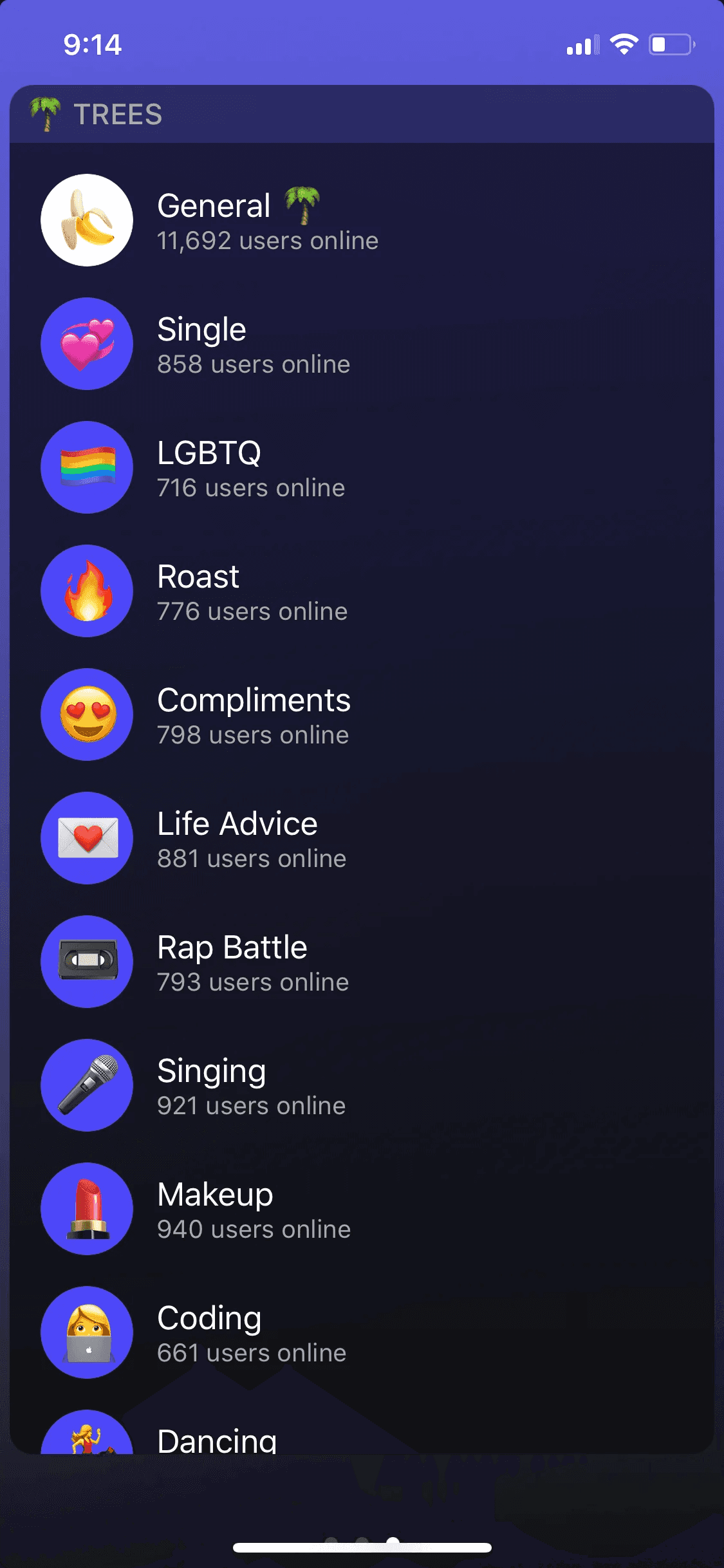
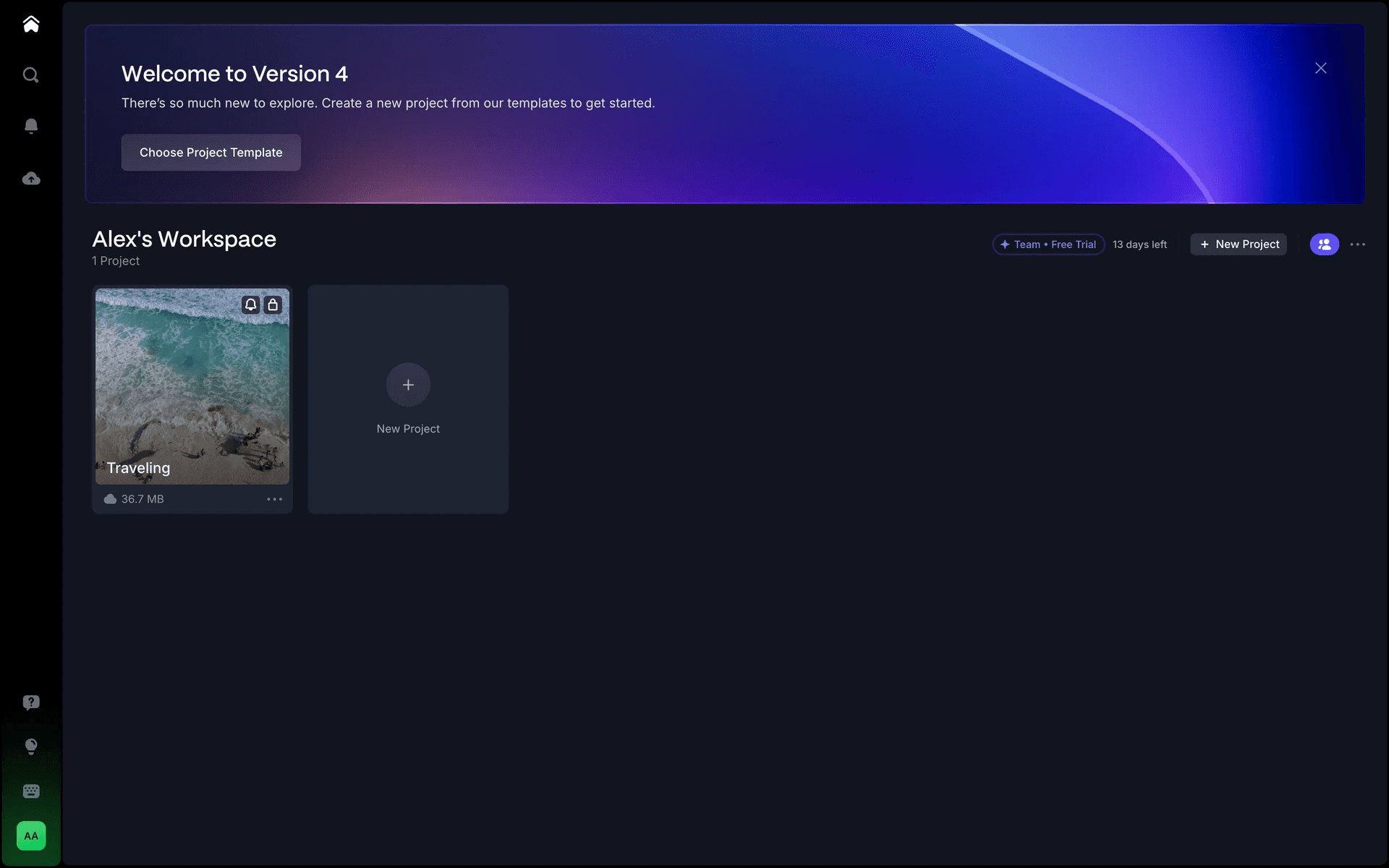
Meet Majorelle Blue (#6050DC), a striking shade that sits confidently between violet and cobalt. Its intense saturation and digital-first vibrancy give it a luminous quality, making it a standout choice for designers seeking a bold, contemporary feel without the harshness of pure electric blue.
Majorelle Blue Code Conversions
HEX
#6050DC
LAB
43, 45, -70
RGB
96, 80, 220
XYZ
20.6, 13.4, 69.2
HSL
247°, 67%, 59%
LCH
43, 83, 303°
HSB
247°, 64%, 86%
LUV
43, -3, -106
HWB
247°, 31%, 14%
Majorelle Blue Color Harmonies
Analogous
Sitting next to each other on the color wheel, analogous colors produce a serene and cohesive look when used alongside Majorelle Blue.
Complementary
Complementary colors sit opposite each other on the color wheel. When paired with Majorelle Blue, they create a high-contrast, visually striking effect.
Split Complementary
A split complementary scheme for Majorelle Blue pairs it with the two colors adjacent to its direct complement, offering high contrast with added nuance.
Triadic
Triadic color schemes use three hues evenly spaced on the color wheel. For Majorelle Blue, this creates a vibrant, high-contrast, and balanced palette.
Tetradic
A tetradic color scheme for Majorelle Blue uses four colors arranged into two complementary pairs, creating a rich and vibrant palette.
Square
The square color scheme selects four colors at equal distances around the color wheel, offering a balanced yet highly contrasting palette for Majorelle Blue.
Majorelle Blue Contrast Simulation
Majorelle Blue Color Variations
Shades
Shades of Majorelle Blue are made by adding black, giving the color more depth and weight.
Tints
By mixing white with Majorelle Blue, you create tints—lighter variations that add softness.
Tones
Tones of Majorelle Blue are created by adding gray, resulting in a softer, desaturated appearance.
Hues
Hues are variations of Majorelle Blue, differing in intensity and temperature to create distinct moods.
What Interfaces Use Colors Like Majorelle Blue?