Magnolia
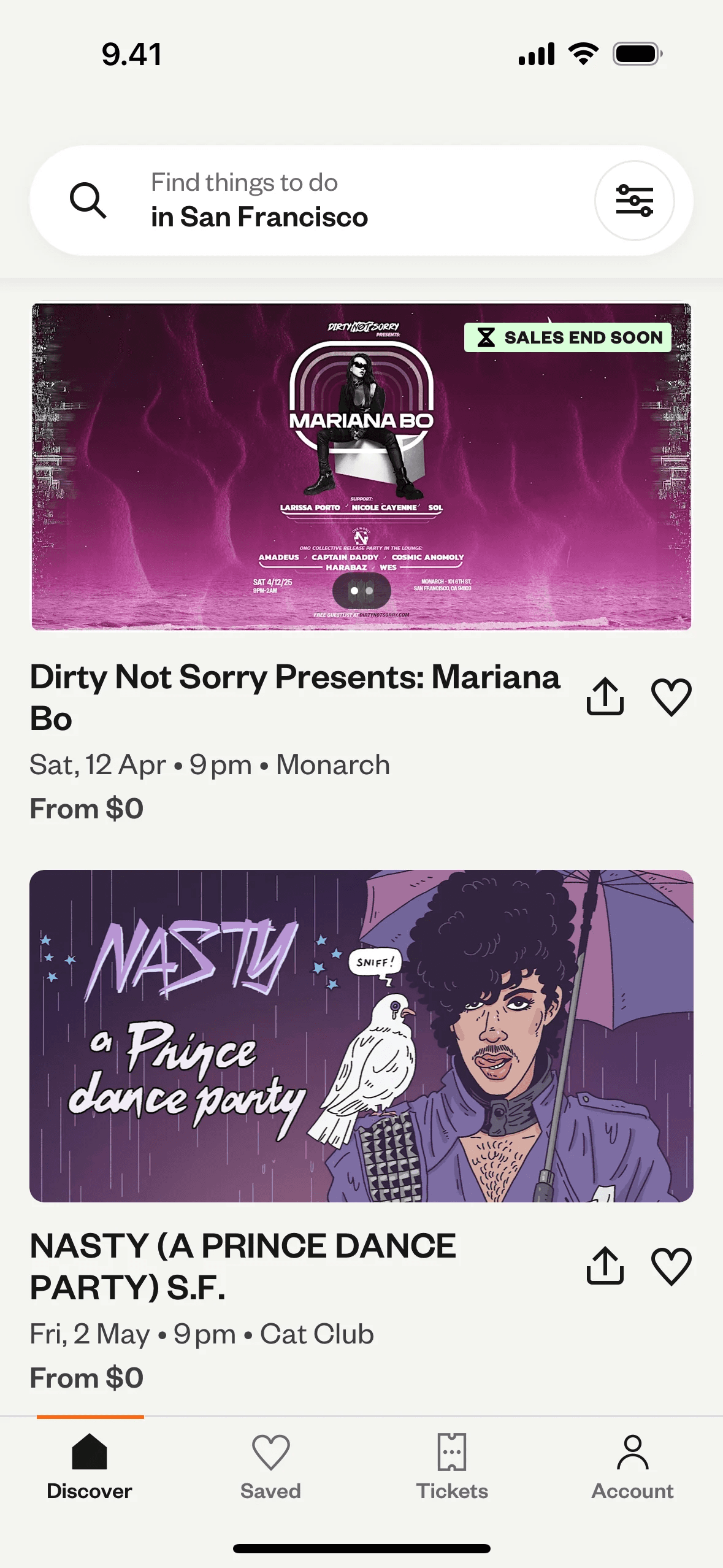
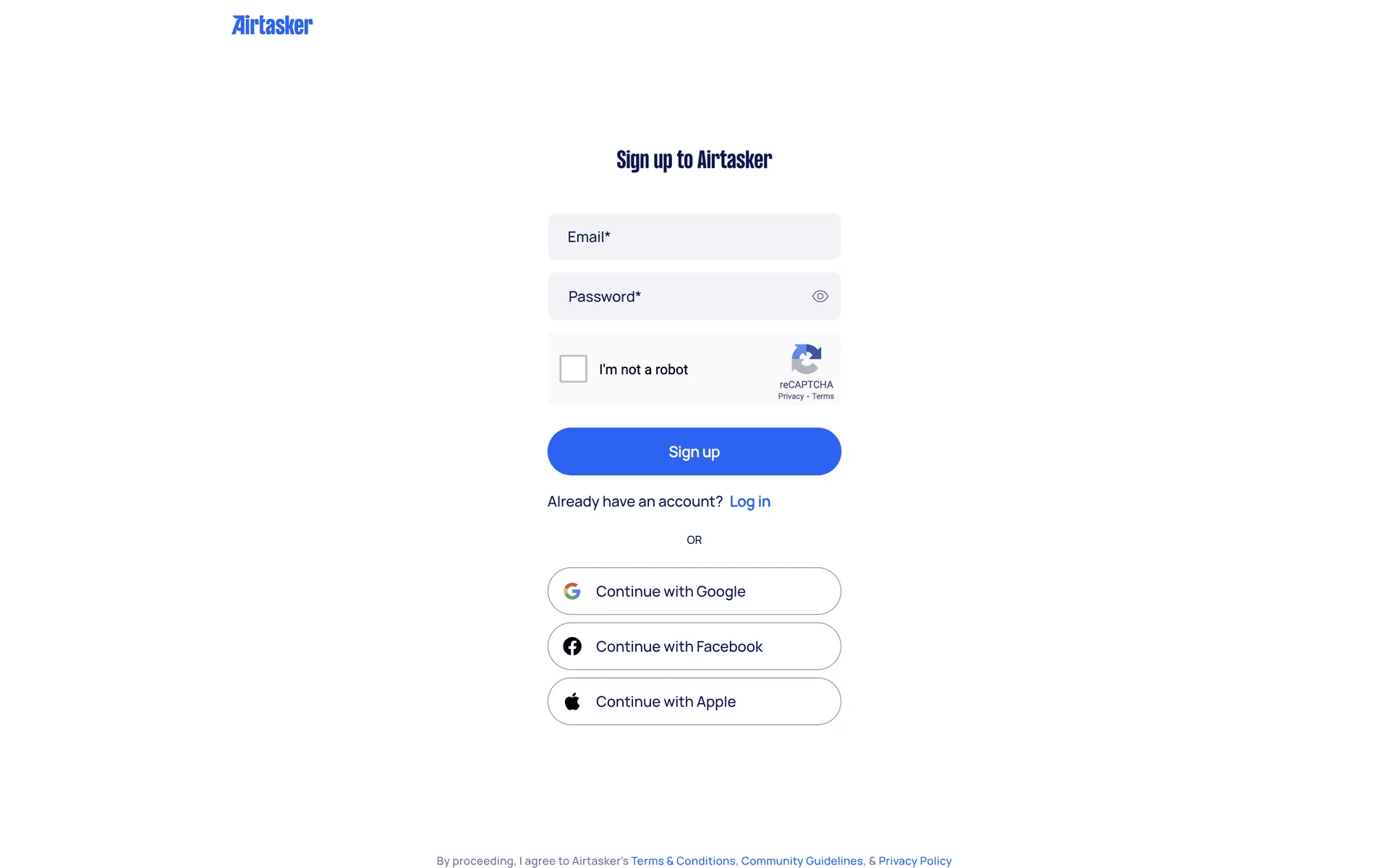
Meet Magnolia (#F8F4FF), a color defined by its quiet distinction. Its striking quality lies in a whisper of violet within a soft, near-white base. This faint chromatic touch offers a sophisticated alternative to stark white, ideal for crafting clean and airy digital interfaces.
Magnolia Code Conversions
HEX
#F8F4FF
LAB
97, 3, -5
RGB
248, 244, 255
XYZ
89.1, 91.9, 107.6
HSL
262°, 100%, 98%
LCH
97, 6, 304°
HSB
262°, 4%, 100%
LUV
97, 2, -8
HWB
262°, 96%, 0%
Magnolia Color Harmonies
Analogous
Analogous colors are neighbors on the color wheel. When paired with Magnolia, they create a harmonious and serene palette for your designs.
Complementary
Complementary colors sit on opposite ends of the color wheel. Pairing them with Magnolia results in a bold, attention-grabbing palette for any interface.
Split Complementary
For a high-contrast yet balanced palette, split complementary colors pair Magnolia with the two colors adjacent to its direct complement on the color wheel.
Triadic
A triadic scheme pairs Magnolia with two other colors, all equally spaced on the color wheel, creating a bold and balanced palette.
Tetradic
Tetradic schemes pair Magnolia with three other hues, forming two complementary sets on the color wheel for a rich and balanced four-color palette.
Square
A square color scheme pairs Magnolia with three other colors, all equidistant on the color wheel, creating a vibrant and high-contrast palette.
Magnolia Contrast Simulation
Magnolia Color Variations
Shades
Adding black to Magnolia produces darker shades, giving the original color more depth and weight.
Tints
Tints of Magnolia are lighter values made by adding white, which gives them a softer quality.
Tones
Tones are created by adding gray to Magnolia, resulting in softer, more muted variations.
Hues
Hues are variations of Magnolia, sharing its base color but with different intensities and temperatures.
What Interfaces Use Colors Like Magnolia?