Linen
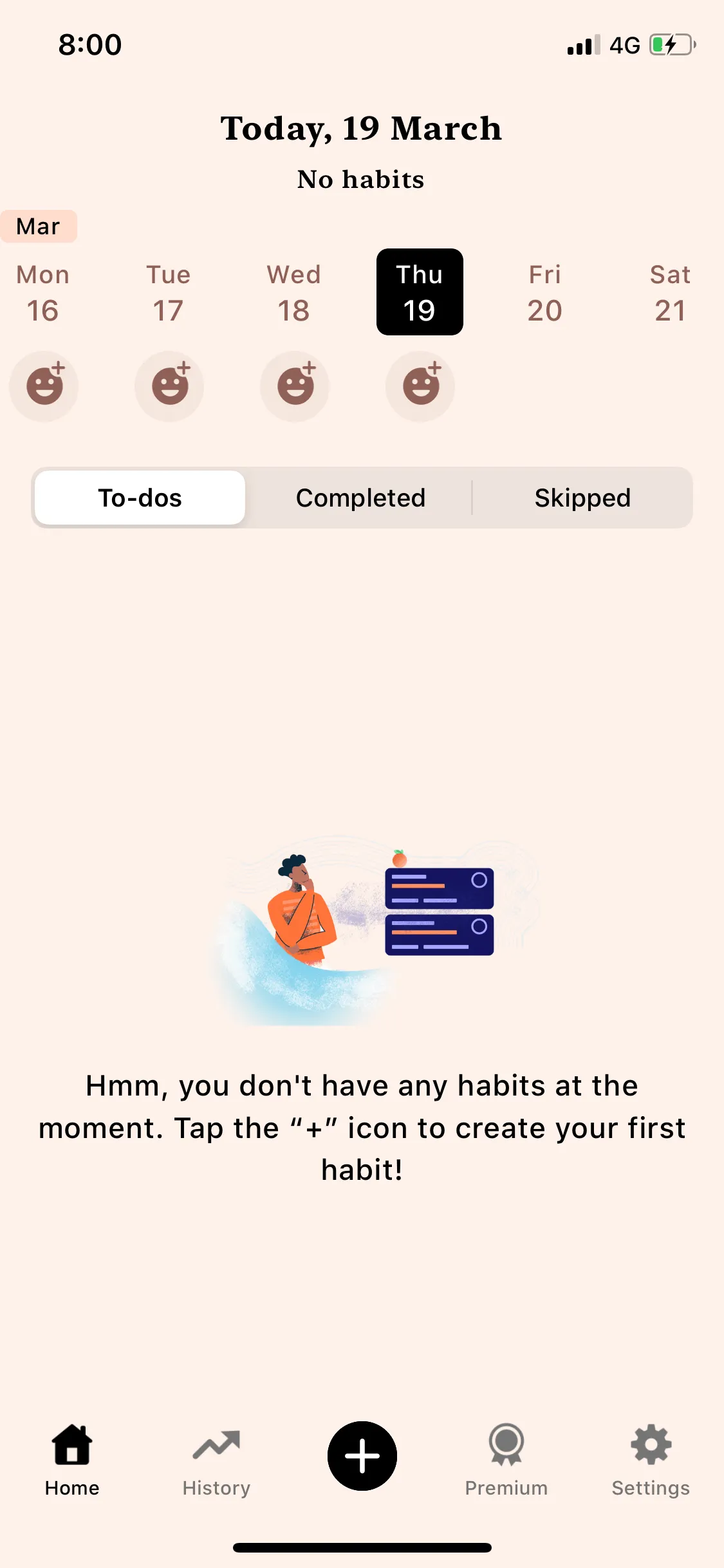
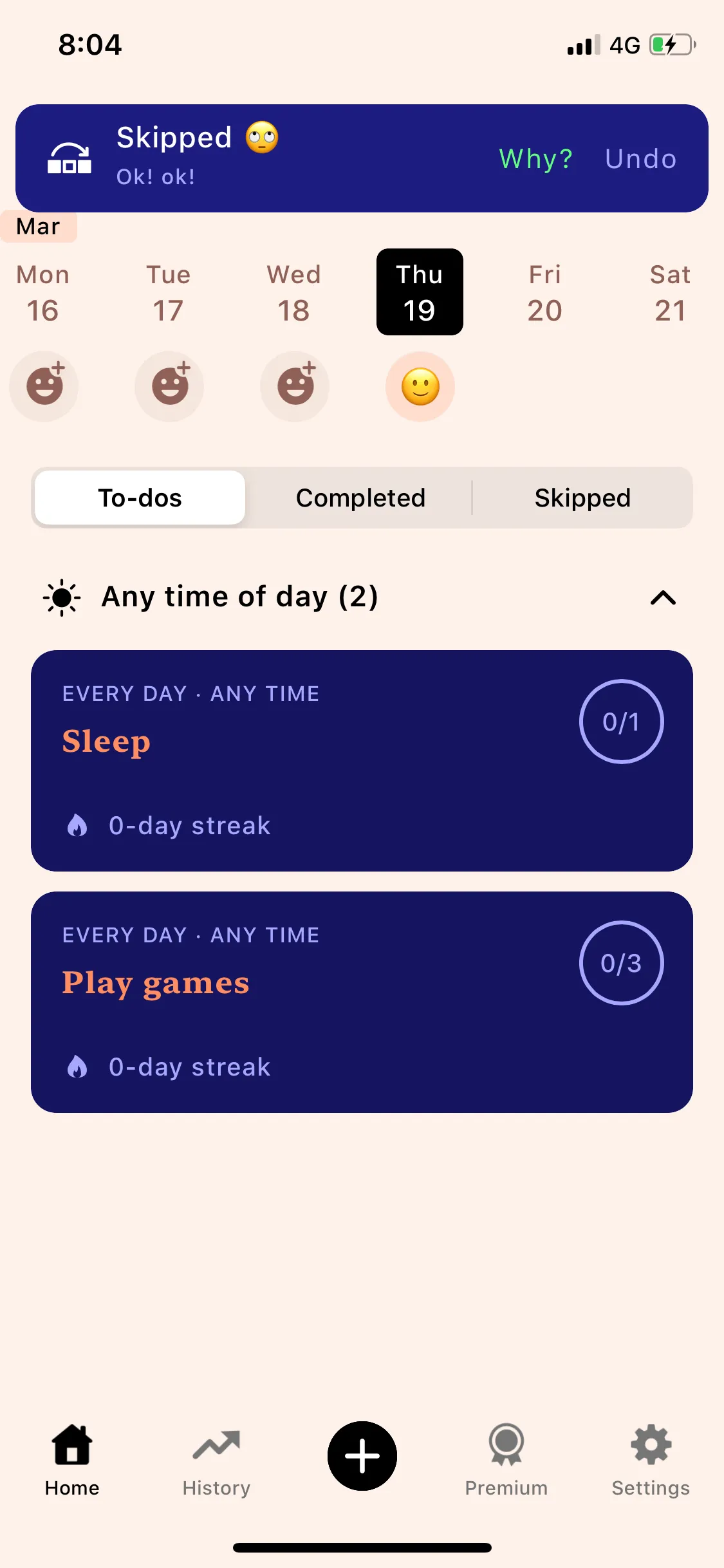
Introducing Linen (#FAF0E6), a soft off-white with a distinct character. This hue moves beyond simple neutrality, carrying a subtle, creamy warmth. Its understated complexity gives it a refined quality, making it a compelling choice for designers seeking a gentle, yet expressive, base color.
Linen Code Conversions
HEX
#FAF0E6
LAB
95, 2, 6
RGB
250, 240, 230
XYZ
84.9, 88.4, 87.4
HSL
30°, 67%, 94%
LCH
95, 6, 74°
HSB
30°, 8%, 98%
LUV
95, 6, 9
HWB
30°, 90%, 2%
Linen Color Harmonies
Analogous
Analogous colors sit next to each other on the color wheel. For Linen, these adjacent hues produce a cohesive and tranquil palette.
Complementary
Complementary colors are opposites on the color wheel. When paired with Linen, these hues create a striking, high-contrast visual effect, making both colors pop.
Split Complementary
The split complementary palette for Linen uses the two colors adjacent to its direct complement, creating a vibrant, high-contrast look that's easier to balance.
Triadic
Triadic palettes are formed by three colors spaced evenly on the color wheel. With Linen as a base, this creates a vibrant, high-contrast combination.
Tetradic
A tetradic scheme uses two complementary color pairs, forming a rectangle on the color wheel. Explore palettes that build upon Linen with this model.
Square
A square color scheme uses four colors equidistant on the color wheel. This method creates a vibrant, high-contrast palette with Linen (#FAF0E6) as its foundation.
Linen Contrast Simulation
Linen Color Variations
Shades
Shades of Linen are created by adding black, resulting in darker, weightier tones.
Tints
Tints are lighter variations of Linen, created by mixing in white for a softer feel.
Tones
Tones of Linen are created by adding gray, resulting in softer, muted variations.
Hues
Hues are variations of Linen's base color, differing in intensity or temperature to create distinct moods.
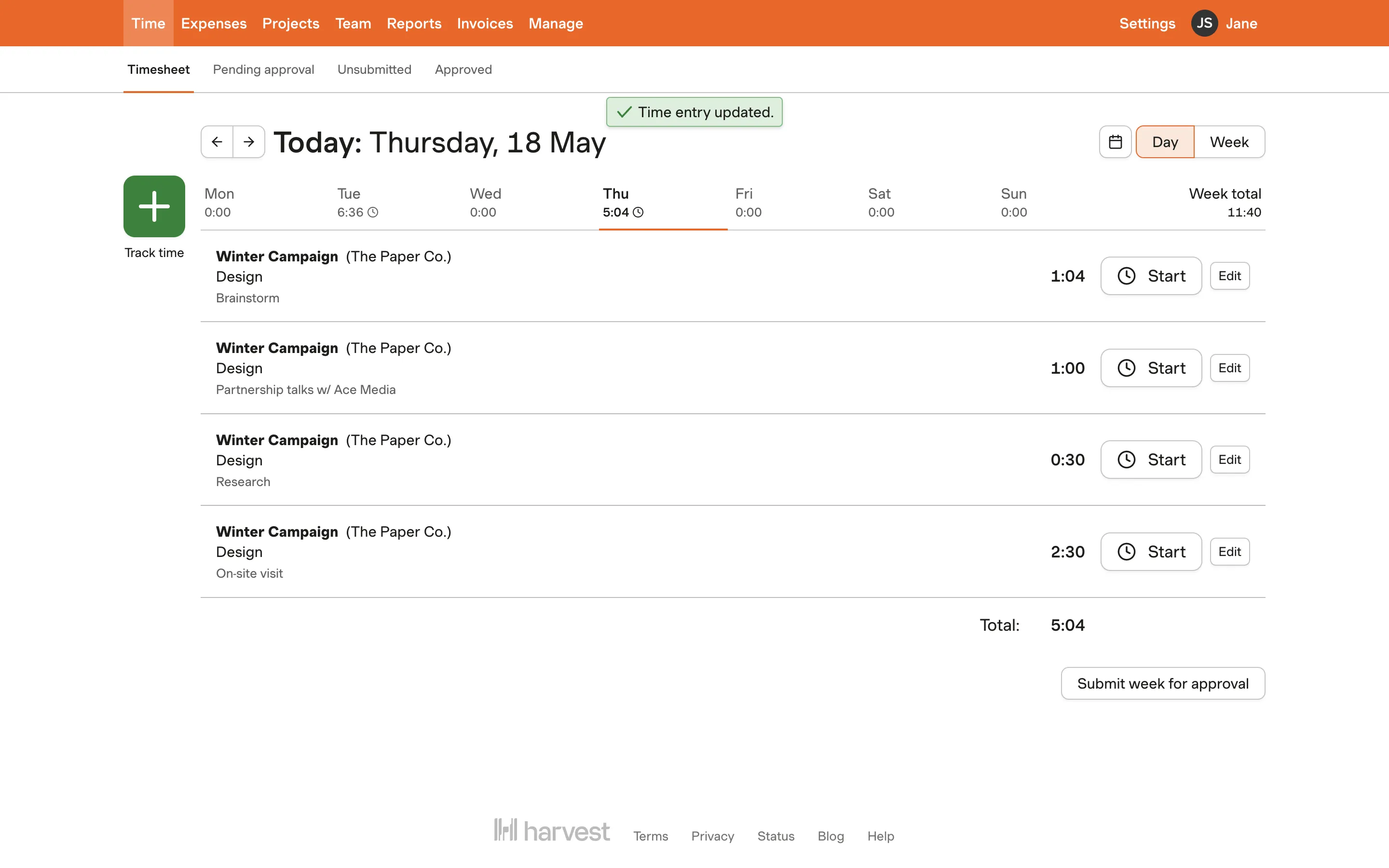
What Interfaces Use Colors Like Linen?