Isabelline
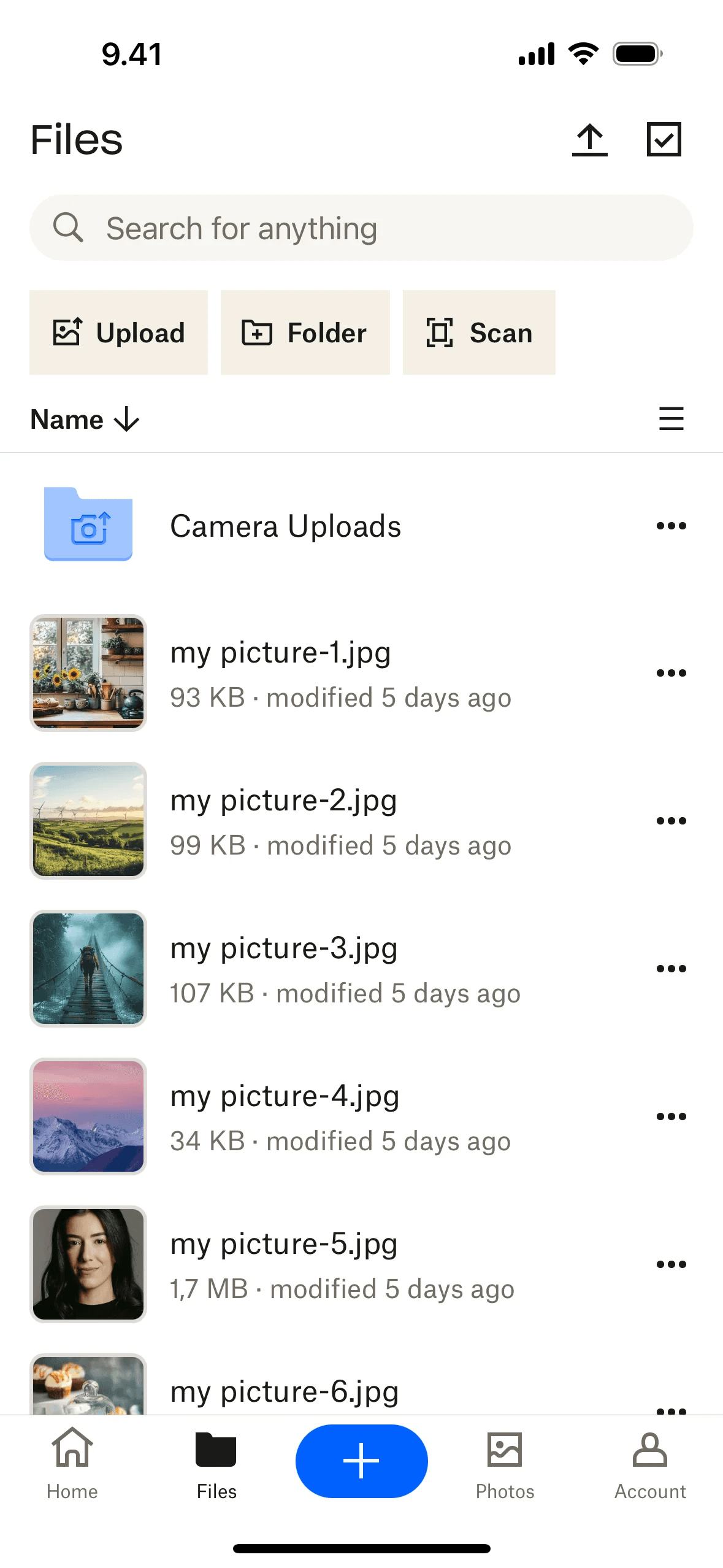
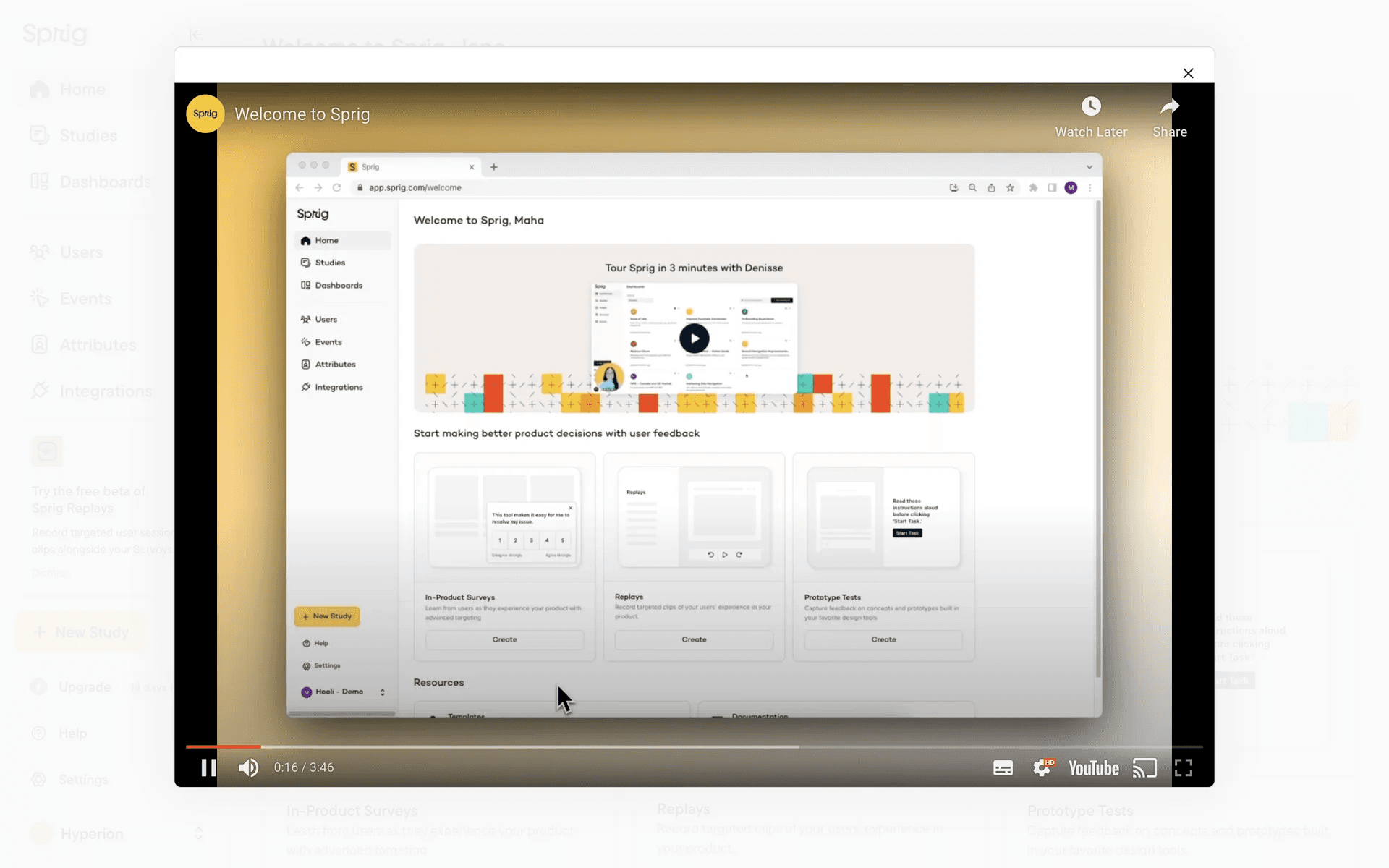
Isabelline (#F4F0EC) is a study in subtlety. More than just an off-white, its character comes from a delicate blend of grey and yellow undertones. This quiet complexity makes it a uniquely versatile foundation for sophisticated user interface design.
Isabelline Code Conversions
HEX
#F4F0EC
LAB
95, 1, 2
RGB
244, 240, 236
XYZ
83.6, 87.6, 91.8
HSL
30°, 27%, 94%
LCH
95, 2, 75°
HSB
30°, 3%, 96%
LUV
95, 2, 4
HWB
30°, 93%, 4%
Isabelline Color Harmonies
Analogous
Analogous colors sit side-by-side on the color wheel. Paired with Isabelline, these neighboring hues create a cohesive and tranquil visual experience.
Complementary
To find Isabelline's complement, look directly opposite on the color wheel. This pairing produces a vibrant, energetic look with maximum visual contrast.
Split Complementary
Split complementary palettes offer a vibrant yet balanced look. For Isabelline, this involves pairing it with the two colors adjacent to its direct complement.
Triadic
For a vibrant, high-contrast look, a triadic scheme combines Isabelline with two other colors that are equally spaced on the color wheel.
Tetradic
A tetradic palette for Isabelline involves four colors, forming a rectangle of two complementary pairs on the color wheel for a vibrant combination.
Square
A square color scheme pairs Isabelline with three other colors, all equidistant on the color wheel, creating a vibrant and high-contrast palette.
Isabelline Contrast Simulation
Isabelline Color Variations
Shades
Shades are darker versions of Isabelline made with black, adding visual weight and dimension.
Tints
By mixing Isabelline with white, you create tints that offer a lighter, softer palette.
Tones
Tones of Isabelline are created by adding gray, producing softer, less saturated variations.
Hues
Hues are variations of Isabelline, differing in intensity and temperature to create distinct moods.
What Interfaces Use Colors Like Isabelline?