Han Blue

Meet Han Blue (#446CCF), a vibrant shade that commands attention. Balancing on the edge of electric, its striking saturation and pure hue offer remarkable visual clarity, giving it a distinct character that feels both modern and assertive.

What color is Han Blue?

Han Blue is a vibrant, medium-dark shade of blue with a distinctly cool temperature, sitting confidently between a classic royal blue and a softer periwinkle.It possesses a subtle violet undertone, lending it a sophisticated character that avoids the starkness of a pure primary blue.

What is the meaning of Han Blue?

Han Blue carries a rich legacy from ancient China, where this synthetic pigment was a symbol of innovation and prestige, often reserved for items of spiritual or royal importance.Psychologically, this vibrant yet stable hue communicates trust, intelligence, and clarity, making it a color that feels both grounded and forward-thinking.

How do I use Han Blue (#446CCF) in UI design?

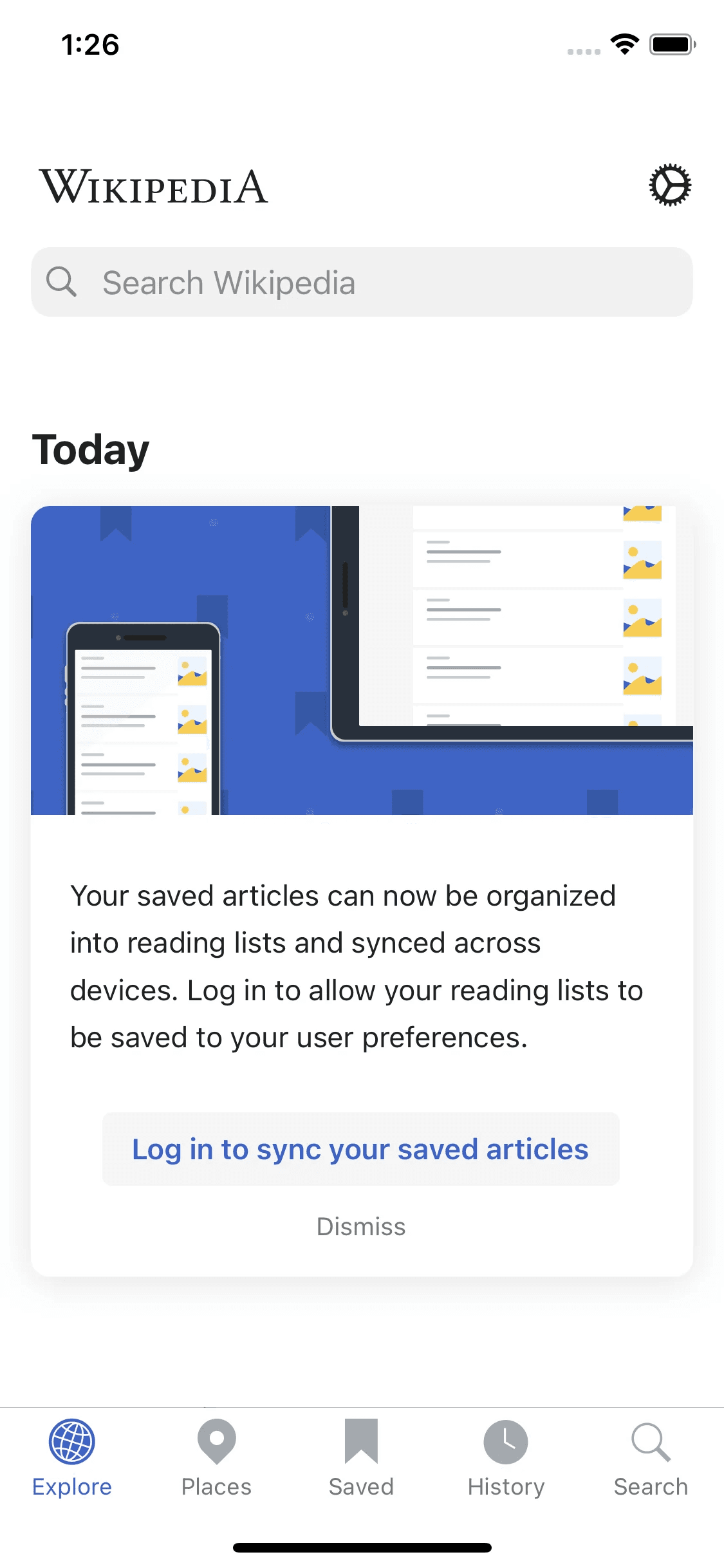
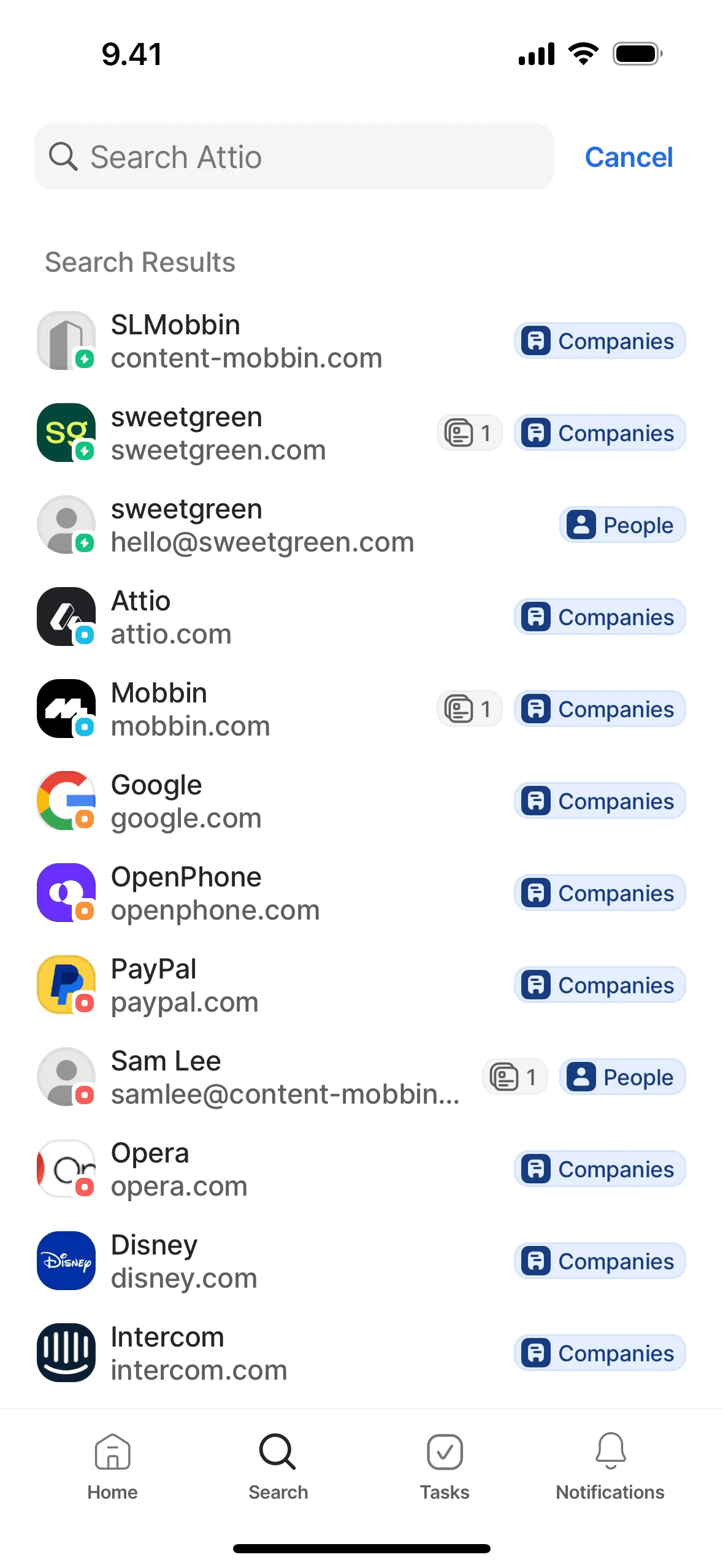
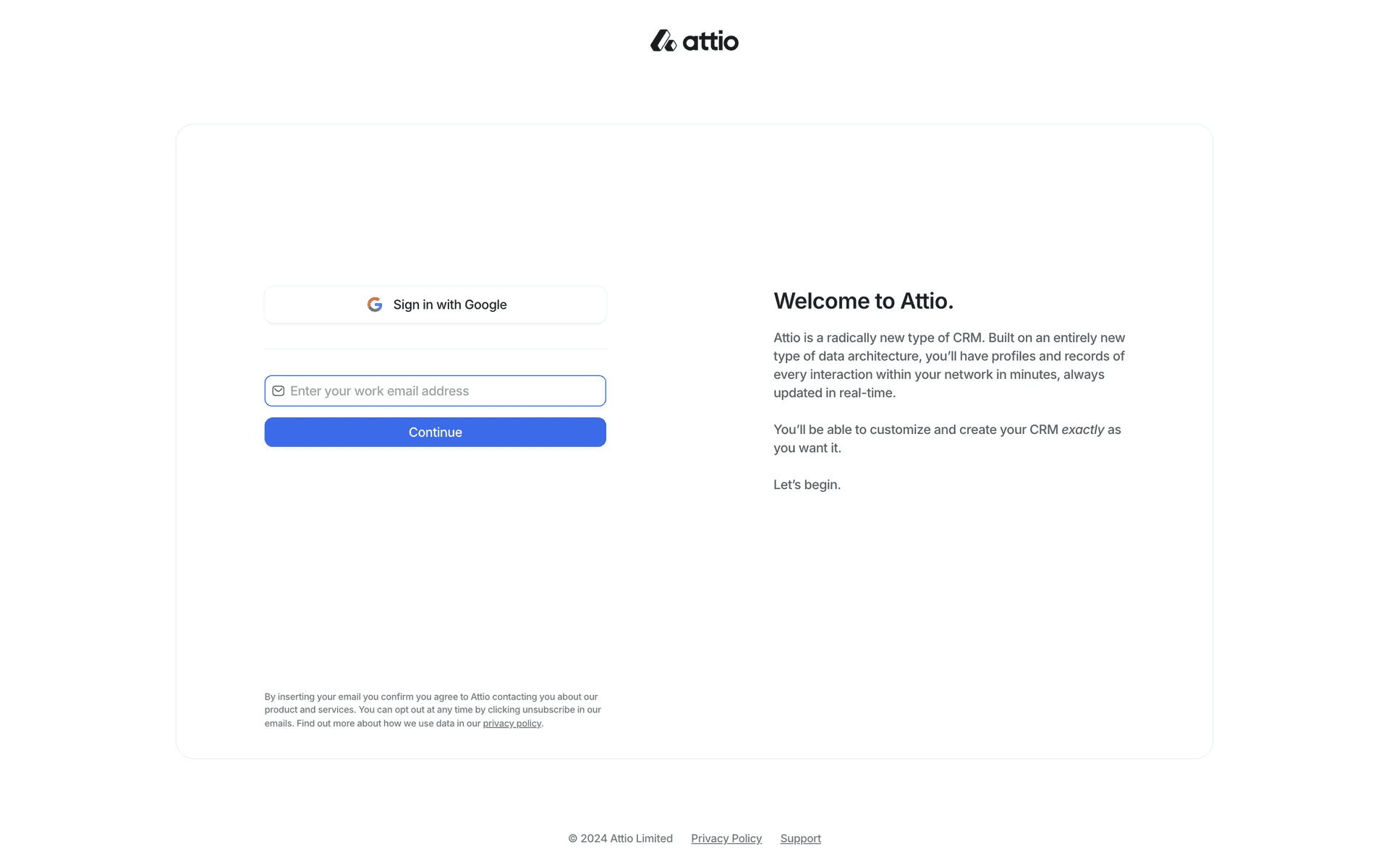
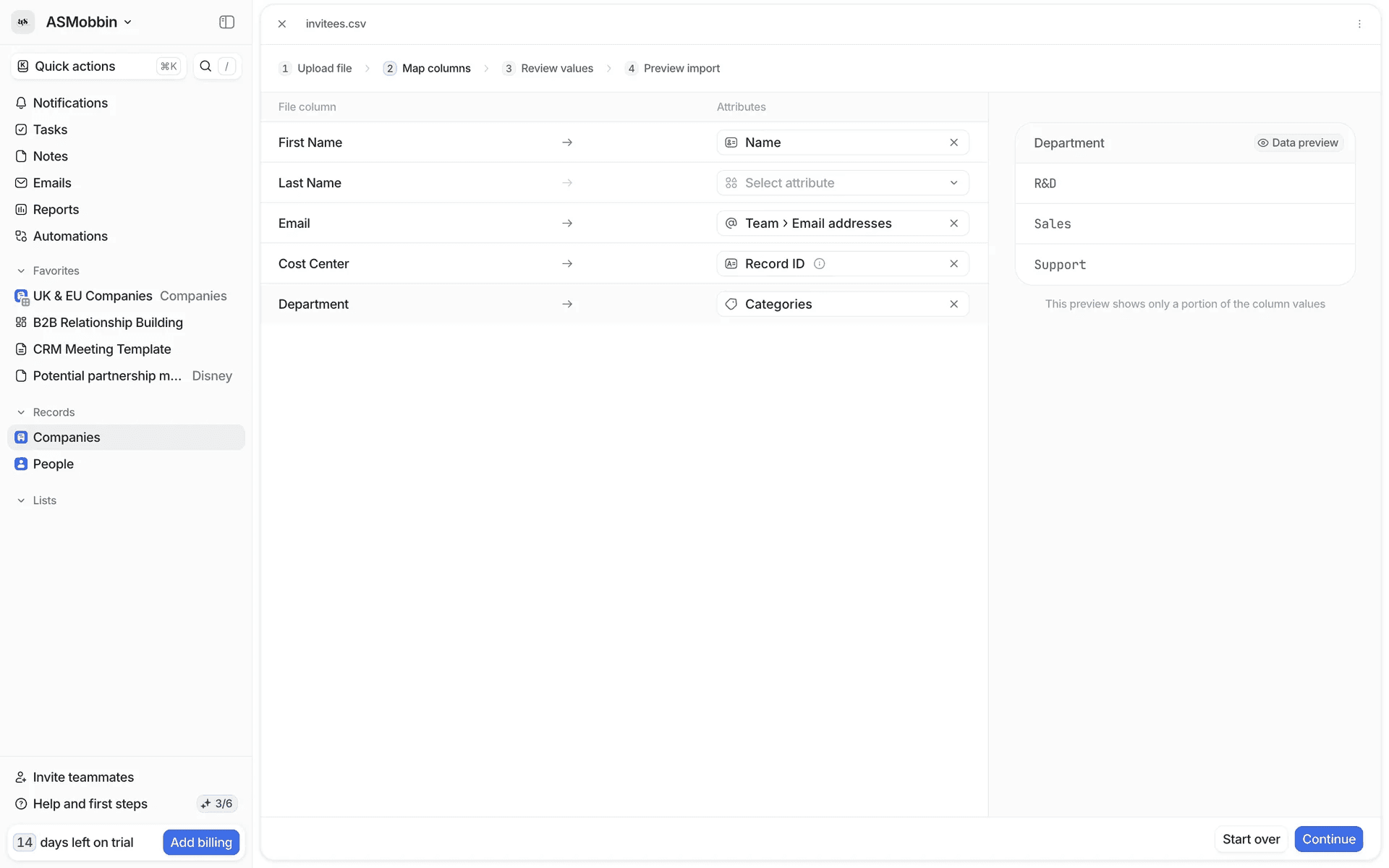
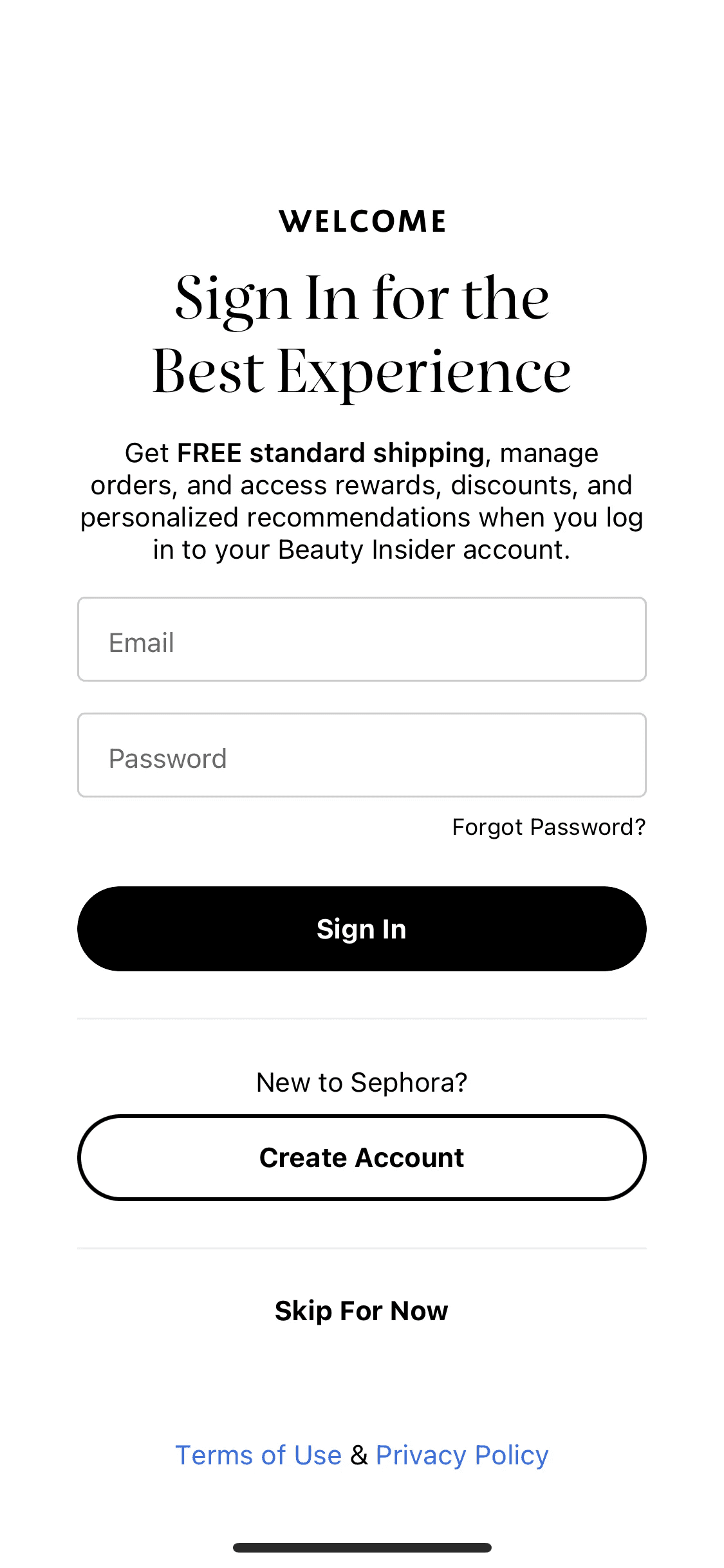
To apply Han Blue (#446CCF) effectively, use it to guide the user's eye. As a primary color, it offers a stable and confident base. As an accent against a neutral palette of whites and grays, it creates sharp, clear calls-to-action. For a more vibrant composition, consider a complementary pairing with a soft orange or yellow, which can add warmth and visual interest.While not ubiquitous, shades similar to Han Blue appear in the branding of companies like Wikipedia, Betterment, and Slite. This suggests its value for brands that want to communicate reliability and intelligence without resorting to a more conventional navy. Its relative rarity also presents an opportunity for a product to stand out in a crowded market.To see these principles in action, use the tools below. You can explore curated palettes, test color contrast for accessibility, and preview how Han Blue looks in real UI components from well-known apps.

Using Han Blue color codes

The hex code #446CCF is your starting point for using Han Blue in digital projects. This value can be directly translated into other color models for different applications. For instance, RGB (Red, Green, Blue) values define the color for screens, while CMYK (Cyan, Magenta, Yellow, Key/Black) is essential for print fidelity.Beyond the basics, models like HSL (Hue, Saturation, Lightness) offer a more intuitive way to make adjustments, while systems like LAB and LCH are built around how humans perceive color, which is useful for creating perceptually uniform palettes.To help you get started, we’ve converted Han Blue’s #446CCF into a full range of popular color code formats below, ready for you to copy and use in your work.

Han Blue

#446CCF

Access our full UI & UX library today.

What color is Han Blue?

Han Blue is a vibrant, medium-dark shade of blue with a distinctly cool temperature, sitting confidently between a classic royal blue and a softer periwinkle.It possesses a subtle violet undertone, lending it a sophisticated character that avoids the starkness of a pure primary blue.

What is the meaning of Han Blue?

Han Blue carries a rich legacy from ancient China, where this synthetic pigment was a symbol of innovation and prestige, often reserved for items of spiritual or royal importance.Psychologically, this vibrant yet stable hue communicates trust, intelligence, and clarity, making it a color that feels both grounded and forward-thinking.

How do I use Han Blue (#446CCF) in UI design?

To apply Han Blue (#446CCF) effectively, use it to guide the user's eye. As a primary color, it offers a stable and confident base. As an accent against a neutral palette of whites and grays, it creates sharp, clear calls-to-action. For a more vibrant composition, consider a complementary pairing with a soft orange or yellow, which can add warmth and visual interest.While not ubiquitous, shades similar to Han Blue appear in the branding of companies like Wikipedia, Betterment, and Slite. This suggests its value for brands that want to communicate reliability and intelligence without resorting to a more conventional navy. Its relative rarity also presents an opportunity for a product to stand out in a crowded market.To see these principles in action, use the tools below. You can explore curated palettes, test color contrast for accessibility, and preview how Han Blue looks in real UI components from well-known apps.

Using Han Blue color codes

The hex code #446CCF is your starting point for using Han Blue in digital projects. This value can be directly translated into other color models for different applications. For instance, RGB (Red, Green, Blue) values define the color for screens, while CMYK (Cyan, Magenta, Yellow, Key/Black) is essential for print fidelity.Beyond the basics, models like HSL (Hue, Saturation, Lightness) offer a more intuitive way to make adjustments, while systems like LAB and LCH are built around how humans perceive color, which is useful for creating perceptually uniform palettes.To help you get started, we’ve converted Han Blue’s #446CCF into a full range of popular color code formats below, ready for you to copy and use in your work.

Han Blue Code Conversions

HEX

#446CCF

LAB

48, 18, -55

RGB

68, 108, 207

XYZ

19.0, 16.5, 61.2

HSL

223°, 59%, 54%

LCH

48, 58, 288°

HSB

223°, 67%, 81%

LUV

48, -18, -86

CMYK

67, 48, 0, 19

CMYK

67, 48, 0, 19

HWB

223°, 27%, 19%

Han Blue Color Harmonies

Analogous

Analogous colors sit side-by-side on the color wheel. When paired with Han Blue, they produce a cohesive and tranquil palette for designs.

#44B2CF

#446CCF

#6244CF

#44B2CF

#446CCF

#6244CF

Complementary

Complementary colors sit opposite each other on the color wheel. Paired with Han Blue, they create a high-contrast, visually striking effect.

#446CCF

#CFA744

#446CCF

#CFA744

Split Complementary

A split complementary scheme for Han Blue uses the two colors adjacent to its direct complement, creating a vibrant yet balanced and harmonious palette.

#446CCF

#CF6244

#B1CF44

#446CCF

#CF6244

#B1CF44

Triadic

A triadic scheme pairs Han Blue with two other colors, all equidistant on the color wheel, resulting in a bold and balanced combination.

#446CCF

#CF446C

#6CCF44

#446CCF

#CF446C

#6CCF44

Tetradic

Forming a rectangle on the color wheel, a tetradic scheme combines Han Blue with three other hues, creating two complementary pairs.

#446CCF

#CF44B2

#CFA744

#44CF62

#446CCF

#CF44B2

#CFA744

#44CF62

Square

A square color scheme pairs Han Blue with three other colors, all equidistant on the color wheel, creating a vibrant and high-contrast palette.

#446CCF

#CF44B2

#CFA744

#44CF62

#446CCF

#CF44B2

#CFA744

#44CF62

Han Blue Contrast Simulation

Text Color

#

Background Color

#

4.89

Good

Small Text
Pass
Large Text
Pass
Graphic Components
Pass

Your Catchy Large Text Goes Here

A high contrast makes anything easier to read, especially small text.

Text Color

#

Background Color

#

Your Catchy Large Text Goes Here

A high contrast makes anything easier to read, especially small text.

4.89

Good

Small Text
Pass
Large Text
Pass
Graphic Components
Pass

Han Blue Color Variations

Shades

Shades are darker versions of Han Blue, made by adding black to create visual weight.

#446CCF

#3A5DB1

#314D94

#273E76

#1D2E59

#131F3B

#0A0F1E

#000000

#446CCF

#3A5DB1

#314D94

#273E76

#1D2E59

#131F3B

#0A0F1E

#000000

Tints

Tints of Han Blue are created by adding white, resulting in lighter, softer variations.

#446CCF

#5F81D6

#7996DD

#94ABE4

#AFC0EA

#CAD5F1

#E4EAF8

#FFFFFF

#446CCF

#5F81D6

#7996DD

#94ABE4

#AFC0EA

#CAD5F1

#E4EAF8

#FFFFFF

Tones

Tones of Han Blue are created by adding gray, which mutes the original color’s saturation.

#446CCF

#4D6FC4

#5572B8

#5E75AD

#6677A2

#6F7A97

#777D8B

#808080

#446CCF

#4D6FC4

#5572B8

#5E75AD

#6677A2

#6F7A97

#777D8B

#808080

Hues

Hues are variations of Han Blue, differing in intensity or temperature to create distinct moods.

#446CCF

#8444CF

#CF44B2

#CF4449

#CFA744

#8FCF44

#44CF62

#44CFCA

#446CCF

#8444CF

#CF44B2

#CF4449

#CFA744

#8FCF44

#44CF62

#44CFCA

What Interfaces Use Colors Like Han Blue?
Never run out of
inspiration again.

Use Mobbin for free as long as you like or get full access
with any of our paid plans.

  • Coinbase

  • Wise

  • Headspace

  • Airbnb

  • Uber

  • Nike

  • Pinterest

  • ChatGPT

  • Shopify

  • Loom

  • Creme

  • Mailchimp

  • Twitch

  • Spotify

  • Apple TV

  • Shop

  • Cosmos

  • Retro

  • Notion

  • Dropbox

Never run out of
inspiration again.

Use Mobbin for free as long as you like or get full access with any of our paid plans.

  • Coinbase

  • Wise

  • Headspace

  • Airbnb

  • Uber

  • Nike

  • Pinterest

  • ChatGPT

  • Shopify

  • Loom

  • Creme

  • Mailchimp

  • Twitch

  • Spotify

  • Apple TV

  • Shop

  • Cosmos

  • Retro

  • Notion

  • Dropbox

© Mobbin 2018-2026
© Mobbin 2018-2026
© Mobbin 2018-2026
© Mobbin 2018-2026
© Mobbin 2018-2026
© Mobbin 2018-2026