Goldfish
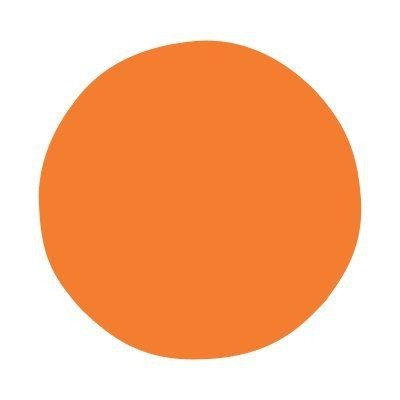
Meet Goldfish (#F98332), a vibrant orange that commands attention. Its high saturation and bright, almost-neon quality give it a punchy character, making it a standout choice for interfaces that need a jolt of energy without overwhelming the eye. It's a color with presence.
Goldfish Code Conversions
HEX
#F98332
LAB
67, 40, 61
RGB
249, 131, 50
XYZ
47.8, 36.6, 7.6
HSL
24°, 94%, 59%
LCH
67, 73, 57°
HSB
24°, 80%, 98%
LUV
67, 96, 55
HWB
24°, 20%, 2%
Goldfish Color Harmonies
Analogous
Analogous colors sit next to each other on the color wheel. When paired with Goldfish, they create a calm and cohesive visual experience.
Complementary
A complementary color scheme pairs Goldfish (#F98332) with its direct opposite on the color wheel, creating a vibrant and high-contrast visual effect.
Split Complementary
A split complementary scheme for Goldfish uses the two colors adjacent to its direct complement, offering high contrast with more nuanced harmony.
Triadic
A triadic scheme pairs Goldfish with two other colors, all equidistant on the color wheel, for a bold and harmonious multicolored effect.
Tetradic
A tetradic scheme builds on Goldfish (#F98332) by using two pairs of complementary colors, creating a rich and versatile four-color palette for your designs.
Square
A square color scheme pairs four colors equidistant on the color wheel. This creates a lively, balanced palette with strong contrast, starting with Goldfish.
Goldfish Contrast Simulation
Goldfish Color Variations
Shades
Shades of Goldfish are darker versions created by adding black, giving the color depth and weight.
Tints
Tints are lighter versions of Goldfish, created by adding white to soften the hue.
Tones
Tones are muted versions of Goldfish, created by adding gray to soften its saturation.
Hues
Hues are variations of Goldfish (#F98332), creating different moods through changes in intensity or temperature.
What Interfaces Use Colors Like Goldfish?