Eggshell
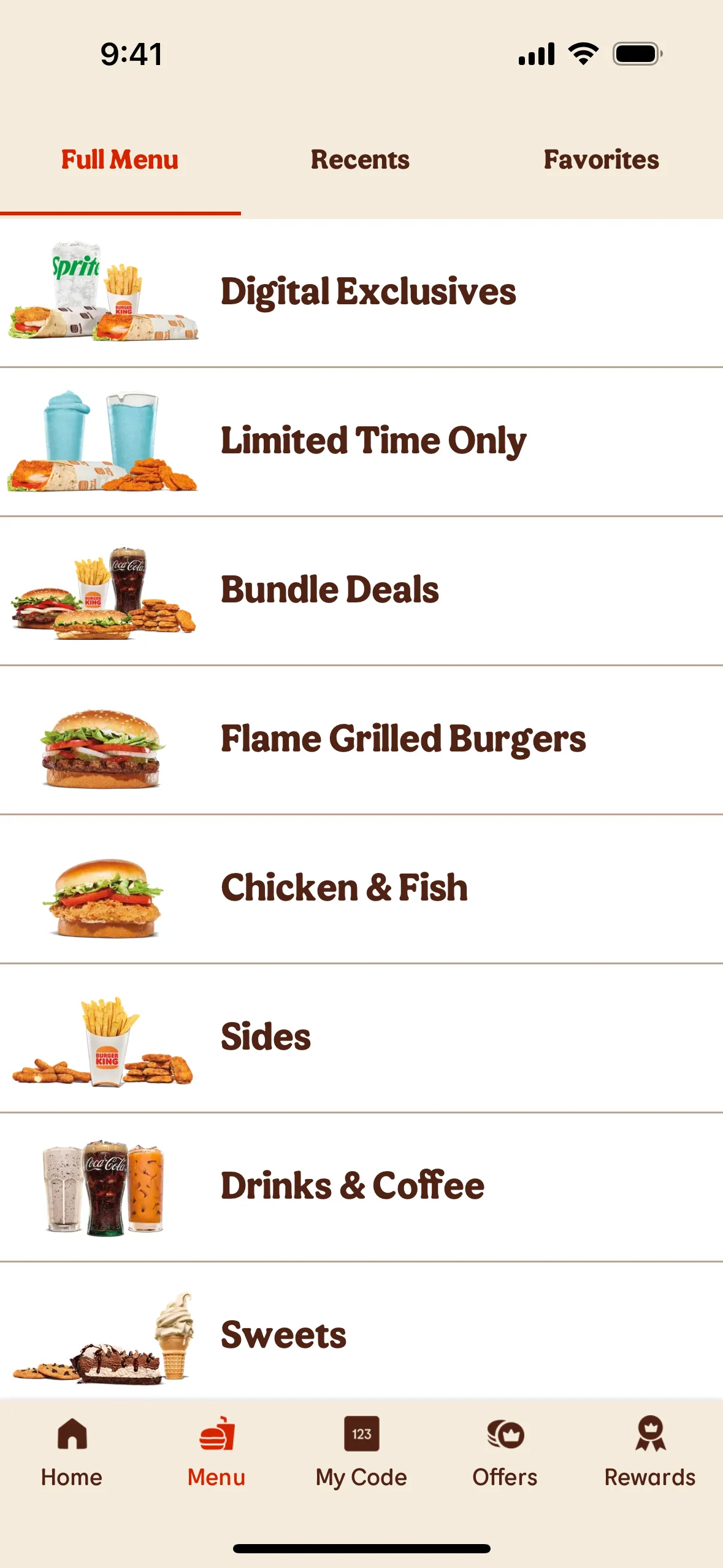
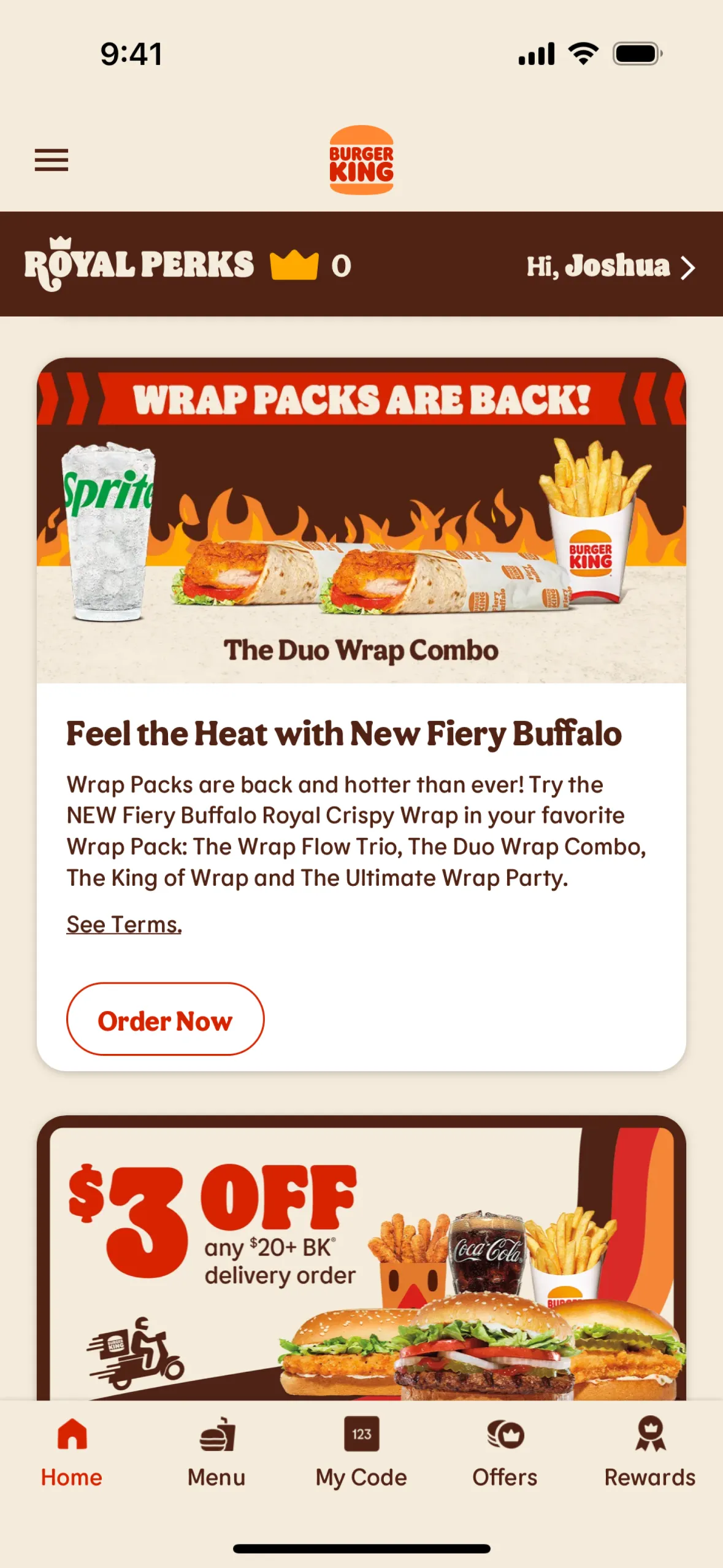
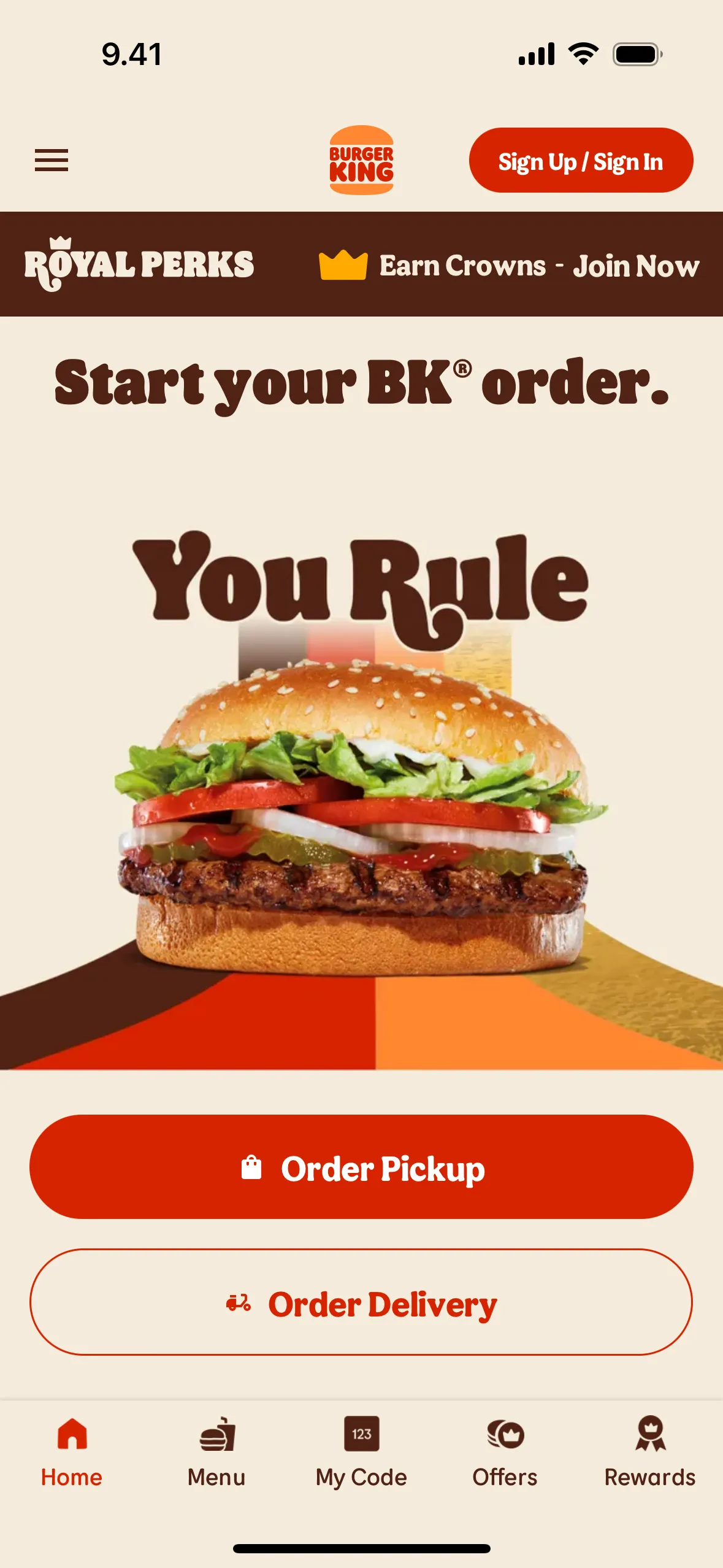
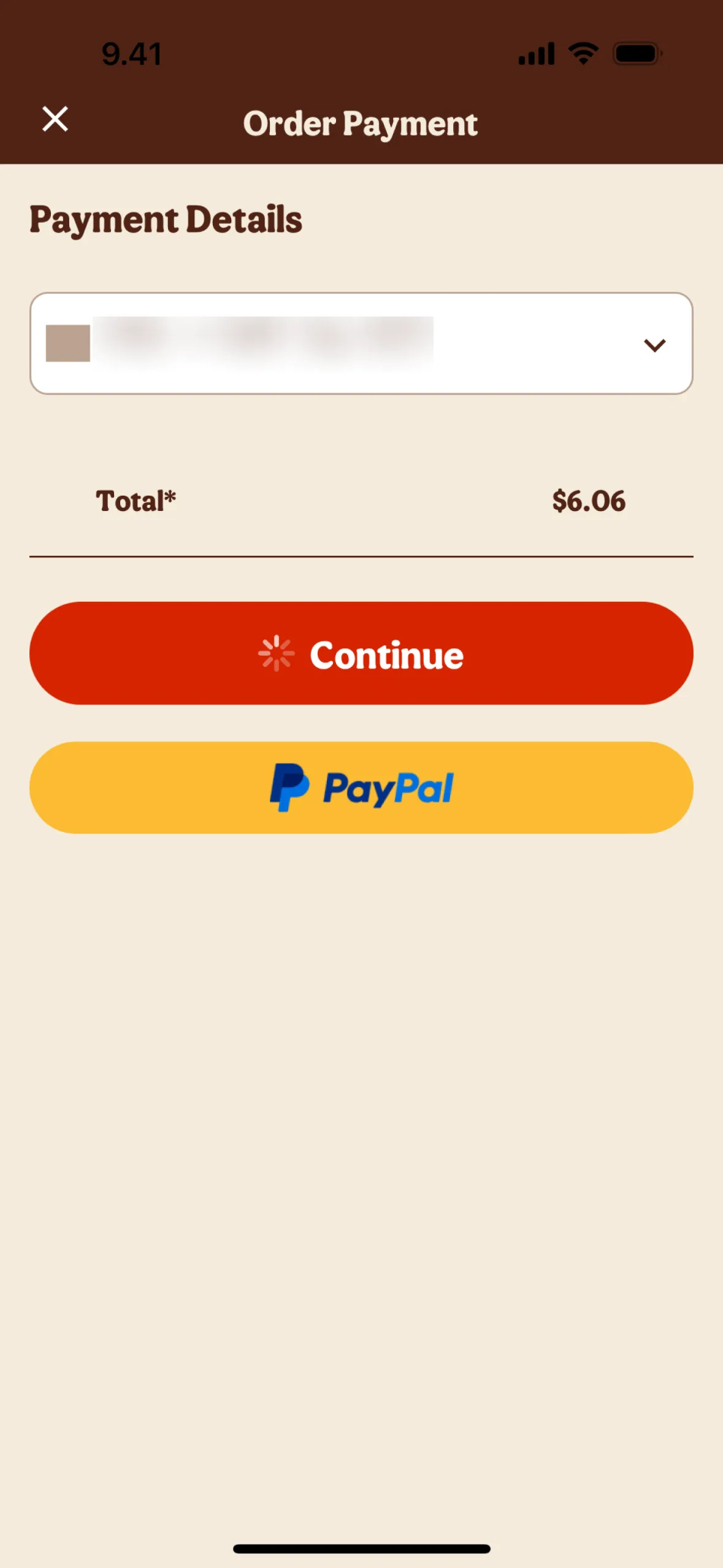
Meet Eggshell (#F0EAD6), a delicate off-white that offers a quiet alternative to stark white. Its subtle warmth and creamy undertones provide a sophisticated foundation for any design palette, bringing a touch of organic softness without overwhelming the visual space.
Eggshell Code Conversions
HEX
#F0EAD6
LAB
93, -1, 10
RGB
240, 234, 214
XYZ
77.5, 82.2, 75.4
HSL
46°, 46%, 89%
LCH
93, 11, 97°
HSB
46°, 11%, 94%
LUV
93, 5, 16
HWB
46°, 84%, 6%
Eggshell Color Harmonies
Analogous
Analogous colors sit next to each other on the color wheel. When used with Eggshell, they result in a visually cohesive and calming design.
Complementary
Colors opposite on the color wheel are complementary. When paired with Eggshell, its complement creates a vibrant, high-contrast look for your designs.
Split Complementary
A split complementary palette for Eggshell uses the two colors adjacent to its direct complement, creating a vibrant yet balanced color harmony.
Triadic
A triadic color scheme uses three colors equidistant on the color wheel. With Eggshell as a base, this creates a vibrant, high-contrast palette.
Tetradic
Tetradic schemes use two pairs of complementary colors. These palettes build on Eggshell with three other hues, forming a rectangle on the color wheel.
Square
A square color scheme pairs Eggshell with three other evenly spaced colors on the color wheel, creating a vibrant and high-contrast palette.
Eggshell Contrast Simulation
Eggshell Color Variations
Shades
Shades are created by adding black to Eggshell, producing darker tones for added depth.
Tints
Tints of Eggshell are created by adding white, resulting in softer, lighter variations.
Tones
Tones of Eggshell are created by adding gray, which softens the color’s saturation.
Hues
Hues are variations of Eggshell, differing in intensity or temperature to create distinct moods.
What Interfaces Use Colors Like Eggshell?