Dodger Blue
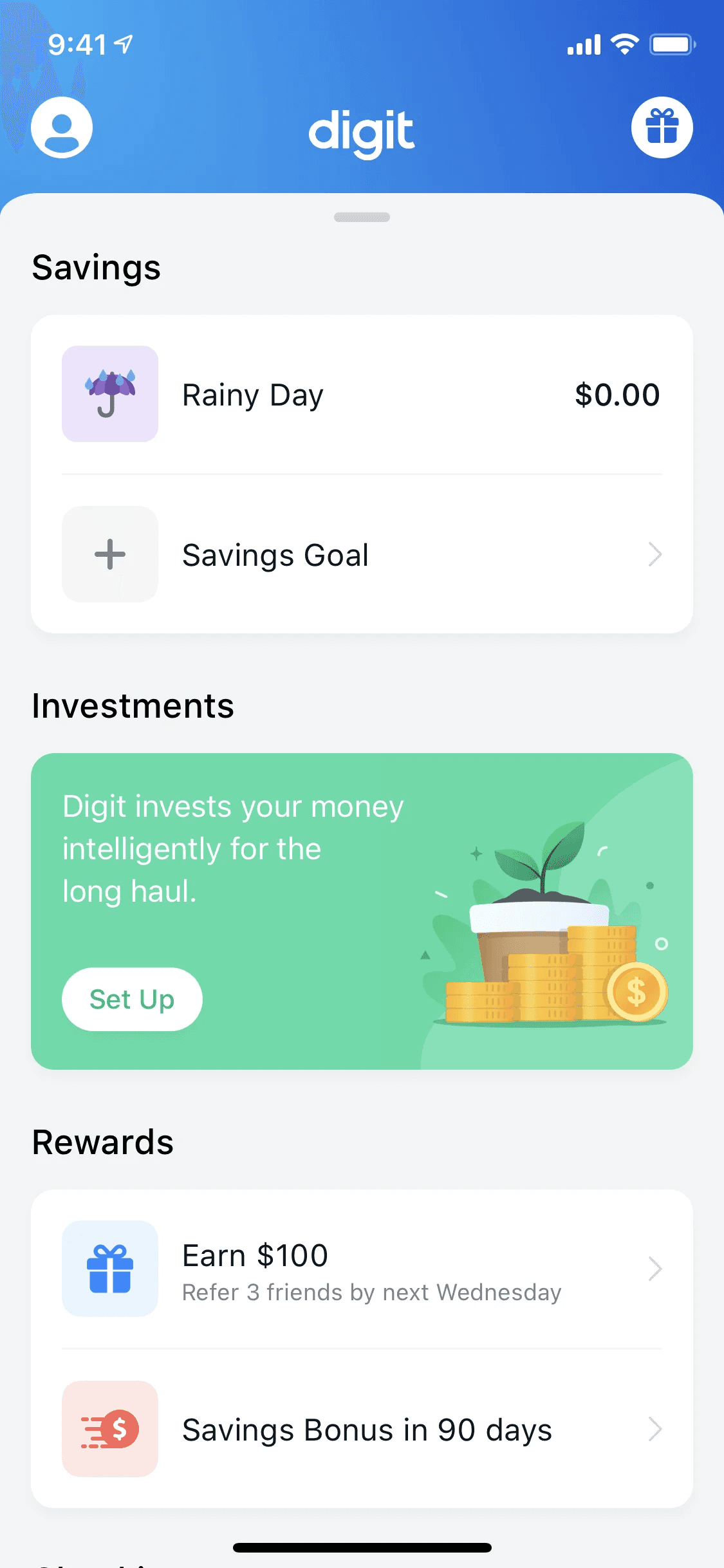
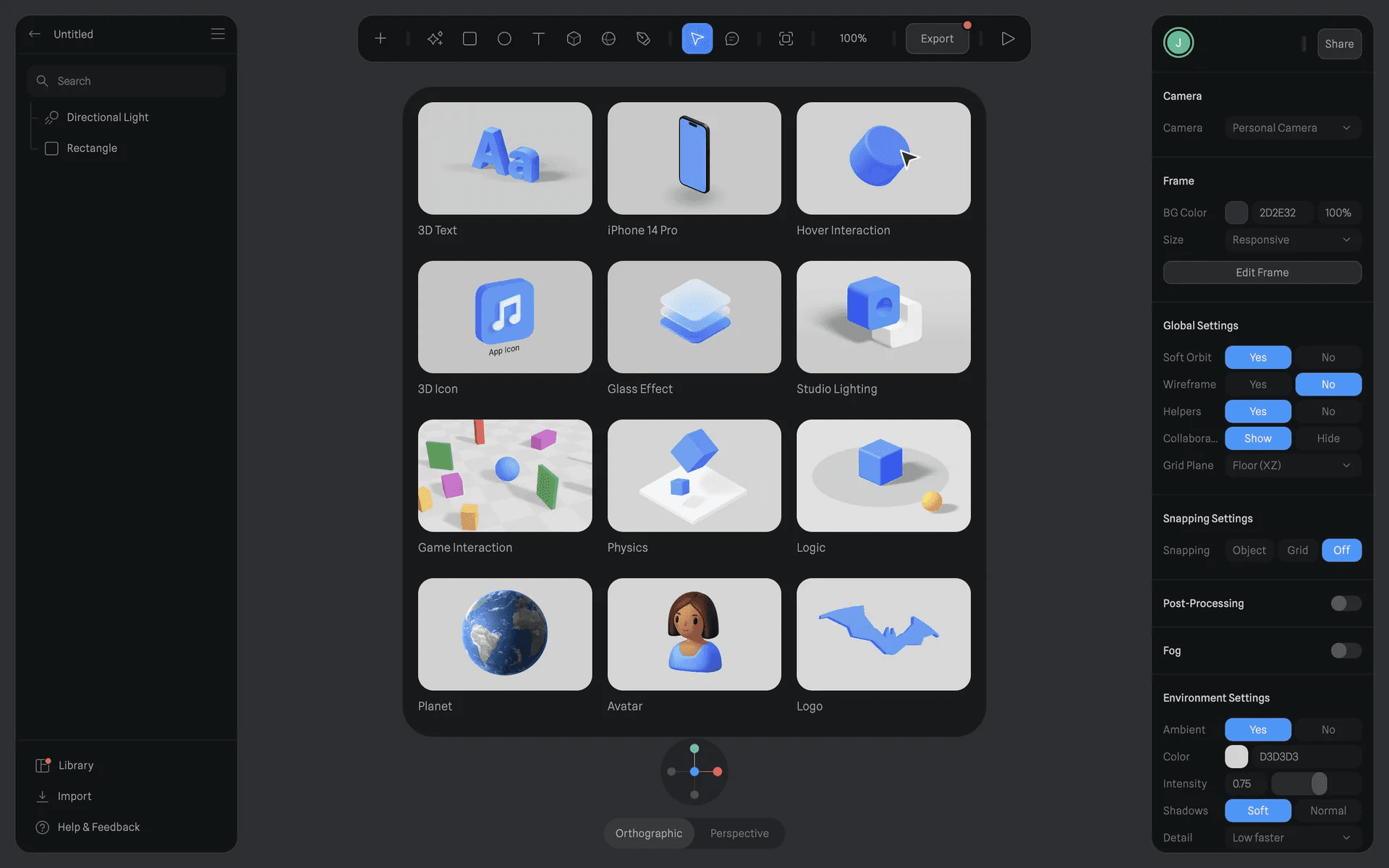
Meet Dodger Blue (#1E90FF), a remarkably bright and saturated shade that commands attention. Its pure, electric quality gives it a distinct presence, making it a standout choice for interfaces that need a clear, energetic accent.
Dodger Blue Code Conversions
HEX
#1E90FF
LAB
59, 10, -63
RGB
30, 144, 255
XYZ
28.6, 27.4, 98.4
HSL
210°, 100%, 56%
LCH
59, 64, 279°
HSB
210°, 88%, 100%
LUV
59, -33, -102
HWB
210°, 12%, 0%
Dodger Blue Color Harmonies
Analogous
Analogous colors sit next to Dodger Blue on the color wheel. This grouping produces a visually harmonious and serene palette for your designs.
Complementary
For Dodger Blue, its complementary colors are found directly across the color wheel, creating a striking visual contrast when placed side-by-side.
Split Complementary
A split complementary scheme for Dodger Blue uses the two colors adjacent to its direct complement, offering high contrast with more nuance.
Triadic
A triadic scheme pairs Dodger Blue with two other colors, equally distant on the color wheel, for a bold and balanced effect.
Tetradic
Tetradic schemes pair Dodger Blue with three other colors, forming two complementary pairs in a rectangle on the color wheel for a rich palette.
Square
A square color scheme uses four colors evenly spaced on the color wheel. With Dodger Blue, this creates a high-contrast, yet harmonious, visual effect.
Dodger Blue Contrast Simulation
Dodger Blue Color Variations
Shades
By adding black to Dodger Blue, you create shades that add depth and gravity.
Tints
Adding white to Dodger Blue creates tints, resulting in softer, less saturated variations.
Tones
Tones are created by mixing gray with Dodger Blue, producing softer, more subtle versions.
Hues
Hues are Dodger Blue variations that alter intensity or temperature for different visual effects.
What Interfaces Use Colors Like Dodger Blue?