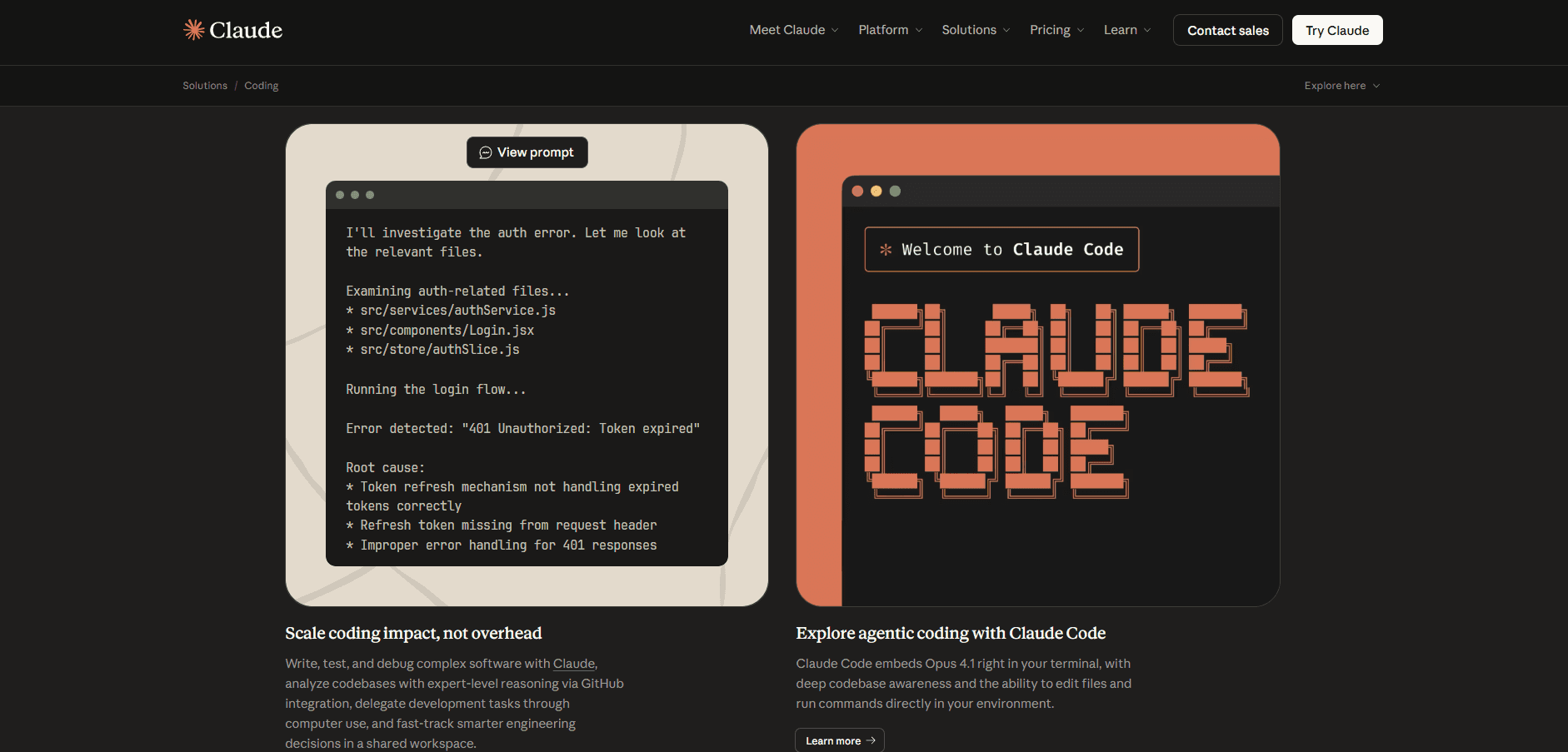
Dark Coral
Meet Dark Coral (#CD5B45), a compelling shade that sits at the intersection of red and orange. Its rich, earthy quality gives it a grounded energy, making it a distinctive choice for any design palette without the starkness of a pure primary color.
Dark Coral Code Conversions
HEX
#CD5B45
LAB
53, 44, 35
RGB
205, 91, 69
XYZ
30.0, 20.9, 8.1
HSL
10°, 58%, 54%
LCH
53, 56, 38°
HSB
10°, 66%, 80%
LUV
53, 88, 30
HWB
10°, 27%, 20%
Dark Coral Color Harmonies
Analogous
Analogous colors are neighbors on the color wheel. For Dark Coral, these adjacent hues create a harmonious and visually pleasing color palette.
Complementary
Complementary colors are opposites on the color wheel, creating a high-contrast pairing. With Dark Coral, this results in a bold and energetic combination.
Split Complementary
Instead of a direct complement, a split complementary scheme uses the two colors on either side, creating a vibrant yet balanced palette for Dark Coral.
Triadic
A triadic scheme involves three colors evenly spaced on the color wheel. Using Dark Coral as a base creates a vibrant, high-contrast palette.
Tetradic
Tetradic palettes pair Dark Coral with three other hues, forming two complementary pairs for a vibrant and versatile combination.
Square
A square scheme features four colors evenly spaced around the color wheel. This method builds a rich, high-contrast palette starting from a base like Dark Coral.
Dark Coral Contrast Simulation
Dark Coral Color Variations
Shades
Shades of Dark Coral are created by adding black, giving the color more depth and weight.
Tints
Tints are created by adding white to Dark Coral, resulting in lighter, softer variations.
Tones
Tones of Dark Coral are created by adding gray, resulting in softer, more subdued variations.
Hues
Hues are variations of Dark Coral that differ in intensity or temperature, affecting mood.
What Interfaces Use Colors Like Dark Coral?