Cracked Pepper
Meet Cracked Pepper (#4F5152), a soft black that offers a sophisticated alternative to true black. This near-black charcoal provides a solid foundation for palettes, bringing a grounded yet gentle quality to any interface without the usual harshness of pure black.
Cracked Pepper Code Conversions
HEX
#4F5152
LAB
34, -1, -1
RGB
79, 81, 82
XYZ
7.7, 8.2, 9.2
HSL
200°, 2%, 32%
LCH
34, 1, 236°
HSB
200°, 4%, 32%
LUV
34, -1, -1
HWB
200°, 31%, 68%
Cracked Pepper Color Harmonies
Analogous
Analogous colors are neighbors on the color wheel. Paired with Cracked Pepper, they create a harmonious and visually soothing palette for any design.
Complementary
Complementary colors are opposites on the color wheel. When paired with Cracked Pepper, they create a striking, high-contrast visual effect.
Split Complementary
A split complementary scheme for Cracked Pepper uses the two colors adjacent to its direct complement, offering high contrast with more nuance.
Triadic
A triadic scheme pairs Cracked Pepper with two other hues, equally spaced on the color wheel, for a vibrant, high-contrast combination.
Tetradic
Formed by two complementary color pairs, a tetradic scheme creates a rich, balanced palette. See how Cracked Pepper anchors these rectangular combinations.
Square
A square color scheme features four hues equidistant on the color wheel. This arrangement offers a rich, high-contrast palette built around Cracked Pepper.
Cracked Pepper Contrast Simulation
Cracked Pepper Color Variations
Shades
Shades of Cracked Pepper are darker versions made by adding black, creating depth and weight.
Tints
Tints are lighter versions of Cracked Pepper, created by adding white for a softer, gentler appearance.
Tones
Tones of Cracked Pepper are created by adding gray, which softens the color's saturation.
Hues
Hues are variations of Cracked Pepper, sharing its base but differing in intensity and temperature.
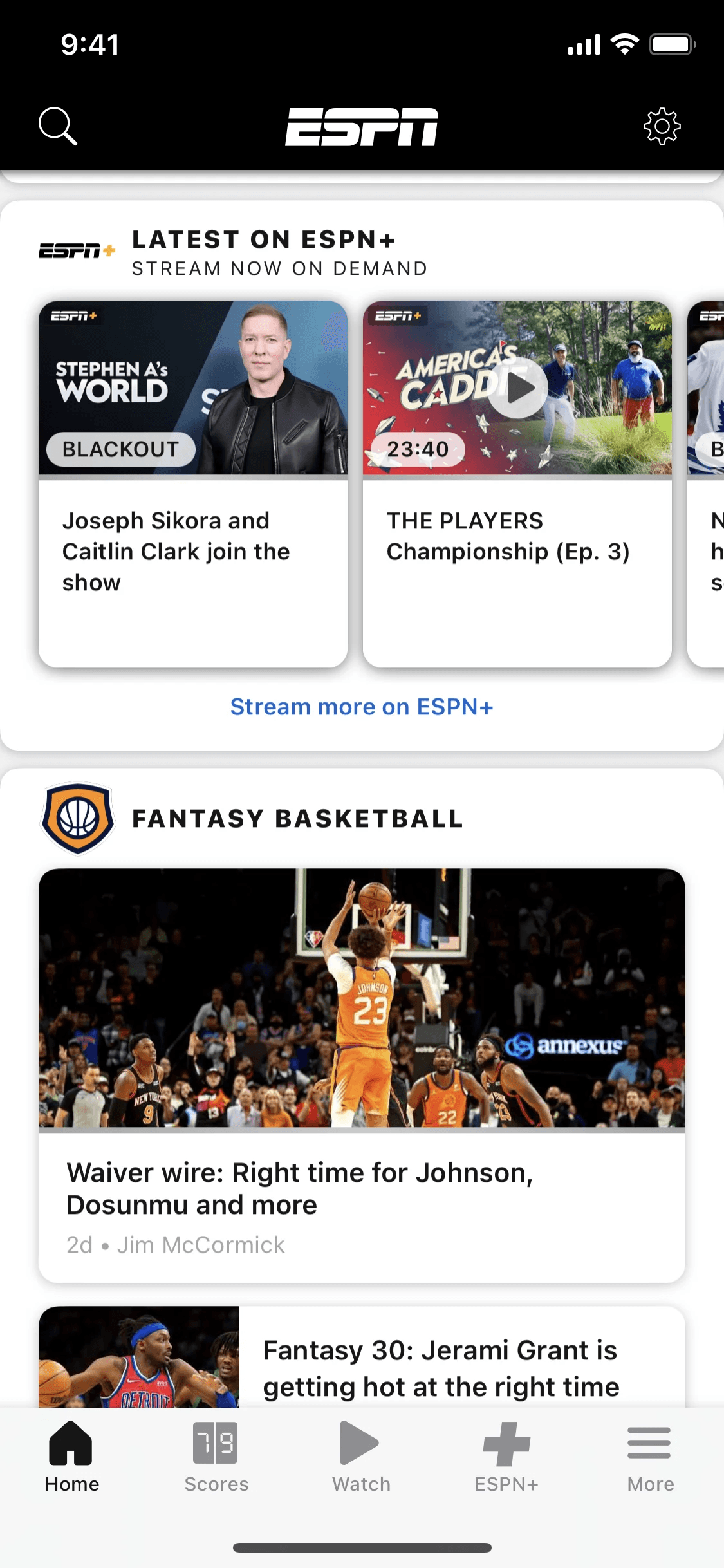
What Interfaces Use Colors Like Cracked Pepper?