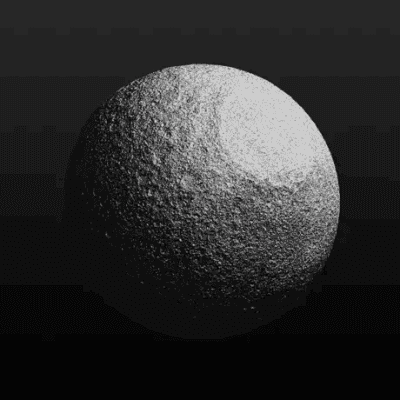
Charcoal Shadow
Meet Charcoal Shadow (#575B5B), a deep, muted gray that offers a sophisticated alternative to pure black. Its balanced neutrality provides a solid, grounding presence, making it a versatile and compelling choice for modern interface design.
Charcoal Shadow Code Conversions
HEX
#575B5B
LAB
38, -2, -1
RGB
87, 91, 91
XYZ
9.6, 10.3, 11.4
HSL
180°, 2%, 35%
LCH
38, 2, 199°
HSB
180°, 4%, 36%
LUV
38, -2, 0
HWB
180°, 34%, 64%
Charcoal Shadow Color Harmonies
Analogous
Analogous schemes use colors adjacent to Charcoal Shadow on the color wheel, creating a harmonious palette that feels cohesive and naturally balanced.
Complementary
Complementary colors sit opposite each other on the color wheel. For Charcoal Shadow, these pairings create a striking, high-contrast visual effect.
Split Complementary
A split complementary scheme pairs Charcoal Shadow with the two colors neighboring its opposite on the color wheel, creating a sophisticated, high-contrast look.
Triadic
A triadic harmony is built from three hues equidistant on the color wheel. This approach gives Charcoal Shadow a bold, yet harmonious, contrast.
Tetradic
Tetradic schemes create a rich, balanced palette by pairing Charcoal Shadow with three other colors, forming two complementary sets on the color wheel.
Square
Built from Charcoal Shadow, a square color scheme features four hues equally spaced on the color wheel, delivering a balanced yet highly contrasting effect.
Charcoal Shadow Contrast Simulation
Charcoal Shadow Color Variations
Shades
Shades are darker versions of Charcoal Shadow, created by adding black for depth and weight.
Tints
Tints of Charcoal Shadow are created by adding white, resulting in lighter, softer tones.
Tones
Adding gray to Charcoal Shadow creates its tones, producing softer, more subdued versions of the color.
Hues
Hues are variations of Charcoal Shadow that alter its intensity or temperature for different visual effects.
What Interfaces Use Colors Like Charcoal Shadow?