Burlywood
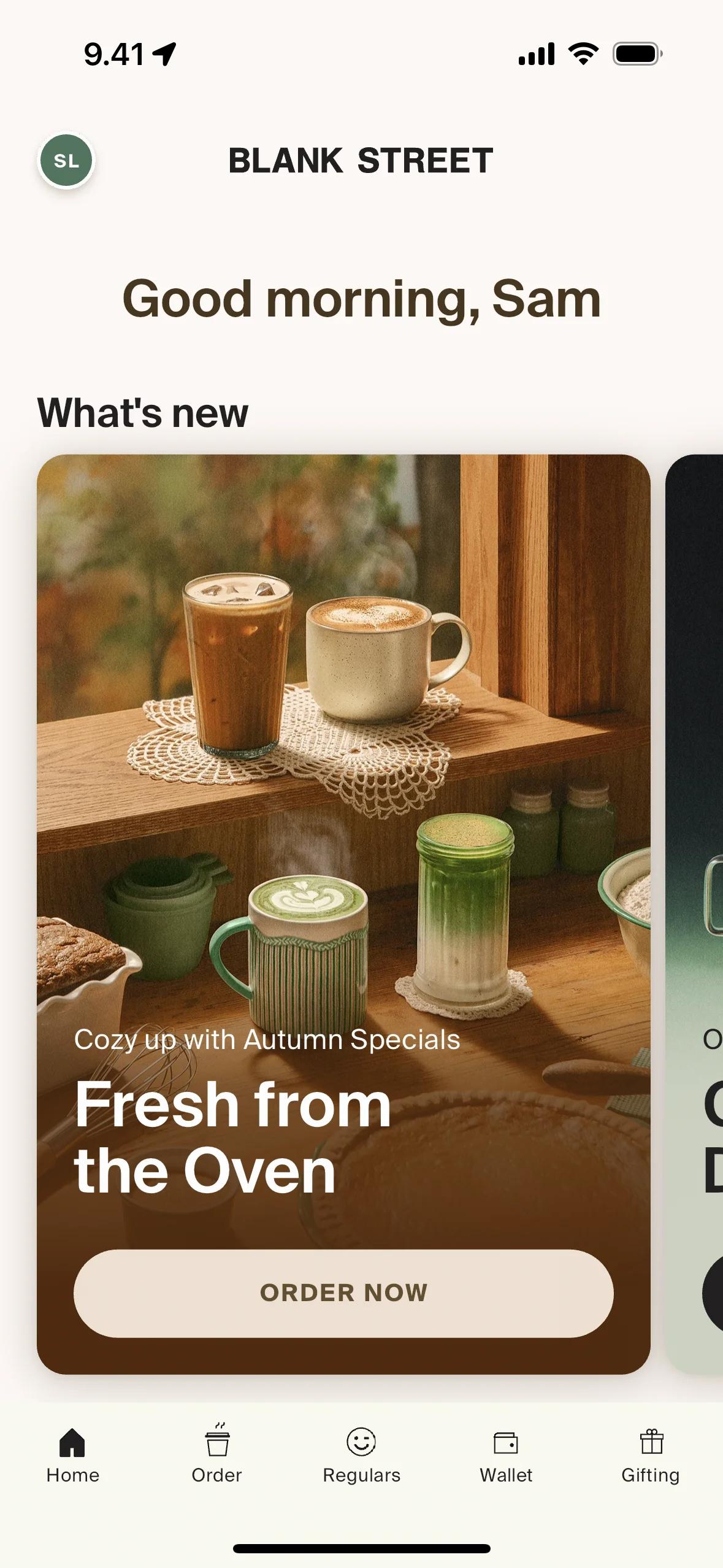
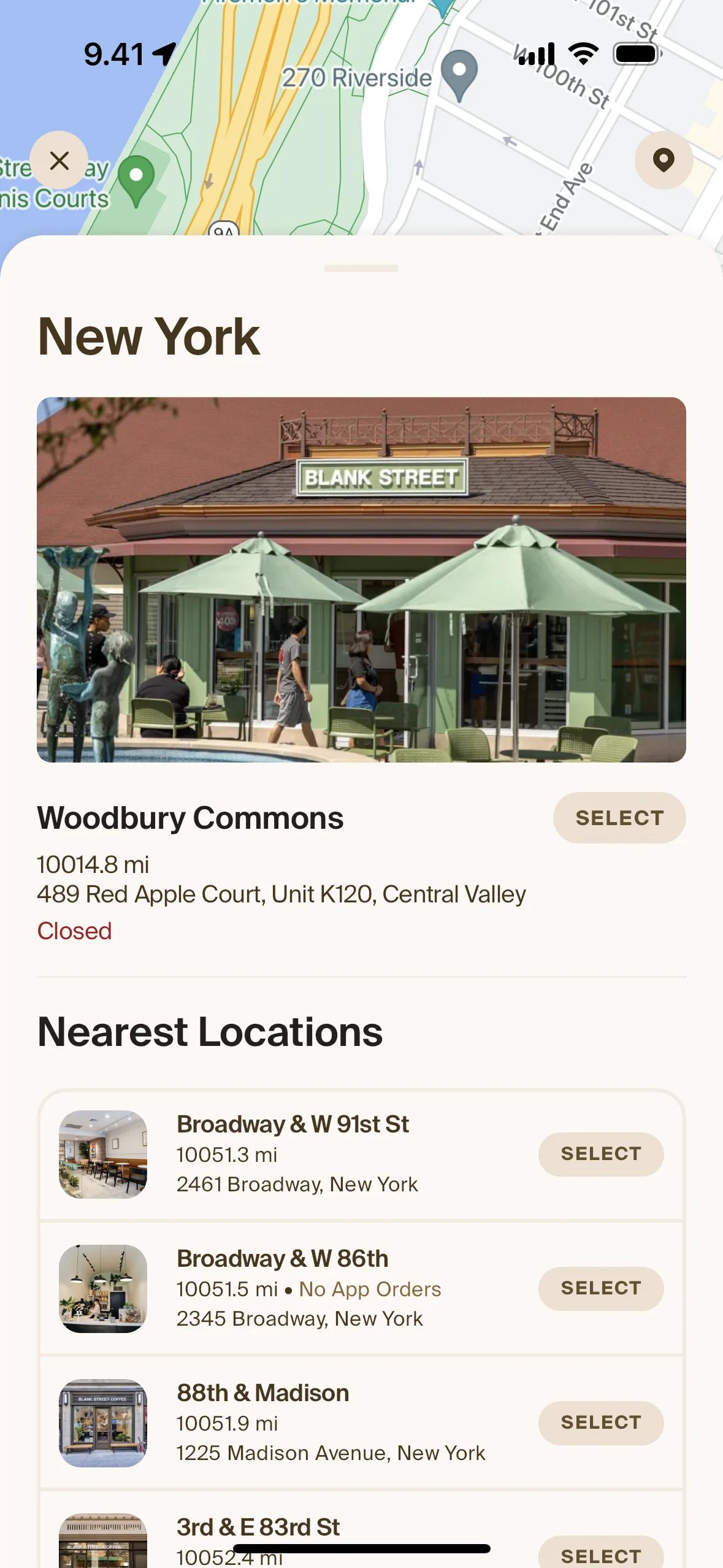
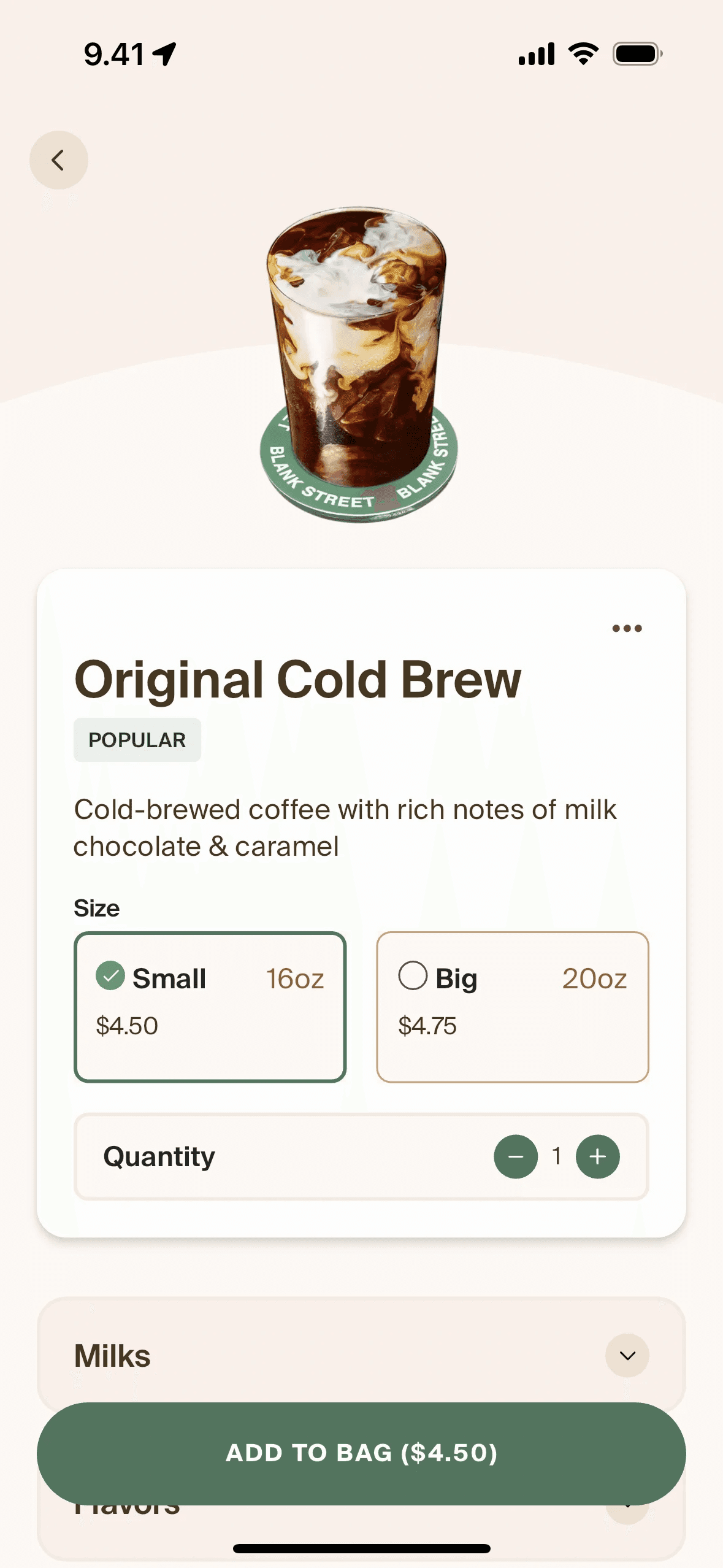
Meet Burlywood (#DEB887), a distinctive sandy-beige with a warm, earthy character. Its muted yet rich quality offers a sophisticated alternative to standard neutrals, providing a solid foundation for interfaces that require a touch of organic warmth without being overpowering.
Burlywood Code Conversions
HEX
#DEB887
LAB
77, 7, 30
RGB
222, 184, 135
XYZ
51.6, 51.6, 30.1
HSL
34°, 57%, 70%
LCH
77, 31, 77°
HSB
34°, 39%, 87%
LUV
77, 28, 39
HWB
34°, 53%, 13%
Burlywood Color Harmonies
Analogous
Analogous colors sit beside Burlywood on the color wheel. Grouping them together results in a cohesive and tranquil visual experience for any interface.
Complementary
Sitting opposite on the color wheel, complementary colors create a striking visual contrast. Paired with Burlywood, these hues produce a bold, energetic effect.
Split Complementary
A split complementary palette for Burlywood uses the two colors adjacent to its direct complement, offering a vibrant, high-contrast look with more nuance.
Triadic
The triadic scheme pairs Burlywood with two additional hues from equidistant points on the color wheel, offering a high-contrast, yet harmonious, visual effect.
Tetradic
A tetradic scheme for Burlywood creates a vibrant palette by pairing two sets of complementary colors in a rectangular formation.
Square
A square color scheme pairs Burlywood with three other colors, all evenly spaced on the color wheel, for a vibrant and balanced high-contrast effect.
Burlywood Contrast Simulation
Burlywood Color Variations
Shades
Shades are darker versions of Burlywood made by adding black for a deeper, weightier feel.
Tints
Tints are lighter variations of Burlywood, made by adding white to soften the hue.
Tones
Adding gray to Burlywood creates tones, resulting in a softer, more muted appearance.
Hues
Hues are variations of Burlywood's base color, differing in intensity or temperature to create distinct moods.
What Interfaces Use Colors Like Burlywood?