Bluebonnet
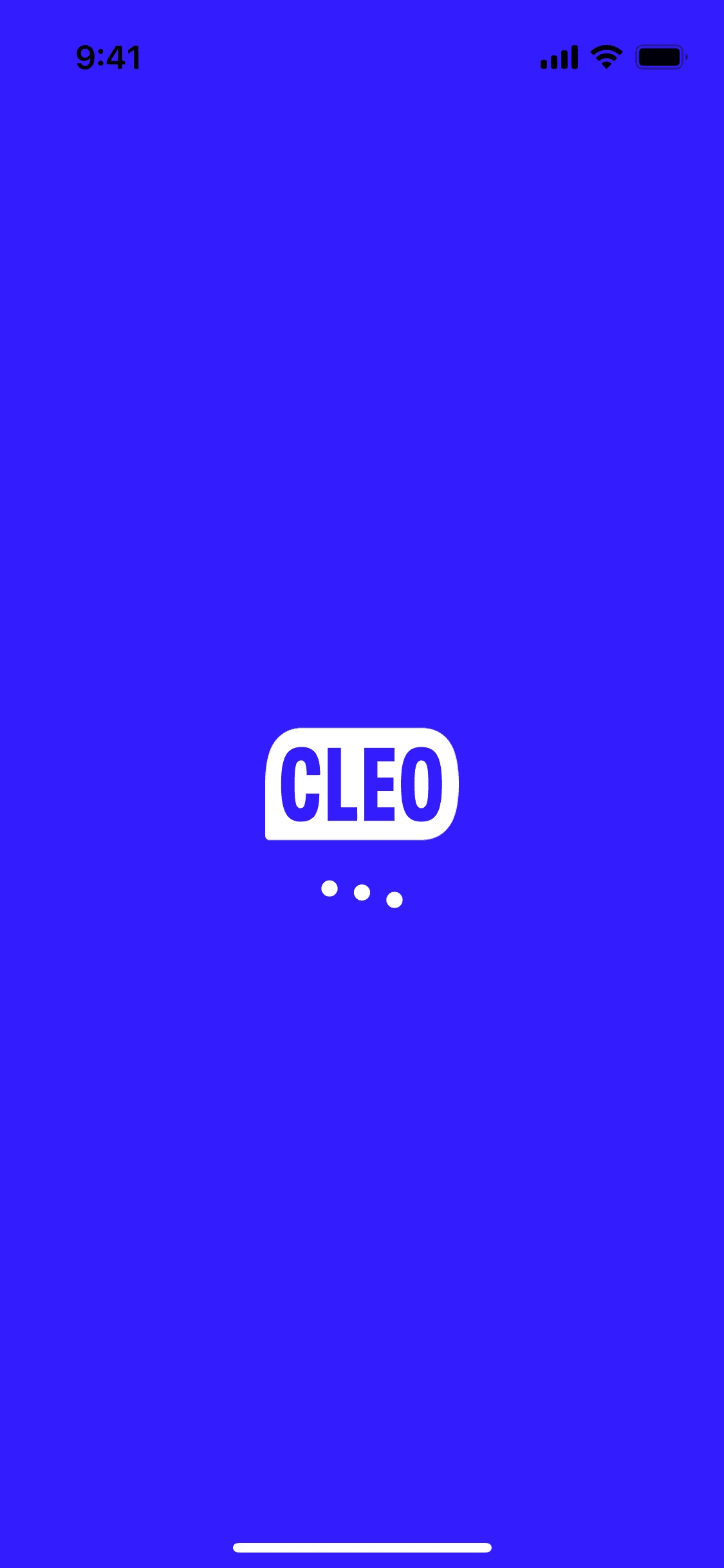
Bluebonnet (#341CFF) is a blue with serious punch. What makes this hue so arresting is its high saturation and pure, almost luminous quality. It’s a color that feels born from the screen, offering designers a shade of blue with distinct clarity and energy.
Bluebonnet Code Conversions
HEX
#341CFF
LAB
36, 75, -102
RGB
52, 28, 255
XYZ
19.9, 8.8, 95.2
HSL
246°, 100%, 55%
LCH
36, 127, 306°
HSB
246°, 89%, 100%
LUV
36, -7, -133
HWB
246°, 11%, 0%
Bluebonnet Color Harmonies
Analogous
Built from colors adjacent on the color wheel, Bluebonnet's analogous palette offers a balanced and tranquil visual experience perfect for unified designs.
Complementary
Complementary colors sit directly opposite each other on the color wheel. Pairing Bluebonnet with its complement creates a high-contrast, visually striking combination.
Split Complementary
Split complementary schemes for Bluebonnet (#341CFF) use the two colors adjacent to its direct complement, offering a vibrant yet balanced high-contrast palette.
Triadic
Triadic palettes are built from three colors situated at equal distances on the color wheel, producing a vibrant and balanced combination with strong contrast.
Tetradic
A tetradic scheme uses four colors that form a rectangle on the color wheel, giving Bluebonnet two pairs of complementary, dynamic partners.
Square
Square color schemes pair four colors evenly spaced on the color wheel. Starting with Bluebonnet, this method yields a palette with strong, balanced contrast.
Bluebonnet Contrast Simulation
Bluebonnet Color Variations
Shades
Shades are darker versions of Bluebonnet, created by adding black for more depth and weight.
Tints
Tints are lighter versions of Bluebonnet, achieved by adding white to soften the hue.
Tones
Tones are muted versions of Bluebonnet, created by adding gray to soften the color’s saturation.
Hues
Hues are variations of Bluebonnet (#341CFF) that differ in intensity, creating distinct visual effects.
What Interfaces Use Colors Like Bluebonnet?