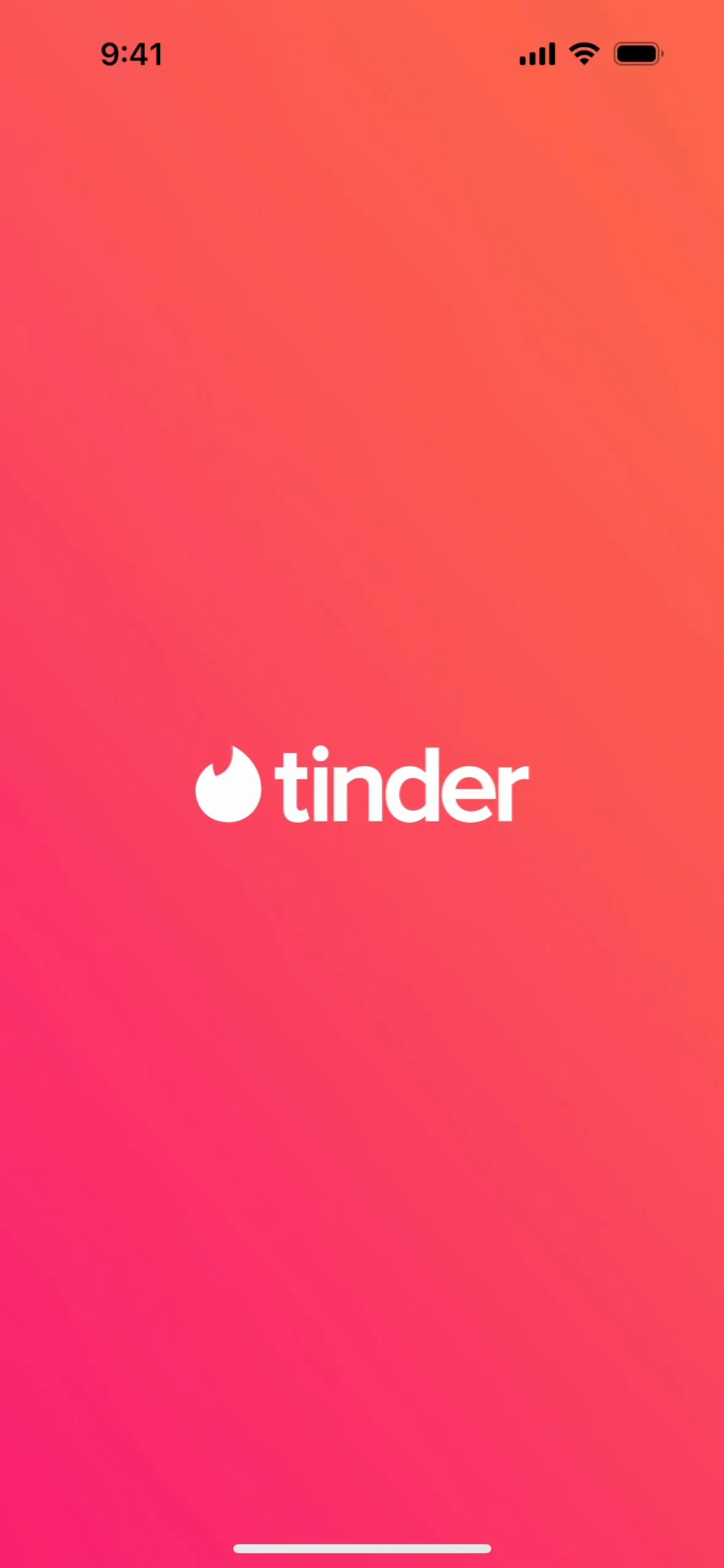
Bittersweet
Meet Bittersweet (#FE6F5E), a vibrant coral-red that immediately draws the eye. Its striking quality lies in a potent balance of energetic orange and warm red. This fusion produces a hue with a distinct visual punch, stopping short of neon yet full of life.
Bittersweet Code Conversions
HEX
#FE6F5E
LAB
64, 53, 37
RGB
254, 111, 94
XYZ
48.6, 33.3, 14.4
HSL
6°, 99%, 68%
LCH
64, 65, 34°
HSB
6°, 63%, 100%
LUV
64, 110, 32
HWB
6°, 37%, 0%
Bittersweet Color Harmonies
Analogous
Built around Bittersweet, analogous colors are neighbors on the color wheel. They work together to produce a serene and cohesive visual experience for users.
Complementary
Complementary colors sit opposite each other on the color wheel. Paired with Bittersweet, they create a striking visual effect with high contrast.
Split Complementary
A split complementary scheme for Bittersweet uses the two colors adjacent to its direct complement, creating a vibrant yet balanced color harmony.
Triadic
A triadic scheme uses three colors equidistant on the color wheel. Starting with Bittersweet produces a balanced yet bold palette with strong visual contrast.
Tetradic
A tetradic scheme forms a rich palette with two pairs of complementary colors. See how Bittersweet anchors these balanced, four-color combinations.
Square
A square color scheme uses four colors equidistant on the color wheel. With Bittersweet as the base, this creates a lively, high-contrast palette.
Bittersweet Contrast Simulation
Bittersweet Color Variations
Shades
Shades are created by mixing black with Bittersweet, resulting in a deeper, weightier color.
Tints
Tints are created by adding white to Bittersweet, resulting in softer, lighter values.
Tones
Tones of Bittersweet are created by adding gray, resulting in softer, less saturated variations.
Hues
Hues are variations of Bittersweet, creating different effects by altering the color's intensity or temperature.
What Interfaces Use Colors Like Bittersweet?