African Ivory
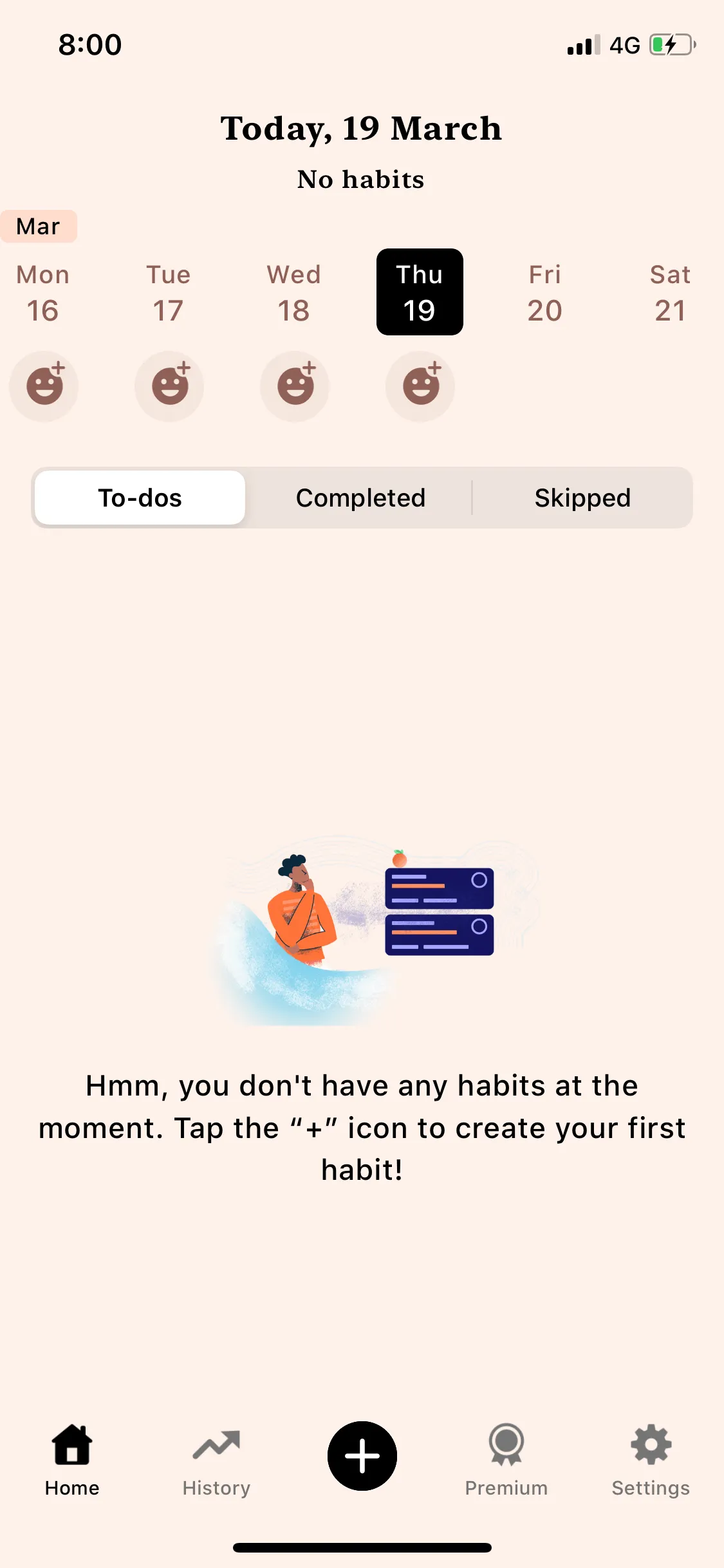
Meet African Ivory (#F6E9DA), a soft, warm off-white with a subtle peachy undertone. Its delicate balance between neutral and warm gives it a unique character, making it a sophisticated choice for creating airy and inviting digital interfaces. It's a color that feels both familiar and fresh.
African Ivory Code Conversions
HEX
#F6E9DA
LAB
93, 2, 9
RGB
246, 233, 218
XYZ
79.8, 82.9, 78.1
HSL
32°, 61%, 91%
LCH
93, 9, 78°
HSB
32°, 11%, 96%
LUV
93, 8, 13
HWB
32°, 85%, 4%
African Ivory Color Harmonies
Analogous
Analogous colors are neighbors on the color wheel. For African Ivory, these adjacent hues create a harmonious and tranquil visual experience for any design.
Complementary
Complementary colors sit opposite each other on the color wheel. For African Ivory, this creates a pairing that offers maximum visual contrast and energy.
Split Complementary
For a more nuanced high-contrast palette, a split complementary scheme pairs African Ivory with the two colors adjacent to its direct complement.
Triadic
A triadic combination pairs African Ivory with two other colors, each equidistant on the color wheel, resulting in a bold and balanced visual effect.
Tetradic
Tetradic schemes pair African Ivory (#F6E9DA) with three other colors, creating a rich, four-color palette based on two complementary pairs.
Square
A square color scheme pairs four equidistant colors on the color wheel. For African Ivory, this results in a balanced yet highly contrasting combination.
African Ivory Contrast Simulation
African Ivory Color Variations
Shades
Shades of African Ivory are created by adding black, giving the color more depth and weight.
Tints
Tints of African Ivory are created by adding white, resulting in softer, lighter variations.
Tones
Tones of African Ivory are created by adding gray, which softens the color’s saturation.
Hues
Hues are variations of African Ivory, differing in intensity or temperature to create distinct moods.
What Interfaces Use Colors Like African Ivory?