
The New York Times Colors
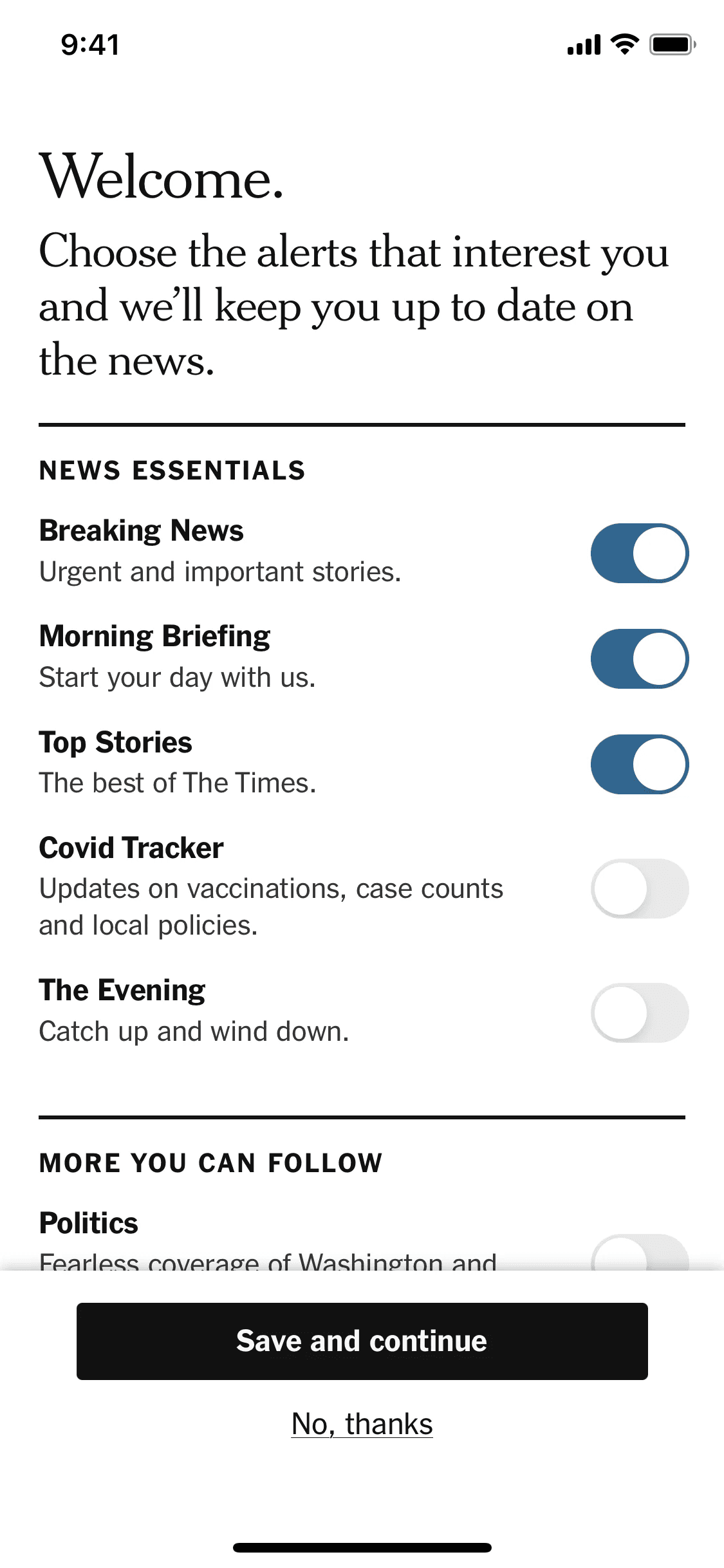
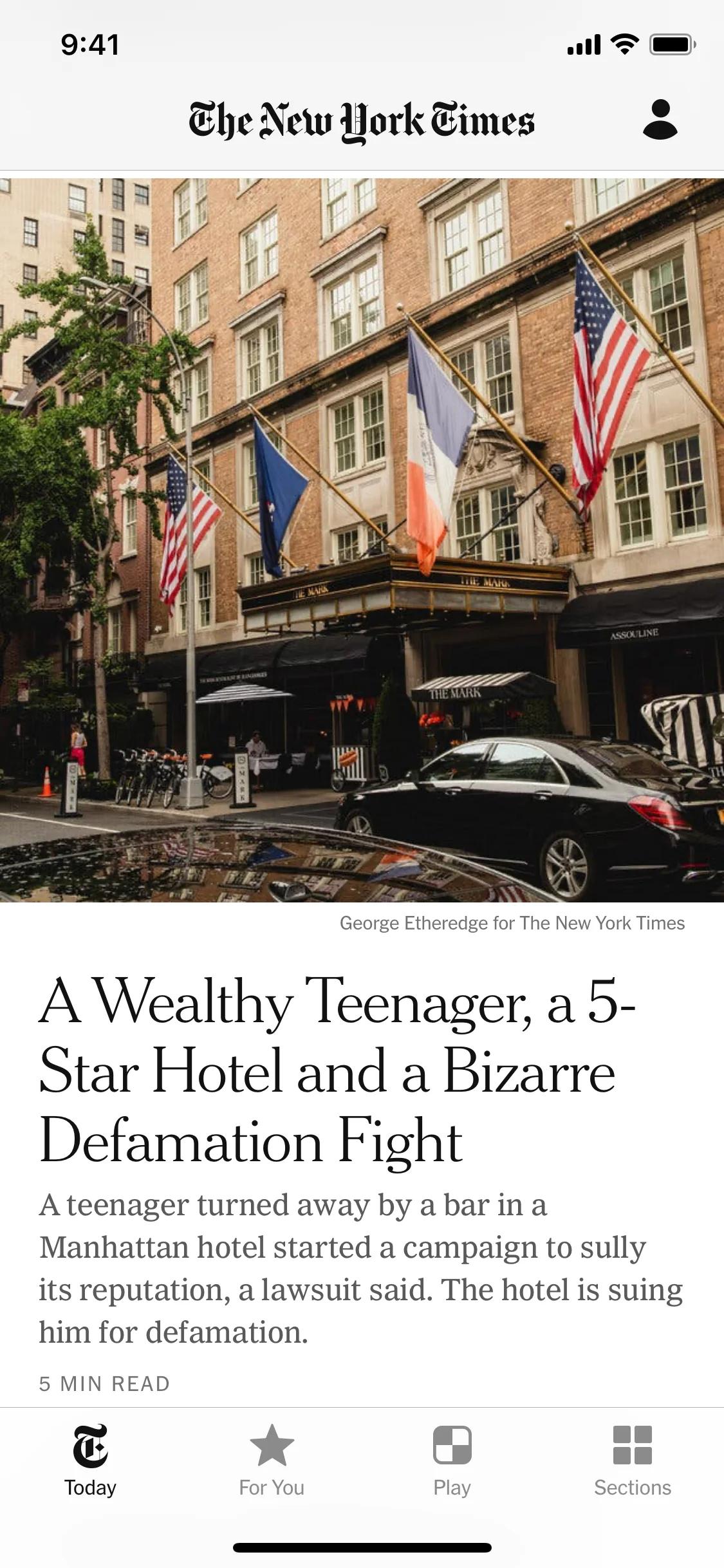
The New York Times Company is a global media organization behind the renowned news app. Its branding and interface designs primarily feature a classic palette of black, white, and saffron. You can easily copy these colors in Hex, CMYK, RGB, and other popular formats on this page.
What are the main colors in The New York Times's color palette?
You'll find The New York Times's core palette is built on a classic foundation of Black (#000000) and White (#FFFFFF), accented with a bold Saffron (#F6CB2F) to draw attention.
What do the colors in The New York Times's app or website represent?
In The New York Times's palette, the dominant black establishes a sense of authority and journalistic integrity, building a foundation of trust with you. This classic base is punctuated by crisp white for readability and a bold saffron accent, which we see used to draw your eye and inject a modern urgency.
How did The New York Times's color scheme come about?
Rooted in its 'Gray Lady' legacy, The New York Times's palette is a direct reflection of print journalism—a classic choice that has long communicated authority and credibility.
How does The New York Times use color psychology in its interface designs?
The New York Times masterfully uses its classic black and white to convey authority and enhance readability, while a sparing use of saffron guides your eye to key actions, creating an experience that feels both trustworthy and intuitive.
What are some other colors that complement The New York Times's primary color?
To build on their strong foundation, we suggest exploring deep burgundies for a touch of sophisticated urgency or muted, earthy greens to create a sense of trust and calm for your readers.
What other brands and colors can I find on Mobbin?
On our brand colors page, you can explore curated palettes from top companies and dive into thousands of other UI designs across our platform for endless inspiration on new color combinations from real-world examples.
How can Mobbin help me stay up-to-date with the latest UI/UX trends?
Mobbin keeps you at the forefront of design with our extensive, constantly updated collection of mobile and web patterns, showcasing the latest trends from color usage to user flows. By exploring current practices on our platform, you can easily stay ahead of the curve in the industry.
Try Mobbin today for free for as long as you like, or get full access with any of our paid plans.
HEX
RGB
CMYK
HSB
HSL
#000000
0, 0, 0
0, 0, 0, 100
0°, 0%, 0%
0°, 0%, 0%
#ffffff
255, 255, 255
0, 0, 0, 0
0°, 0%, 100%
0°, 0%, 100%
#f6cb2f
246, 203, 47
0, 17, 81, 4
47°, 81%, 96%
47°, 92%, 57%
Access our full UI & UX library today.
What are the main colors in The New York Times's color palette?
You'll find The New York Times's core palette is built on a classic foundation of Black (#000000) and White (#FFFFFF), accented with a bold Saffron (#F6CB2F) to draw attention.
What do the colors in The New York Times's app or website represent?
In The New York Times's palette, the dominant black establishes a sense of authority and journalistic integrity, building a foundation of trust with you. This classic base is punctuated by crisp white for readability and a bold saffron accent, which we see used to draw your eye and inject a modern urgency.
How did The New York Times's color scheme come about?
Rooted in its 'Gray Lady' legacy, The New York Times's palette is a direct reflection of print journalism—a classic choice that has long communicated authority and credibility.
How does The New York Times use color psychology in its interface designs?
The New York Times masterfully uses its classic black and white to convey authority and enhance readability, while a sparing use of saffron guides your eye to key actions, creating an experience that feels both trustworthy and intuitive.
What are some other colors that complement The New York Times's primary color?
To build on their strong foundation, we suggest exploring deep burgundies for a touch of sophisticated urgency or muted, earthy greens to create a sense of trust and calm for your readers.
What other brands and colors can I find on Mobbin?
On our brand colors page, you can explore curated palettes from top companies and dive into thousands of other UI designs across our platform for endless inspiration on new color combinations from real-world examples.
How can Mobbin help me stay up-to-date with the latest UI/UX trends?
Mobbin keeps you at the forefront of design with our extensive, constantly updated collection of mobile and web patterns, showcasing the latest trends from color usage to user flows. By exploring current practices on our platform, you can easily stay ahead of the curve in the industry.
Try Mobbin today for free for as long as you like, or get full access with any of our paid plans.
From palette to product


Trending brand colors
Badoo
Date Honestly
Badoo
Date Honestly

Balance
Meditation that adapts to you.
Balance
Meditation that adapts to you.

Basecamp
JUST LET ME DO MY JOB.
Basecamp
JUST LET ME DO MY JOB.

BeReal.
Your daily dose of real life.
BeReal.
Your daily dose of real life.

Bear
Write beautifully.
Bear
Write beautifully.

Behance
Showcase and discover the latest work from top online portfolios by creative professionals across industries.
Behance
Showcase and discover the latest work from top online portfolios by creative professionals across industries.
Never run out of
inspiration again.
Use Mobbin for free as long as you like or get full access
with any of our paid plans.

Coinbase

Wise
Headspace

Airbnb

Uber
Nike

Pinterest
ChatGPT
Shopify
Loom

Creme

Mailchimp

Twitch

Spotify

Apple TV

Shop

Cosmos

Retro
Notion

Dropbox
Never run out of
inspiration again.
Use Mobbin for free as long as you like or get full access
with any of our paid plans.
Coinbase
Wise
Headspace
Airbnb
Uber
Nike
Pinterest
ChatGPT
Shopify
Loom
Creme
Mailchimp
Twitch
Spotify
Apple TV
Shop
Cosmos
Retro
Notion
Dropbox
Never run out of
inspiration again.
Use Mobbin for free as long as you like or get full access with any of our paid plans.
Coinbase
Wise
Headspace
Airbnb
Uber
Nike
Pinterest
ChatGPT
Shopify
Loom
Creme
Mailchimp
Twitch
Spotify
Apple TV
Shop
Cosmos
Retro
Notion
Dropbox
Never run out of
inspiration again.
Use Mobbin for free as long as you like or get full access
with any of our paid plans.
Coinbase
Wise
Headspace
Airbnb
Uber
Nike
Pinterest
ChatGPT
Shopify
Loom
Creme
Mailchimp
Twitch
Spotify
Apple TV
Shop
Cosmos
Retro
Notion
Dropbox